

Women and Girls Make Up Most Confirmed Ebola Cases
Of the 457 laboratory-confirmed Ebola cases recorded in the two countries where demographic information was available, 244 involved women and girls, accounting for more than 53 per cent of all infections.
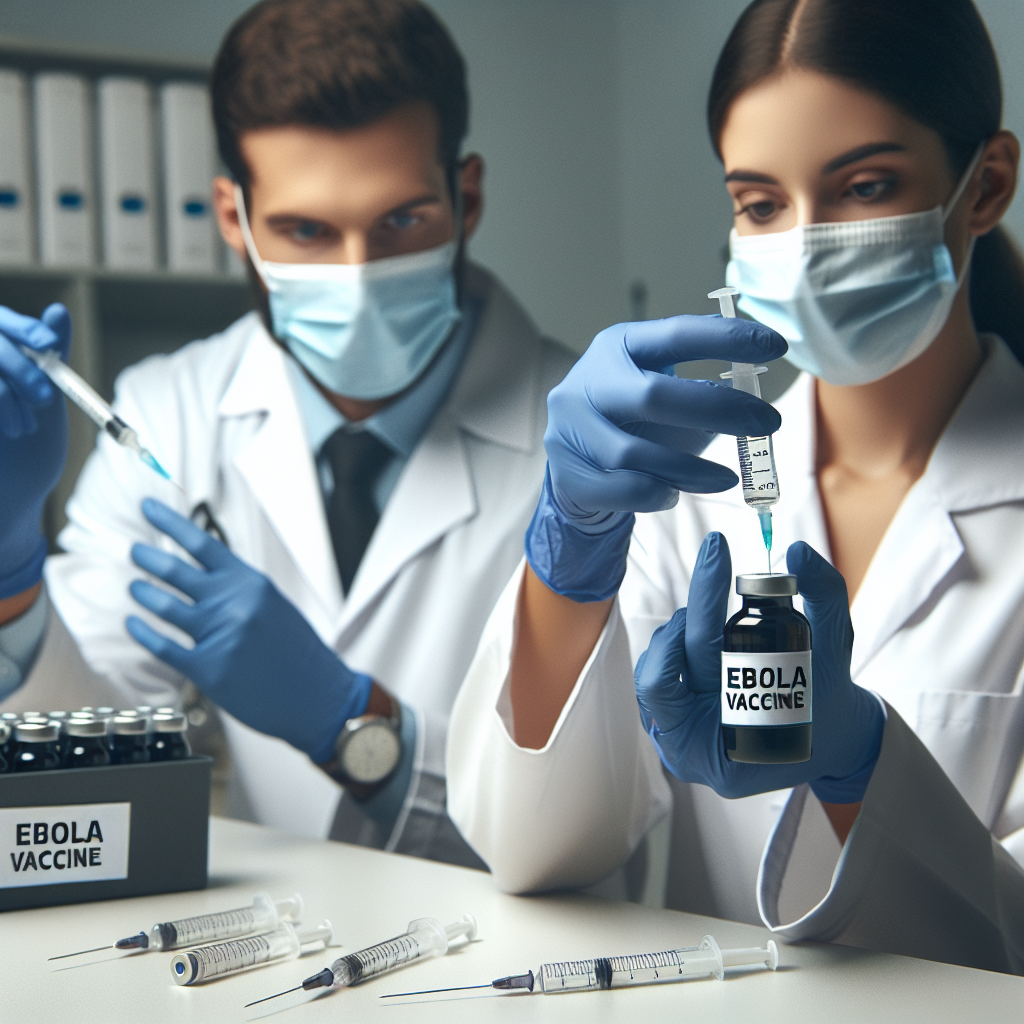
Women and girls are once again among the groups most affected by Ebola outbreaks in the Democratic Republic of the Congo (DRC) and Uganda, according to new data highlighting the gendered impact of the disease.
Of the 457 laboratory-confirmed Ebola cases recorded in the two countries where demographic information was available, 244 involved women and girls, accounting for more than 53 per cent of all infections. The disparity is even more pronounced among adolescents, with girls representing over 61 per cent of confirmed cases in that age group.
Health experts say these figures reflect a pattern seen in previous Ebola outbreaks, where women often face greater exposure to the virus because of their caregiving responsibilities and roles within families and communities.
Social Roles Increase Exposure to Infection
The spread of Ebola is closely linked to daily social and caregiving activities. Women are frequently responsible for caring for sick family members, providing support within households, working in frontline health services and participating in traditional burial practices, all of which can increase the risk of exposure during highly infectious stages of the disease.
Similar trends were recorded during earlier outbreaks. During the 2018–2019 Ebola outbreak in the DRC, women and girls accounted for roughly two-thirds of reported infections. Historical records from the first known Ebola outbreak in the DRC in 1976 also showed women experiencing disproportionately high mortality rates. Public health specialists argue that disease transmission often mirrors existing social realities, making women particularly vulnerable during health emergencies.
Calls for Greater Investment in Women-Led Responses
UN Women is calling for stronger investment in healthcare systems and community-based programmes that directly address the needs and realities of women and girls. The organization says greater access to personal protective equipment, prevention supplies and community education is critical for reducing infection risks. Expanding leadership opportunities for women in health awareness campaigns and prevention efforts is also viewed as an important part of strengthening outbreak responses.
At the same time, UN Women is urging governments and international donors to provide sustained funding for women-led organizations already working on the front lines of affected communities. These groups play a key role in sharing accurate health information, combating misinformation and helping communities understand how to protect themselves.
UN Women is currently working alongside governments, United Nations agencies and local women's organizations in Ebola-affected countries. The agency says ensuring women participate in decision-making processes around prevention, response and recovery is essential to building more effective and inclusive public health strategies. As outbreaks continue to challenge communities in the region, health advocates stress that protecting women and girls is not only a matter of equity but also a critical part of controlling the spread of disease and strengthening community resilience.


 Google News