

UN Agencies Launch New Framework to Track Heat Risks for Pregnant Women and Children
Research cited in the announcement links extreme heat exposure to a 26% increase in the odds of preterm birth, adding to concerns about how rising temperatures affect health before a child is born.
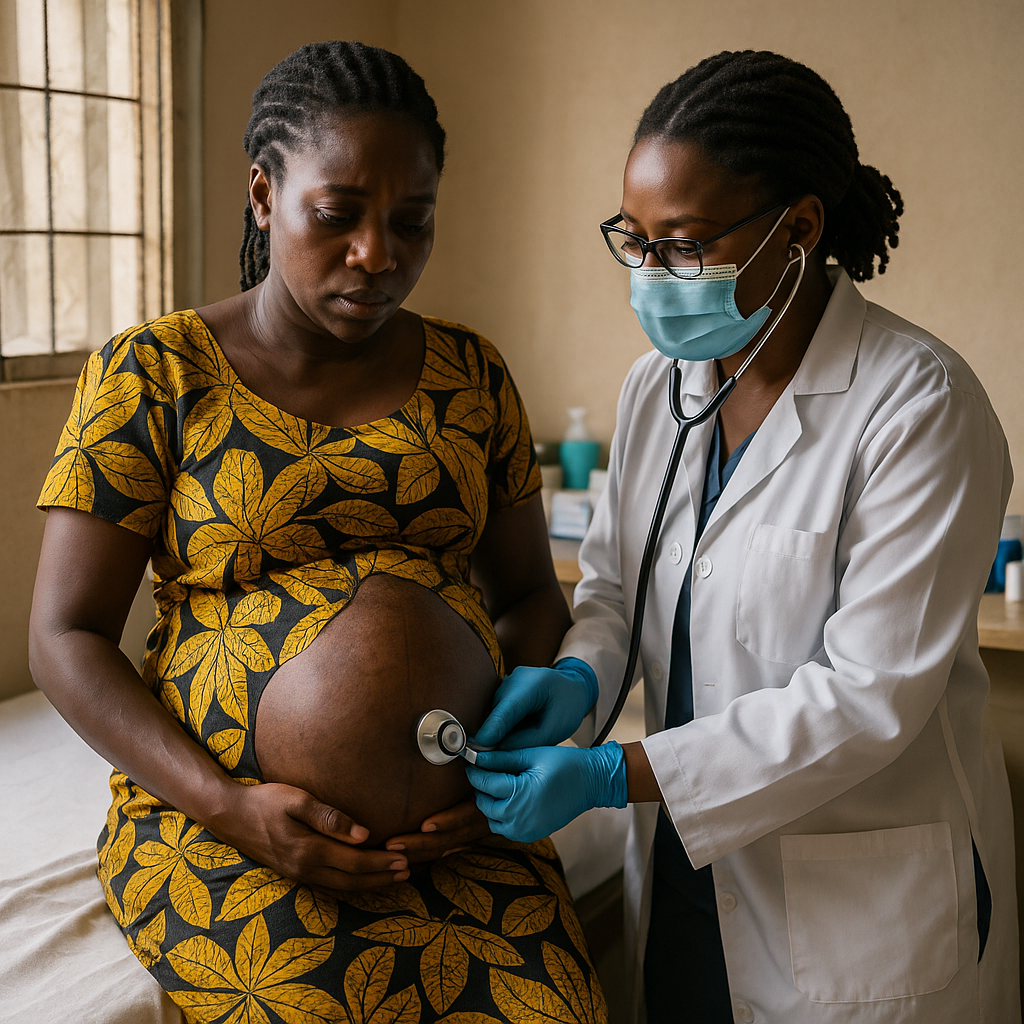
Extreme heat is putting pregnancies, newborns and children's health under growing pressure, prompting four United Nations agencies to introduce the first set of priority indicators for tracking its effects. Launched on 21 October, the framework gives countries a practical way to spot emerging health problems, prepare services and respond sooner when temperatures become dangerous.
The World Health Organization (WHO), World Meteorological Organization (WMO), UNICEF and United Nations Population Fund (UNFPA) developed the indicators to help health authorities connect information about heat exposure with what is happening in clinics, maternity wards and communities. Their new report provides a starting point for protecting people whose needs can be overlooked in broader heat planning.
Heat exposure is rising from pregnancy through childhood
Research cited in the announcement links extreme heat exposure to a 26% increase in the odds of preterm birth, adding to concerns about how rising temperatures affect health before a child is born.
Babies under one year experienced 389% more heatwave days in 2024 than during the 1986–2005 baseline period. An estimated 1.5 billion children worldwide are exposed to heatwaves that are becoming more frequent, lasting longer or growing more severe, according to the UN agencies' announcement.
Bruce Gordon, Acting Director of WHO's Department of Environment, Climate Change, One Health and Migration, said older people, pregnant women, newborns and children are among those least able to escape these risks. He called for health systems to use data both to protect people during heatwaves and to make climate risks part of everyday health care.
Tracking births, illnesses and missed school days
The report recommends monitoring preterm births, stillbirths, low birthweight, high blood pressure during pregnancy, child deaths and visits to health facilities during extreme heat. School attendance offers another useful measure, helping authorities understand how hot weather disrupts children's daily lives and education.
Comparing these records with heat-exposure information, including air temperature, can reveal unusual changes that need closer investigation. Such patterns can flag a possible connection with heat and help authorities decide where further investigation or protective action is needed.
Dr Pascale Allotey, Director of WHO's Department of Sexual, Reproductive, Maternal, Child and Adolescent Health and Ageing, stressed the importance of making these effects visible.
"But what health systems do not count, they cannot respond to," she said.
Tracking births, deaths, illnesses and health-facility visits alongside heat exposure gives countries a clearer picture of potential impacts on women and children, supporting decisions about where help is needed most.
Turning health records into earlier protection
The information can help health authorities prepare facilities for increased demand, strengthen warnings for pregnant women and families, and identify communities facing the greatest risks. It can also inform decisions about where to direct resources and how to improve local heat-health planning.
WHO is urging countries to strengthen their ability to monitor these effects and develop heat-health action plans suited to local conditions. Those plans need to include the needs of pregnant women, newborns and children, supported by stronger early warning systems that trigger timely action when dangerous heat is approaching.
Using the indicators routinely can help governments recognise emerging risks and target measures to prevent harm as extreme heat becomes a more common part of daily life.
ALSO READ
-
WHO Launches TB Research Toolkit to Bring Pregnant Women Into Clinical Trials Earlier
-
WHO Unveils Global Plan to Save Mothers and Babies From Pregnancy Disorders
-
Global Heat Forum Urges City Action and Funding as Extreme Temperatures Threaten Lives
-
El Niño Brings Heat, Drought and Flood Threats to the South-West Indian Ocean Region
-
Better Heat Planning Can Protect Crowds and Ease Pressure on Hospitals, WHO Says


 Google News