

WHO Launches TB Research Toolkit to Bring Pregnant Women Into Clinical Trials Earlier
The TB in pregnancy and lactation research toolkit is intended for researchers, clinical trial sponsors, ethics committees, regulators and other groups involved in developing TB medicines and vaccines.
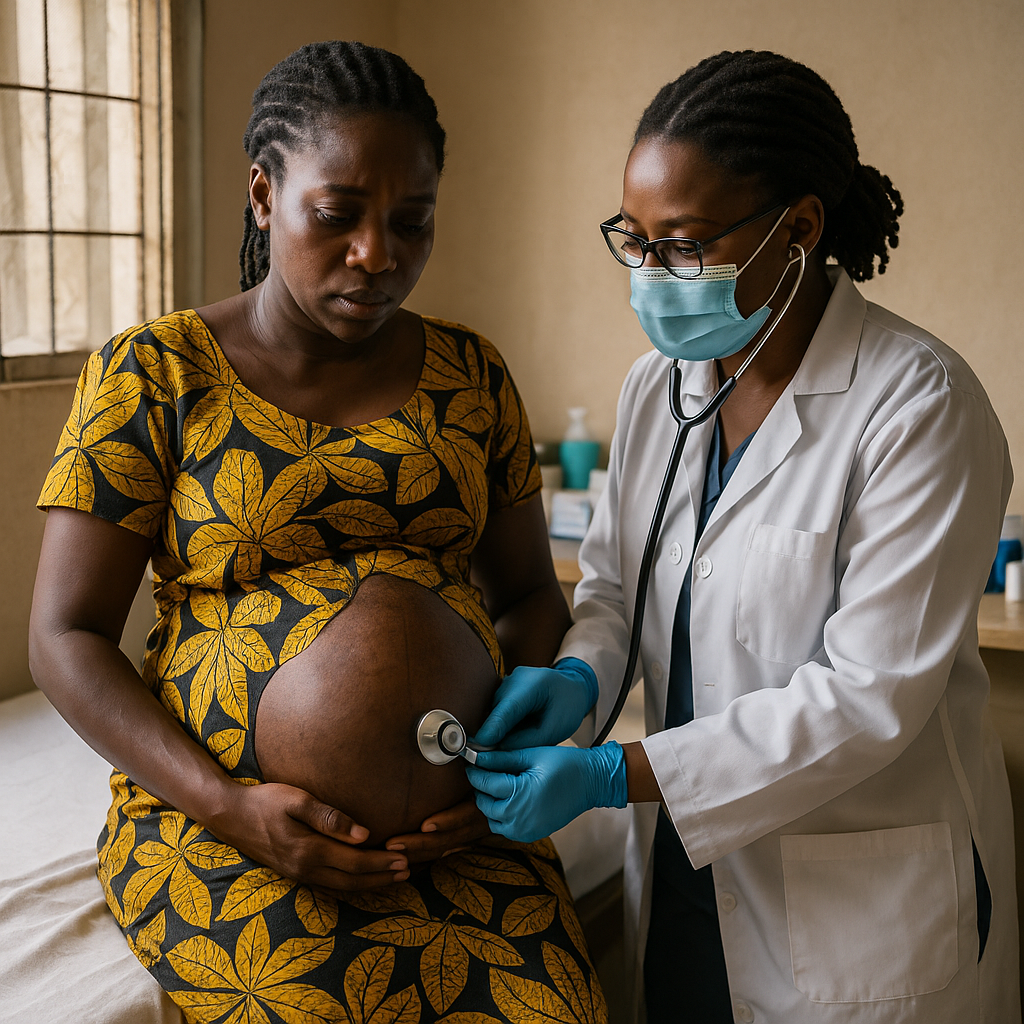
The World Health Organization has launched a new online research toolkit designed to help pregnant and lactating women take part in tuberculosis research earlier and more safely, addressing a persistent evidence gap that has left many women and infants waiting longer than other groups to benefit from advances in TB treatment, prevention and vaccination.
The TB in pregnancy and lactation research toolkit is intended for researchers, clinical trial sponsors, ethics committees, regulators and other groups involved in developing TB medicines and vaccines. WHO says the resource is meant to turn broad principles on inclusion into practical steps that can be used when studies are being planned, reviewed and carried out.
Pregnant and lactating women have historically been excluded from many TB drug and vaccine trials because of safety concerns and uncertainty around research during pregnancy. This exclusion has created limited evidence on how medicines behave in the body during pregnancy and breastfeeding, what doses are most appropriate, how safe new treatments are and how effectively they work for mothers and infants.
Evidence gaps have delayed access to better TB care
WHO says these research gaps can have direct consequences for clinical care because doctors and health authorities may have less information when deciding how TB medicines or vaccines should be used during pregnancy and lactation.
Dr Tereza Kasaeva, Director of WHO's Department for HIV, Tuberculosis, Hepatitis and Sexually Transmitted Infections, said pregnant and lactating women remain underrepresented in TB research and are often among the last groups to benefit from scientific advances. She said the toolkit is intended to support their earlier inclusion so that future policies and treatment decisions are backed by stronger evidence.
The toolkit covers ethical considerations and community engagement, preclinical research needs, trial design, pharmacokinetics during pregnancy, the postpartum period and lactation, outcome measures, sample size planning and strategies for recruiting and retaining participants.
Researchers can also find guidance on regulatory requirements, TB vaccine trials, surveillance systems and registries. Case studies and selected resources from completed and ongoing research projects have been included to show how these issues can be handled in real-world settings.
Toolkit builds on two years of global consultation
The new resource grew out of a WHO-led international process conducted during 2024 and 2025, when experts from all WHO regions examined why pregnant and lactating women were often left out of TB studies and what could be done to change research practices.
Working groups and consultations explored ethical concerns, scientific barriers and practical challenges involved in including this population in clinical trials. The process led to the publication in August 2025 of the consensus statement "Optimal and early inclusion of pregnant and lactating women in tuberculosis research" and a related call to action focused on accelerating research.
Developing a TB-specific research toolkit was identified as one of the priority actions in that call, giving researchers a resource that could move recommendations from policy discussions into trial protocols and day-to-day research decisions.
WHO pushes for safer and more inclusive TB research
The TB toolkit forms part of a wider WHO effort to improve the inclusion of pregnant and lactating women in clinical research across different health conditions. WHO already maintains a broader knowledge portal that provides general principles and guidance for researchers working with this population.
The new TB resource takes those broader principles and applies them specifically to tuberculosis, where questions around drug dosing, vaccine safety, disease progression and treatment during pregnancy can require specialised planning.
WHO expects earlier and more systematic inclusion to help researchers generate evidence before medicines and vaccines are widely used, rather than relying on information gathered only after products reach routine care. Better data could help clinicians make more confident treatment decisions and give pregnant women, breastfeeding mothers and their infants faster access to effective TB innovations.
By providing researchers and regulators with clearer tools for planning inclusive studies, WHO is seeking to make pregnancy and lactation a routine part of TB research design rather than an automatic reason for exclusion, strengthening the evidence needed to improve care and support global efforts to end tuberculosis.
ALSO READ
-
Sudan Faces Rising Famine Risk as Conflict, Drought and Hunger Deepen Crisis
-
WHO Pushes Stronger Medicine Supply Chains to Sustain Global Fight Against NTDs
-
UN Backs New Pandemic Preparedness Pact as Countries Push for Fairer Global Response
-
WHO Launches Global Movement to Rebuild Trust in Science and Improve Health
-
AfDB and WHO Push $55 Million Sudan Health Project to Speed Up Critical Care Support


 Google News