

ARCC accepts South Africa's documentation of polio-free status
“The ARCC decision was made based on the political commitment the members observed during their advocacy and verification visits to South Africa and the improvements in polio surveillance and routine immunization,” WHO confirmed in a letter.
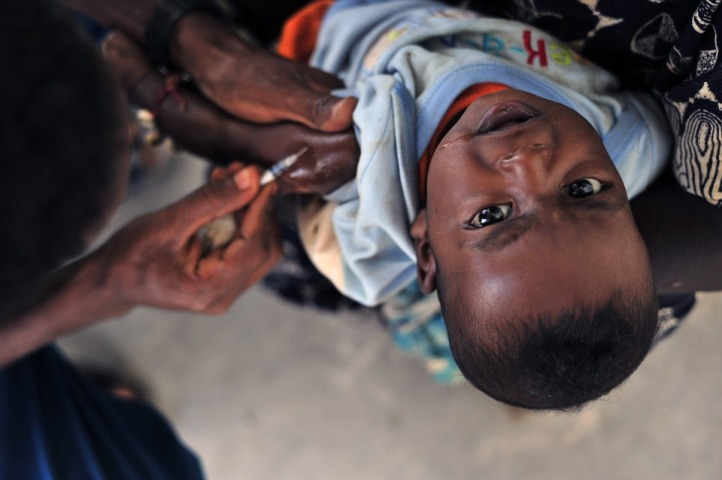
- Country:
- South Africa
The World Health Organisation's (WHO) African Regional Certification Commission (ARCC) has certified South Africa polio-free.
"Following the recent ARCC verification visit to South Africa in August 2019 and the ARCC meeting held in Lusaka, Zambia on the 19th September 2019, the ARCC has accepted the South Africa national documentation of polio-free status.
"The ARCC decision was made based on the political commitment the members observed during their advocacy and verification visits to South Africa and the improvements in polio surveillance and routine immunization," WHO confirmed in a letter.
Although the last wild case of polio in South Africa occurred in 1989, deficiencies in the country's routine immunization coverage and surveillance systems resulted in South Africa's polio-free status being rescinded in 2017.
In response, a number of measures were put in place to address the identified weaknesses. Progress has been made in ensuring that all children are protected from polio through routine immunization.
More than 80% of children have received three doses of intramuscular polio vaccine as part of their routine vaccinations in recent years, except during 2016 when a global shortage of hexavalent vaccine resulted in low coverage.
In addition to ensuring that children are protected against polio, countries must also demonstrate that robust surveillance systems are in place so that any cases of polio that might occur would be swiftly identified and contained.
South Africa's surveillance system has been strengthened as demonstrated by an increase in the national non-polio AFP detection rate which has been consistently above the target level of 2 per 100 000 children under 15 years in recent years, with more districts progressively achieving this target.
South Africa has also developed and implemented a robust outbreak preparedness plan as well as an environmental surveillance plan to further strengthen surveillance efforts.
Based on these actions, the country's National Certification Committee, an independent committee, expressed confidence that the country was able to achieve and sustain routine immunization and surveillance targets and recommended that the ARCC declare South Africa polio-free.
The Department of Health said attention must now focus on ensuring that the improved immunization and surveillance performance is maintained and further strengthened.
"All Provincial Departments of Health have plans in place to further improve coverage and surveillance, and to ensure that all districts and sub-districts reach the national coverage and surveillance targets," the department said.
The department said it is currently conducting a National Immunisation Coverage Survey which will provide important information on immunization coverage patterns which will be used to further improve the immunization programme.
"More than one million households will be visited, and all household members are urged to assist by answering questions regarding the immunizations which their children have received," the department said.
It added that achieving polio-free status has required commitment and hard work from many stakeholders, especially front line health workers.
"We would like to thank all of those who have contributed, and urge them to maintain their commitment, so that we can both retain our polio-free status and ensure that all children are protected from all vaccine-preventable diseases," the department said.
(With Inputs from South African Government Press Release)
ALSO READ
-
Kazakhstan Connects Over 200 Health Workers With Global Clinical Research Experts
-
Higher Tobacco Taxes Cut Smoking and Show How Health Levies Can Change Daily Lives
-
Better Heat Planning Can Protect Crowds and Ease Pressure on Hospitals, WHO Says
-
WHO and KEI Explore Community Rights in Traditional Medicine Research and Innovation
-
Cholera Deaths Rise 30% as WHO Reports Highest Annual Toll in More Than Two Decades


 Google News