

Tibetan Identity at the Crossroads: A Call for Global Support
A panel discussion at the Dalai Lama Institute for Higher Education delved into the complexities of Tibetan identity and rights amidst China's political pressures. Panelists urged international support for the Tibetan cause, linking environmental sustainability with human rights, and emphasizing collective advocacy efforts.
- Country:
- India
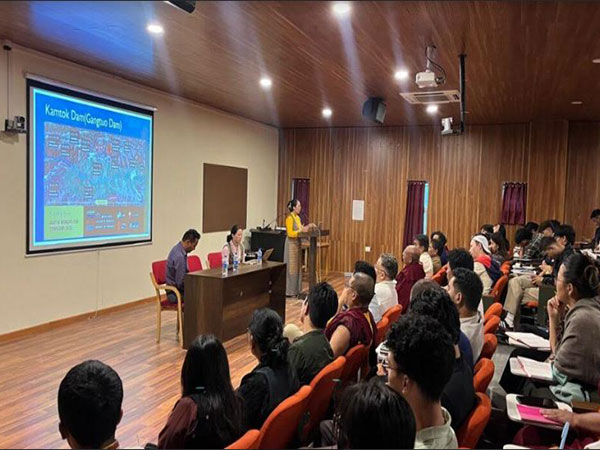
In a compelling panel discussion titled 'Why Tibet Matters,' held at the Aa-Ka-Ma auditorium of the Dalai Lama Institute for Higher Education, Tibetan identity and rights took center stage. Hosted in collaboration with the Department of Information and International Relations (DIIR), Central Tibetan Administration, the dialogue shed light on the multifaceted challenges faced by the Tibetan community under the current political climate.
The session, moderated by Acharya Norbu, a Tibetan History lecturer, featured key insights from panellists Dechen Palmo, an environmental researcher at the Tibet Policy Institute, and Dukthen Kyi, head of the Tibet Advocacy Section at DIIR. Dukthen Kyi emphasized the rising pressure from the Chinese government on Tibetan politics and culture, advocating for heightened international awareness and support. Her arguments powerfully connected the importance of protecting Tibetan identity with the global themes of human rights and environmental sustainability.
The discussion concluded on a resolute note, with a call to action from DLIHE's Principal, Tenzin Pasang. He emphasized the collective responsibility of attendees to engage in advocacy for Tibetan issues. With an audience of nearly 200 students and faculty, the event underscored the political, cultural, and human rights concerns connected to Tibet, spurring dialogue and community engagement among attendees.
ALSO READ
-
Colombia’s Former Enemies Join Search for Disappeared as UN Praises Victim Justice
-
US Migrant Transfer Deals Put Thousands at Risk of Torture and Abuse, Experts Warn
-
Century After Slavery Convention, Millions Still Wait for Freedom and Justice
-
Forever Chemicals Fuel Unequal Pollution Burden as UN Expert Calls for Urgent Bans
-
Poverty in the Line of Fire: UN Experts Demand Iran End Border Courier Killings


 Google News