

President Ramaphosa highlights progress in SA's energy crisis management
Introduced in July 2022 amidst severe energy challenges, the EAP outlined a comprehensive strategy aimed at revitalizing South Africa's power sector.
- Country:
- South Africa
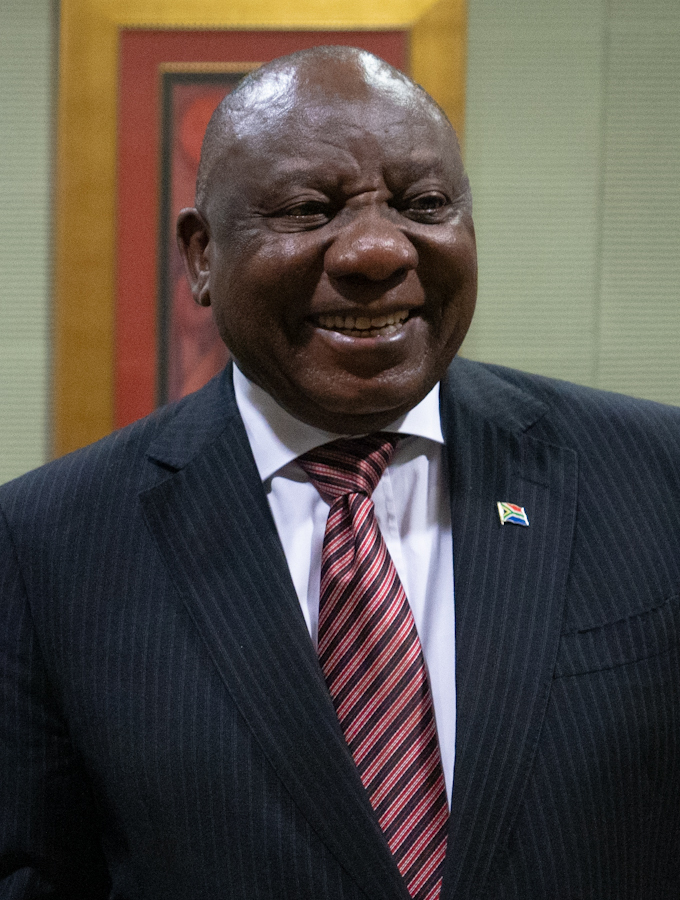
In his recent weekly newsletter, President Cyril Ramaphosa of South Africa provided a hopeful update on the nation's ongoing battle against energy shortages, attributing the recent cessation of load shedding to the successful implementation of the 2022 Energy Action Plan (EAP). This significant announcement came after South Africa experienced over a month and a half without load shedding, fostering optimism about a sustainable solution to the energy crisis.
Introduced in July 2022 amidst severe energy challenges, the EAP outlined a comprehensive strategy aimed at revitalizing South Africa's power sector. The plan includes crucial steps such as repairing Eskom's aging coal-fired power stations, encouraging private investment in energy generation, and expediting the acquisition of new capacity from renewable sources like solar and wind, along with gas and battery storage.
President Ramaphosa emphasized the tangible results of these initiatives, noting a 9% reduction in losses due to unplanned outages from April 2023 to March 2024, effectively adding 4400MW of capacity to the national grid. This improvement has elevated the country's Energy Availability Factor (EAF) above 60% since April, compared to 53% in the previous year, reflecting better maintained and more reliable power stations.
Moreover, the president highlighted the removal of licensing thresholds for new power generation projects, which has spurred significant private sector investment. Over 130 private energy projects, representing more than 22,500MW of new capacity, are currently underway, some of which are already beginning to connect to the grid.
Additionally, incentives for rooftop solar installations have led to over 5000MW capacity by November last year, doubling the output within twelve months and significantly alleviating pressure on the national grid.
Despite the advancements, President Ramaphosa addressed skepticism regarding the timing of these improvements ahead of the general elections scheduled for May 29, firmly rejecting claims that the reduced load shedding was a mere political maneuver. He clarified that the utilization of Eskom's diesel-fueled peaking plants has decreased significantly, countering speculation about their use to artificially sustain power supply during the election period.
Looking forward, the President remains cautiously optimistic but realistic about the ongoing challenges. He reaffirmed his commitment to continuing the strategic initiatives under the EAP, including the passage of the Electricity Regulation Amendment Bill, aimed at establishing a competitive energy market and expanding the transmission network to support more renewable energy projects.
As South Africa prepares for its upcoming elections, President Ramaphosa's update provides a reassuring note on the government's efforts to secure a stable and sustainable energy future, though he reminded citizens of the continual risk of load shedding and the collective responsibility to use electricity sparingly.


 Google News