

Assassination of Hamas Leader Sparks Middle East Tensions
Hamas leader Ismail Haniyeh was assassinated in Tehran, escalating tensions in the Middle East. Iran and Hamas vowed revenge, while Israel and the U.S. remained tight-lipped. The attack jeopardizes ceasefire talks and increases the risk of broader regional conflict, with international condemnation and reactions highlighting the rising stakes.
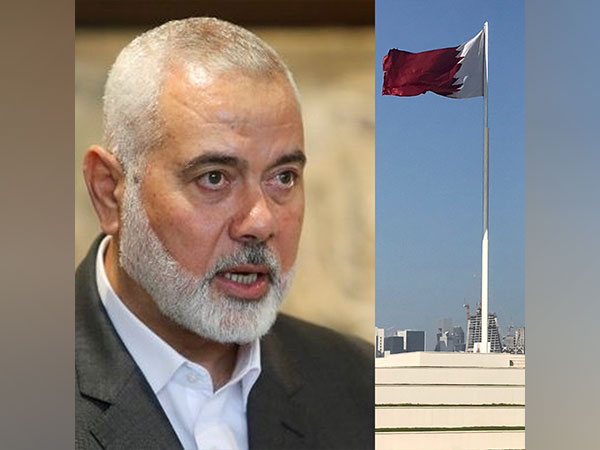
Hamas leader Ismail Haniyeh was assassinated early Wednesday in Tehran, prompting threats of revenge from Iran and raising fears that the Gaza conflict could escalate into a broader Middle Eastern war. Both Hamas and Iran's Revolutionary Guards confirmed Haniyeh's death, which occurred shortly after he attended Iran's new president's swearing-in ceremony.
While the attack is widely attributed to Israel, Prime Minister Benjamin Netanyahu's government has neither confirmed nor commented on the incident. Haniyeh, a key diplomatic figure for Hamas, had been involved in indirect ceasefire talks in Gaza since the October 7 attack on Israel. His assassination comes just a day after Israel reported killing a Hezbollah commander in Beirut, marking a significant escalation in the conflict.
Iran has declared three days of national mourning, accusing the U.S. of complicity due to its support for Israel. Israel remains on high alert for possible Iranian retaliation, as the assassination undermines ceasefire prospects and deepens the Gaza war. Meanwhile, various international actors, including the U.S., Qatar, and Egypt, have condemned the attack, urging renewed efforts to halt the violence.


 Google News