

UN Security Council Calls for Diplomatic Efforts Amid Rising Middle East Tensions
The United Nations Security Council urged increased diplomatic efforts to prevent a larger Middle East conflict after the assassinations of two militant leaders. The killings have escalated tensions, with calls for a ceasefire in Gaza and international pressure on key players to de-escalate the situation.
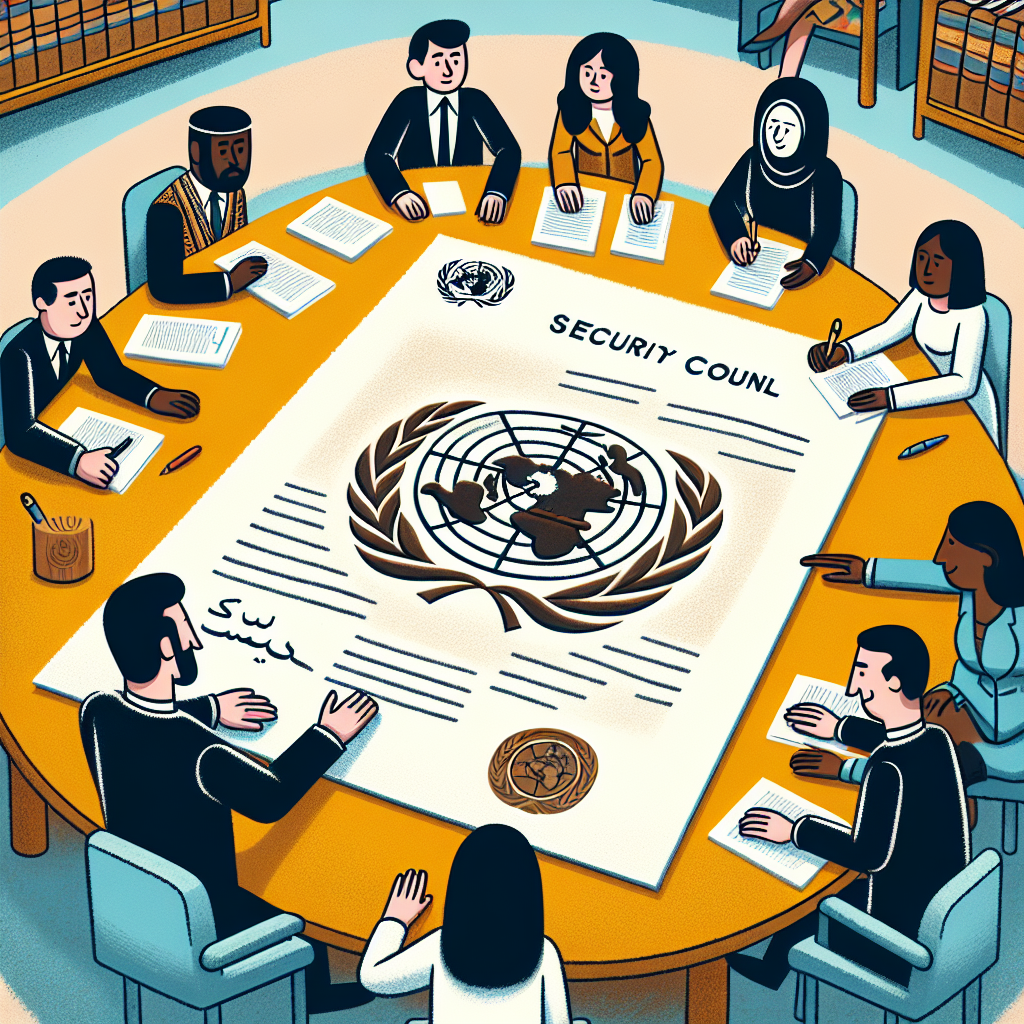
United Nations Security Council countries on Wednesday called for stepped-up diplomatic efforts to avert a wider Middle East conflict after the killings of two militant leaders raised tensions.
Hamas leader Ismail Haniyeh was assassinated in the Iranian capital Tehran early on Wednesday, sparking threats of revenge against Israel and fueling concerns that the Gaza conflict was turning into a wider Middle East war. The assassination occurred less than 24 hours after Hezbollah's most senior military commander was killed in an Israeli strike on the Lebanese capital Beirut in retaliation for a deadly rocket attack in the Israeli-occupied Golan Heights.
Japan's deputy U.N. representative, Shino Mitsuko, echoed the concerns of several countries, fearing the region is on the brink of all-out war, and urged international efforts to prevent such a conflict. Nations like China, Russia, and Algeria condemned the assassination, which Iran's U.N. ambassador labeled an act of terrorism, while the U.S., U.K., and France criticized Iran for supporting destabilizing activities in the region.
China's ambassador to the U.N., Fu Cong, stated that the lack of a ceasefire in Gaza was aggravating tensions and called for influential countries to exert more pressure to extinguish the flames of war. Meanwhile, Britain's U.N. Ambassador Barbara Woodward called for calm and restraint, urging an immediate ceasefire and a recommitment to a peace process aiming at a two-state solution.
Deputy U.S. ambassador to the U.N., Robert Wood, called for Security Council members with influence over Iran to pressure it to halt its escalating proxy conflict against Israel. Conversely, Iran’s U.N. Ambassador Amir Saeid Iravani claimed Tehran reserved the right to respond decisively while urging the Security Council to sanction Israel. Israel's deputy representative to the U.N., Jonathan Miller, urged the Security Council to condemn Iran for supporting regional terrorism and increment sanctions on Tehran.


 Google News