

African Court Ruling Holds Tanzania Accountable for Failing to Protect Persons with Albinism
“This decision marks a significant milestone in the ongoing struggle to enforce the human rights of persons with albinism,” said Miti-Drummond.
- Country:
- Tanzania
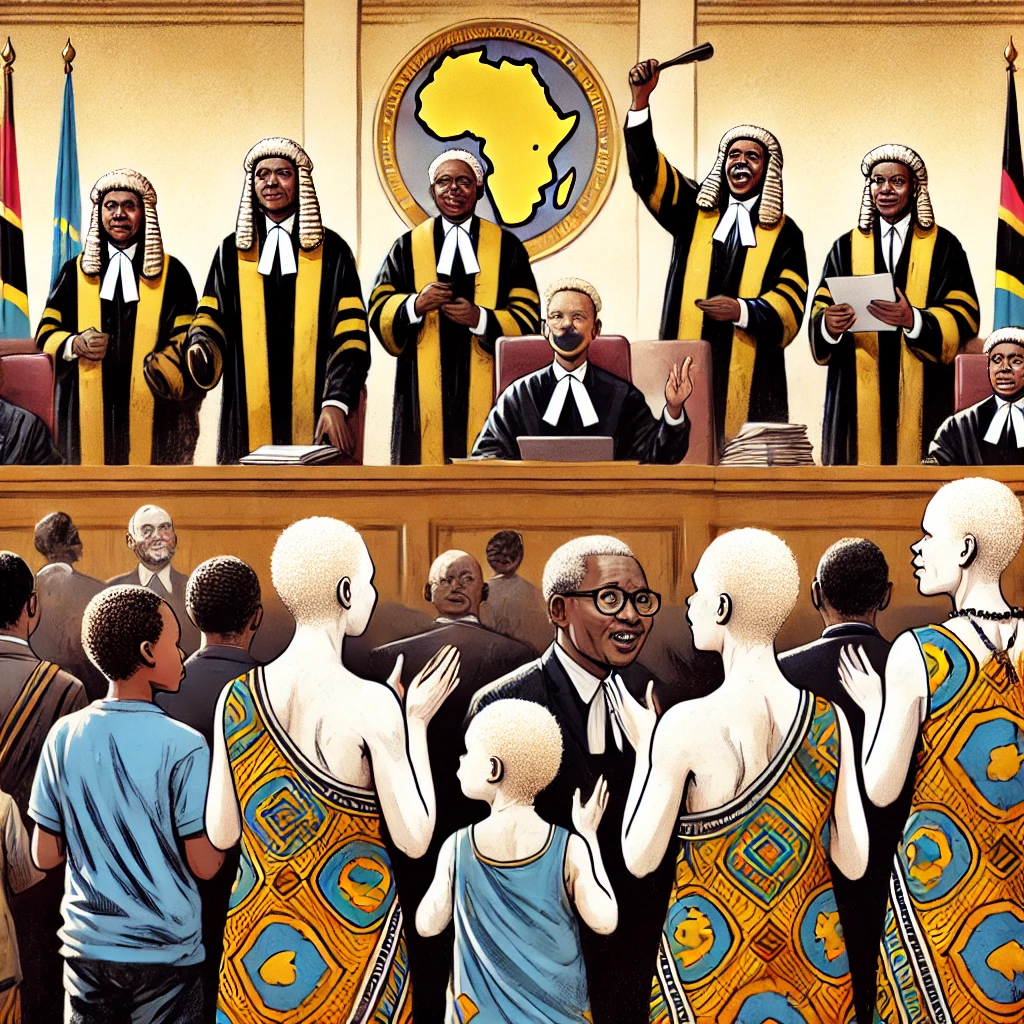
The Independent Expert on the enjoyment of human rights by persons with albinism, Muluka-Anne Miti-Drummond, has welcomed a landmark decision by the African Court on Human and Peoples' Rights, which found the United Republic of Tanzania liable for failing to protect persons with albinism from violent attacks, torture, discrimination, trafficking, and child abduction.
In its ruling, the African Court determined that Tanzania violated multiple human rights provisions, including the right to life under Article 4 of the African Charter on Human and Peoples' Rights, the prohibition against torture and inhumane treatment, the prohibition of child trafficking and abduction, and the right to non-discrimination under various international human rights instruments.
The Court ordered Tanzania to amend its legal framework, including revisions to the Witchcraft Act, to ensure the criminalization of attacks against persons with albinism.
"This decision marks a significant milestone in the ongoing struggle to enforce the human rights of persons with albinism," said Miti-Drummond. "The case has set a powerful precedent, highlighting State obligations to protect this vulnerable group in Africa."
Court Orders Comprehensive Reforms and Reparations
The Court mandated several measures to address systemic failures, including:
- Legal Reforms: Amendments to laws such as the Witchcraft Act to explicitly criminalize attacks on persons with albinism.
- National Action Plan: Development of a national action plan aligned with the African Union's Plan of Action to End Attacks and Other Human Rights Violations Targeting Persons with Albinism.
- Healthcare Measures: Implementation of effective measures to ensure the right to health for persons with albinism.
- Awareness Campaigns: Initiatives to dispel myths and harmful beliefs about albinism, aiming to mitigate violence and discrimination.
Furthermore, the Court ordered the establishment of a compensation fund and mandated the Tanzanian government to pay 10 million Tanzanian shillings to victims of violent attacks.
"The Court's strong stance on reparations is encouraging," Miti-Drummond noted. "I urge the Tanzanian government to take all necessary measures to ensure the full implementation of this decision."
Background of the Case
The case was initiated by the Centre for Human Rights at the University of Pretoria (CHR), the Institute for Human Rights and Development in Africa (IHRDA), and the Legal and Human Rights Centre (LHRC), representing persons with albinism in Tanzania. The applicants presented compelling evidence of killings, mutilations, lack of access to justice, and persistent social stigma against persons with albinism in various districts across Tanzania. The government was accused of neglecting its duty to protect and promote the rights of persons with albinism.
Miti-Drummond contributed to the case by submitting an amicus curiae brief, in collaboration with Under the Same Sun, a non-governmental organization, and the O'Neill Institute for Global and National Health at Georgetown University. The brief underscored international human rights standards and jurisprudence, emphasizing the Tanzanian government's responsibilities towards persons with albinism.
The expert has also engaged with the Tanzanian government through advocacy visits and dialogues to address ongoing concerns and challenges faced by persons with albinism in the country.
A Pivotal Moment for Human Rights in Africa
This decision sets an important precedent for the protection of persons with albinism across Africa, emphasizing the necessity for governments to uphold their human rights obligations. It also highlights the critical role of international and regional human rights bodies in holding states accountable for violations against marginalized communities.
Miti-Drummond and other human rights advocates will continue to monitor the implementation of the Court's orders and work towards ensuring justice and protection for persons with albinism in Tanzania and beyond.
For further information, please contact: Muluka-Anne Miti-Drummond Independent Expert on the enjoyment of human rights by persons with albinism United Nations Human Rights Council


 Google News