

Navigating Perilous Waters: The Surge of Ship Jamming in the Gulf
The Gulf region faces rising concerns over ship jamming, affecting navigation and safety. Fake signals show oil tankers in improbable locations, complicating maritime activities. As geopolitical tensions rise, the practice threatens global shipping routes, with nearly 1,000 ships impacted, according to Windward, amidst the ongoing Israel-Iran conflict.
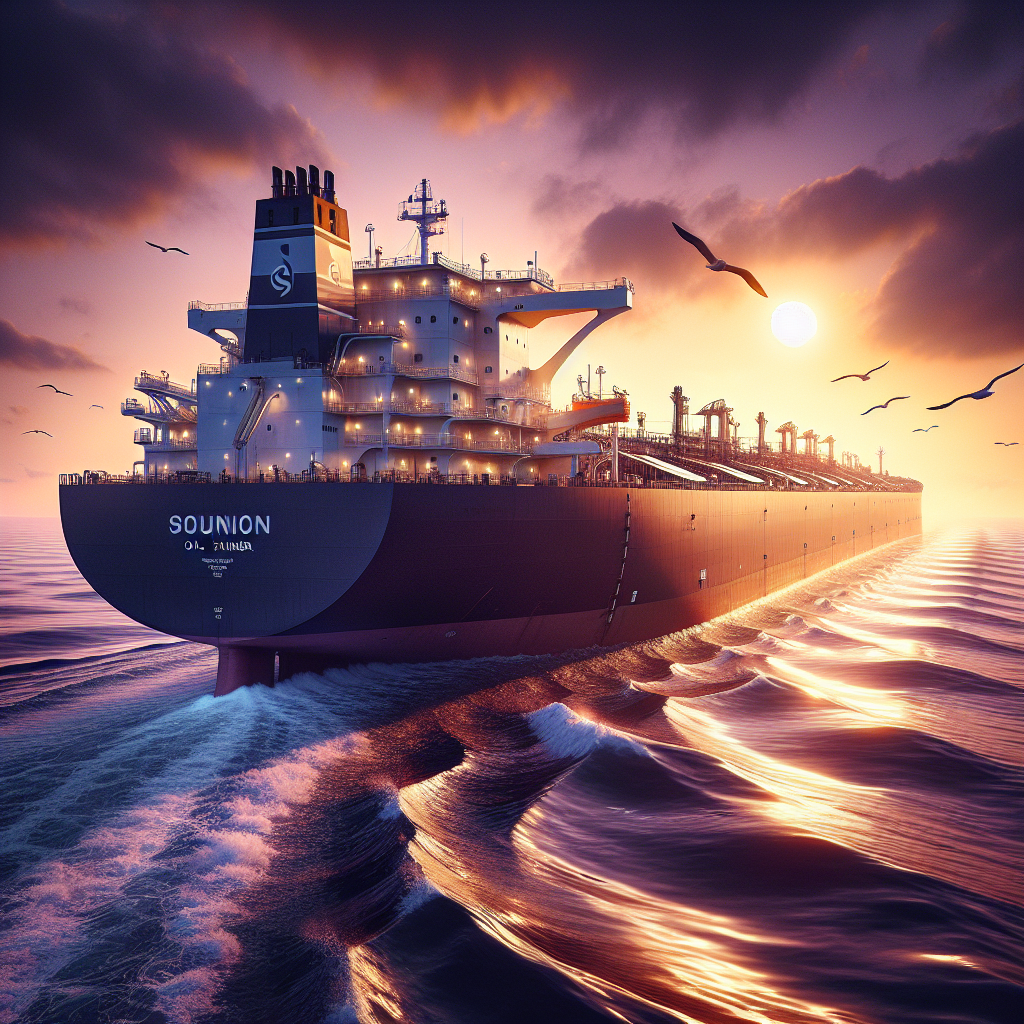
In a latest troubling development, the Front Tyne, an oil tanker, appeared to leap across continents due to erratic tracking signals. This malfunction, caused by jamming, is affecting hundreds of vessels in the Gulf region amid tensions involving Iran and Israel, as documented by Windward, a shipping analysis firm.
On Tuesday, a collision between tankers ignited a fire after the vessels, including the Front Eagle, struggled with navigation issues south of Strait of Hormuz. Experts like Ami Daniel, CEO of Windward, highlight the increasing risks, noting that the normally calm waters have become a 'hot area' for navigation complications.
Restricted location signals not only complicate maritime navigation but also raise suspicions about their causes. While some instances may involve deliberate spoofing attempts by crews, third-party jamming is predominantly observed in conflict areas. Analysts cite interference in locations such as the Black Sea and Taiwan Strait.


 Google News