

UPSC Pilots AI-Based Facial Authentication for Faster, Secure Candidate Entry
The pilot project was undertaken in collaboration with the National e-Governance Division (NeGD), which has been at the forefront of introducing digital governance solutions across India.
- Country:
- India
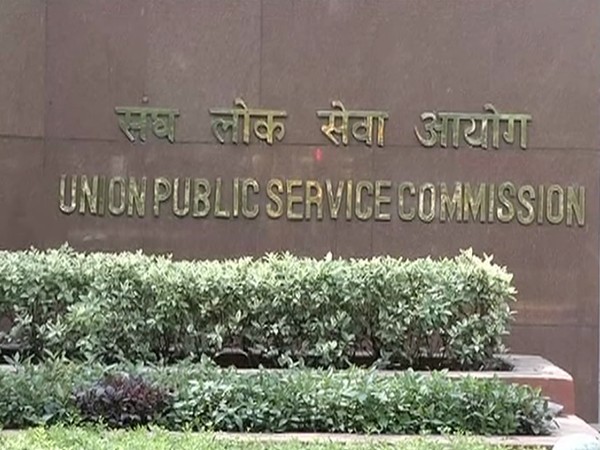
The Union Public Service Commission (UPSC) has successfully conducted a pilot programme to test AI-enabled facial authentication technology during the NDA & NA II Examination 2025 and the CDS II Examination 2025, held on 14 September 2025. The initiative marks a major milestone in leveraging advanced digital tools to enhance both efficiency and security in the examination process.
Partnership with NeGD for Digital Innovation
The pilot project was undertaken in collaboration with the National e-Governance Division (NeGD), which has been at the forefront of introducing digital governance solutions across India. The joint effort reflects the government's larger vision of deploying artificial intelligence, automation, and digital verification tools in critical public service areas.
Swift and Secure Candidate Verification
The pilot was conducted at select examination centres in Gurugram, where candidates' live facial images were instantly matched against the photographs submitted in their application forms. This AI-based verification system reduced entry time dramatically—averaging just 8–10 seconds per candidate, compared to the longer manual verification procedures traditionally used.
In total, around 2,700 successful scans were completed for 1,129 candidates across multiple sessions at the pilot locations. The trial demonstrated not only speed and efficiency, but also the potential to strengthen examination integrity by reducing the scope for impersonation and fraud.
UPSC's Commitment to Technology and Fairness
Commenting on the pilot's success, Dr. Ajay Kumar, Chairman, UPSC, said:
"The Commission is committed to adopting cutting-edge technology to uphold the highest standards of fairness and transparency. This pilot with AI-based facial recognition is a significant step in our endeavour towards smarter, secure, and efficient exam processes. While UPSC modernises its practices, the utmost care has been taken to safeguard the integrity of our processes."
His remarks underline UPSC's commitment to balancing technological innovation with robust safeguards, ensuring that modernization does not compromise fairness or inclusivity.
Towards Smarter Examinations
The successful pilot signals the beginning of a broader roadmap for digital transformation in UPSC examinations. Potential long-term benefits include:
-
Reduced verification time leading to smoother candidate entry.
-
Enhanced security through biometric authentication.
-
Minimised impersonation risks, ensuring only genuine candidates gain access.
-
Improved transparency and efficiency in the overall conduct of exams.
Officials noted that further pilots and reviews would be carried out before the system is scaled up for nationwide implementation. Careful attention will be paid to privacy safeguards, data security protocols, and compliance with legal frameworks related to biometric data use.
A Step in India's Digital Governance Journey
The UPSC's initiative resonates with India's larger push towards digital governance and AI adoption in public service delivery. Similar technologies are being piloted in areas such as digital health, smart policing, and citizen services, marking a shift towards more automated, efficient, and secure systems.
If adopted at scale, AI-enabled facial authentication could revolutionize the examination process for millions of candidates, making entry faster, safer, and more reliable, while reinforcing UPSC's reputation for fairness and transparency in one of the world's most competitive examinations.


 Google News