

ECI Tightens Rules on Political Ads, Social Media Spending Ahead of Bihar Polls
Under these revised rules, no political advertisements can be aired, streamed, or posted online without prior certification from the respective District or State-level MCMCs.
- Country:
- India
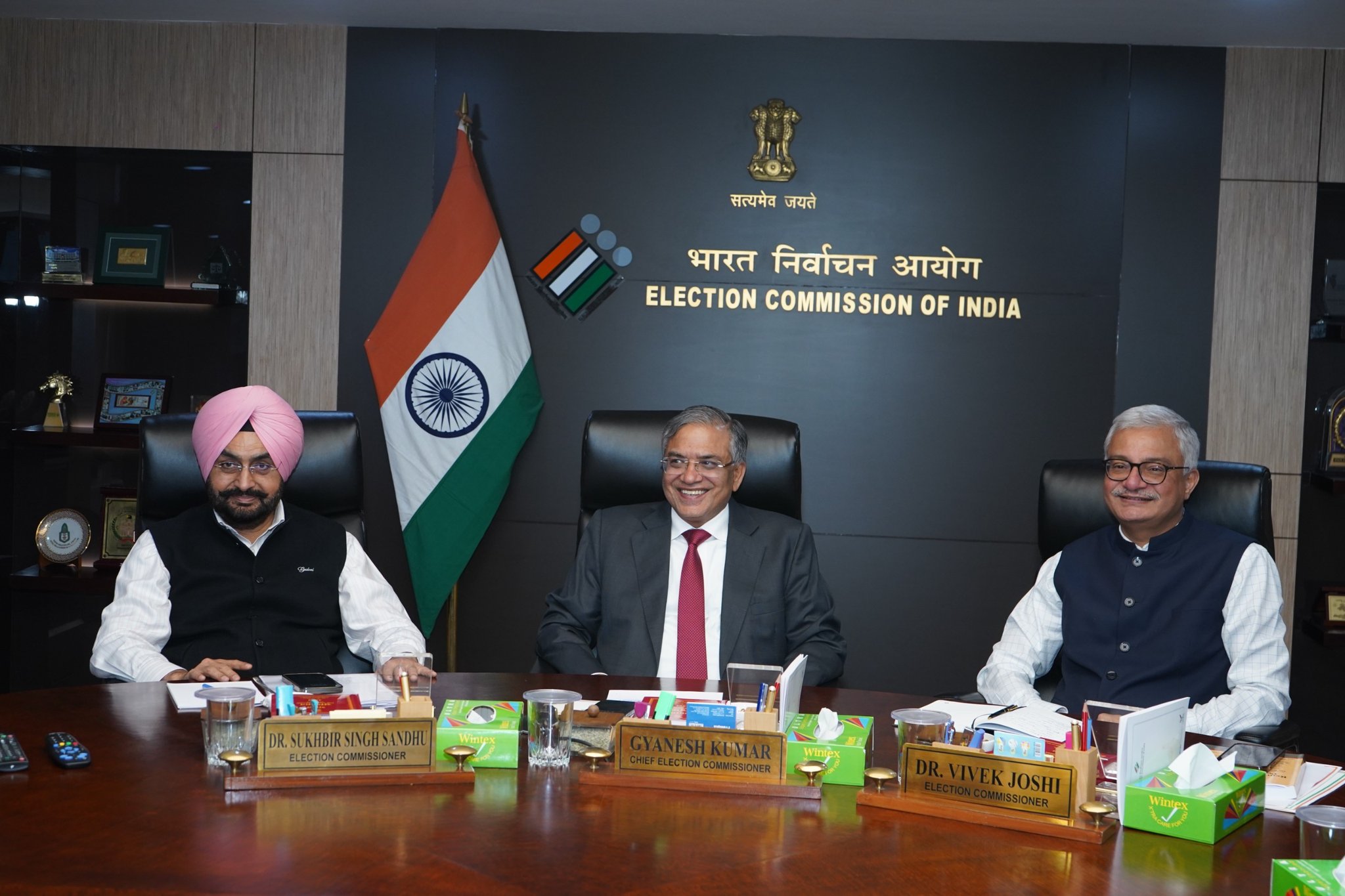
The Election Commission of India (ECI) has announced a comprehensive framework to ensure transparency, accountability, and ethical conduct in political advertising ahead of the General Election to the Bihar Legislative Assembly and bye-elections to eight Assembly Constituencies across six States and the Union Territory of Jammu & Kashmir. The measures, announced following the election schedule release on October 6, 2025, include strict pre-certification of political advertisements, closer monitoring of social media activity, and mandatory expenditure reporting by political parties and candidates.
Strengthening Oversight through MCMC Pre-Certification
In a significant move aimed at curbing misinformation and ensuring fairness in election campaigns, the ECI issued detailed orders on October 9, 2025, directing that every registered political party—national or state—and every contesting candidate must seek prior approval from the Media Certification and Monitoring Committee (MCMC) before releasing any political advertisements on electronic or social media platforms.
Under these revised rules, no political advertisements can be aired, streamed, or posted online without prior certification from the respective District or State-level MCMCs. This includes all forms of digital advertising—ranging from videos and graphics to sponsored posts and paid promotions on social media platforms like Facebook, X (formerly Twitter), YouTube, and Instagram, as well as internet-based websites and OTT platforms.
The ECI has reiterated that these steps are essential to maintain a level playing field and prevent the misuse of online platforms for spreading misinformation or hate content during election periods.
Vigil Against Paid News and Misinformation
Apart from pre-certification, MCMCs have been instructed to keep strict vigil on suspected cases of "paid news"—a practice wherein political content is disguised as news to influence voters. Such cases will be investigated promptly, and suitable legal and disciplinary actions will follow.
This enhanced scrutiny reflects the Commission's recognition of the growing influence of social media and digital campaigning in shaping voter perceptions. Officials have noted that paid or manipulated content on social platforms poses significant challenges to the integrity of the electoral process.
Verification of Authentic Social Media Accounts
Acknowledging the proliferation of fake and impersonated political accounts, the ECI has mandated that all candidates declare their official social media handles—including those on Facebook, X, Instagram, YouTube, and other platforms—at the time of filing their nomination papers.
This measure is designed to help election authorities and the public distinguish between verified and fake accounts, thereby minimizing misinformation and impersonation during campaigns.
Expenditure Reporting: Digital Campaigns Under the Scanner
The ECI has also reinforced the financial transparency norms governing digital campaigning. Citing Section 77(1) of the Representation of the People Act, 1951, and the directions of the Hon'ble Supreme Court of India, the Commission stated that all political parties must submit a detailed statement of their campaign expenditure—including that incurred on digital and social media platforms—within 75 days of the completion of the Assembly elections.
This expenditure statement must include:
-
Payments made to internet and social media companies for advertising and promotion;
-
Costs incurred for digital campaign content creation—such as videos, graphics, and targeted advertisements; and
-
Operational expenses associated with maintaining official social media accounts or running digital campaign teams.
The ECI has emphasized that any concealment or under-reporting of such expenses would be treated as a serious violation of election expenditure laws and could lead to penal consequences under the Representation of the People Act.
Ensuring Free, Fair, and Transparent Elections
With the 2025 Bihar Assembly Election expected to be one of the most digitally intensive campaigns in recent years, the ECI's proactive steps signal a firm commitment to regulating online electioneering. The Commission stated that technology should be used to inform, not manipulate, the electorate, and that transparency in political advertising is vital for preserving democratic integrity.
Officials added that these measures build upon the Commission's previous reforms introduced during the 2019 General Elections and the 2024 Lok Sabha Elections, which saw a surge in online campaigning. By mandating pre-certification and expenditure tracking, the ECI aims to close existing regulatory gaps and ensure ethical use of digital tools in the democratic process.
Upholding Credibility in the Digital Age
Election analysts have lauded the ECI's initiative as a timely response to the digital transformation of Indian politics. With over 700 million internet users and extensive social media penetration, digital campaigning has become an indispensable element of political communication. However, this shift has also raised concerns over fake news, political advertising without disclosure, and untraceable funding sources.
By empowering MCMCs to oversee both traditional and digital media content, and by integrating transparency in expenditure reporting, the ECI's 2025 directives are expected to strengthen electoral ethics and voter trust.
As India's electoral landscape continues to evolve, these new measures reaffirm the ECI's role as a custodian of free, fair, and digitally responsible elections, ensuring that democratic participation remains transparent, informed, and accountable.


 Google News