

e-Waste Recycling Pilot in Alexandra Launched to Tackle Electronic Waste Crisis
to this growing crisis,” Swarts said. E-waste, which includes discarded items such as old cell phones, televisions, laptops, fridges, and stoves, is now the fastest-growing waste stream globally.
- Country:
- South Africa
The South African government has officially launched a pioneering e-Waste Recycling Pilot Project in Alexandra township, Johannesburg, marking a significant step towards addressing the mounting challenge of electronic waste (e-waste) in the country. The initiative seeks to establish a sustainable model for managing, collecting, and recycling e-waste, while simultaneously creating local employment opportunities and promoting environmental stewardship.
A National Response to a Growing Crisis
Speaking at the launch, Deputy Minister of Forestry, Fisheries and the Environment, Bernice Swarts, emphasized the urgency of addressing the environmental and health hazards caused by the improper disposal of electronic devices.
"The increasing number of electronic devices being used without a proper system for disposal has led to the accumulation of waste that harms our environment and contaminates water and soil. Today's launch of the e-Waste Recycling Pilot Project is our response to this growing crisis," Swarts said.
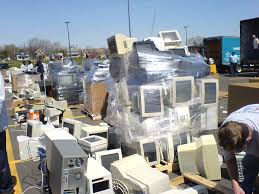
E-waste, which includes discarded items such as old cell phones, televisions, laptops, fridges, and stoves, is now the fastest-growing waste stream globally. Containing toxic elements like lead, mercury, and cadmium, improper disposal of such devices can have devastating consequences on human health and the environment.
Community-Centric Implementation
The pilot project, spearheaded by the Department of Forestry, Fisheries and the Environment (DFFE) in collaboration with the City of Johannesburg, Gauteng Department of Environment, and Producer Responsibility Organisations (PROs), aims to test a community-based model for sustainable e-waste recycling.
A core focus of the initiative is community participation. Households in Alexandra will be provided with accessible collection and drop-off points for their electronic waste. Local Small, Medium and Micro Enterprises (SMMEs) will partner with PROs to ensure that collection bins, receptacles, and recycling facilities are easily available throughout the township.
"The success of this project relies heavily on the participation of the local community. By providing households with easy access to collection or drop-off points and offering guidance on proper disposal, we aim to change the way residents think about their waste," Swarts explained.
Promoting a Circular Economy and Local Jobs
Beyond waste reduction, the project also aims to stimulate local economic development. By involving SMMEs and empowering them through training and partnerships, the initiative supports the creation of green jobs in the recycling sector.
Swarts noted that through collaboration between municipalities, private sector producers, and local enterprises, the project can become a replicable model for other regions, contributing to South Africa's circular economy goals—where waste is transformed into valuable resources rather than discarded.
"This project is about more than just waste management; it is about creating jobs and stimulating local economic development," she said.
Aligning with National Waste Management Goals
The e-Waste Recycling Pilot is aligned with the National Waste Management Strategy 2020, which commits South Africa to reducing waste sent to landfills, increasing recycling rates, and encouraging producer responsibility. Central to this strategy are the Extended Producer Responsibility (EPR) regulations, introduced in November 2021, which mandate producers of electronic goods to take responsibility for their products even after consumers discard them.
The EPR regulations require manufacturers and importers to fund and support recycling initiatives, ensuring that electronic products are properly collected and recycled at the end of their life cycle.
"By encouraging industry involvement in waste management, we are ensuring that those who create waste are also part of the solution," said Swarts.
Gauteng's Role and the Urgency of Action
South Africa generates an estimated 360,000 tons of e-waste annually, with half of it originating in Gauteng—the country's most industrialized province. Shockingly, only 10% of this waste is properly managed, while the rest either ends up in landfills or is illegally dumped.
This poses grave risks to soil, water, and air quality, as well as to the health of nearby communities. According to the DFFE, current waste laws prohibit the disposal of e-waste in landfills, underscoring the importance of recycling and safe recovery of valuable materials such as copper, aluminum, and gold from discarded electronics.
Toward a Cleaner, Greener Future
The launch of the e-Waste Recycling Pilot Project represents a proactive step toward integrating environmental sustainability, public awareness, and economic empowerment. If successful, the model is expected to expand beyond Johannesburg to other municipalities nationwide.
As South Africa grapples with rapid technological advancement and a surge in electronic consumption, initiatives like this underscore the government's commitment to ensuring that progress does not come at the expense of the planet.


 Google News