

UN Rights Chief Urges Fair Process After Bangladesh Delivers In-Absentia Verdicts
The ICT’s decisions come more than a year after Bangladesh experienced one of the most turbulent periods in its recent history.
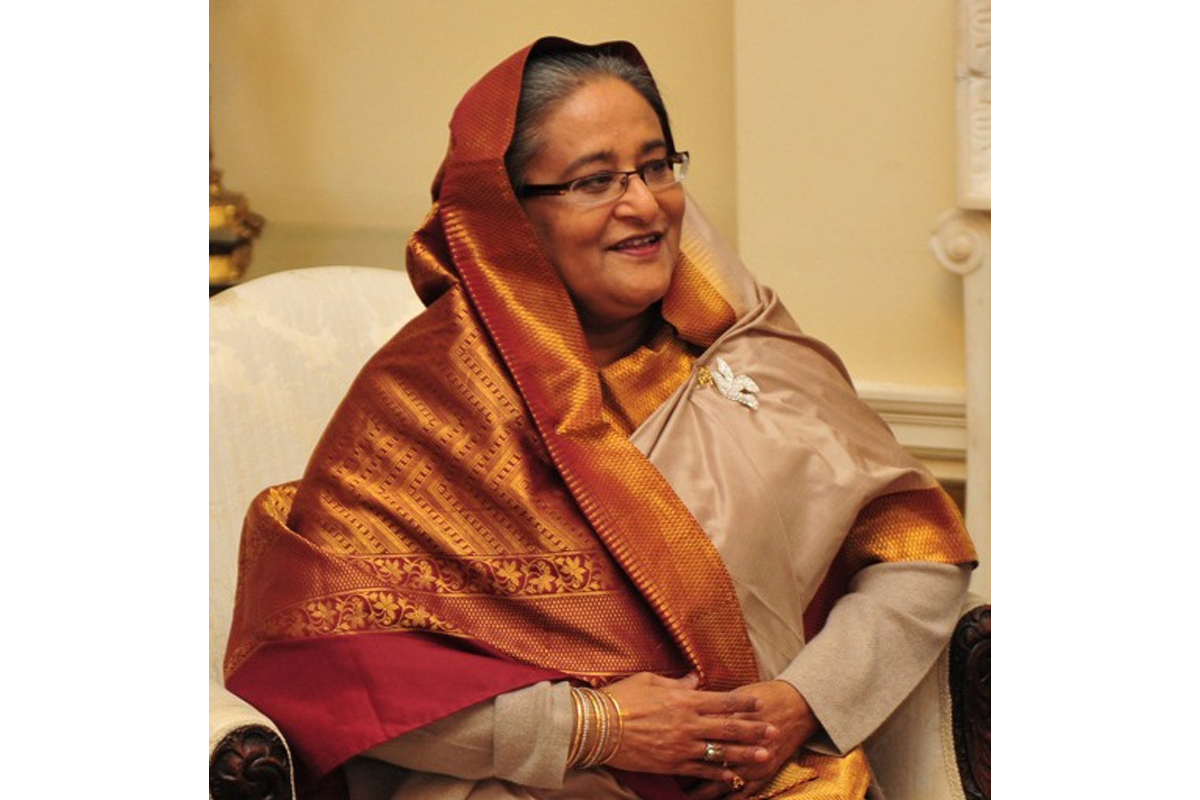
The announcement of verdicts by the International Crimes Tribunal (ICT) in Dhaka against former Bangladesh Prime Minister Sheikh Hasina and former Home Minister Asaduzzaman Khan marks a significant moment for victims of the grave human rights violations committed during the nationwide protests of 2024. The verdicts—delivered in absentia and involving charges of crimes against humanity—have generated intense national and international scrutiny, particularly concerning due process, accountability and the imposition of the death penalty.
A Turning Point After a Year of Turmoil
The ICT's decisions come more than a year after Bangladesh experienced one of the most turbulent periods in its recent history. Large-scale protests, reports of excessive use of force, widespread detentions and allegations of extrajudicial killings dominated global human rights reporting. Victims and their families have long demanded justice and recognition for the abuses committed during this period.
In February 2025, the Office of the UN High Commissioner for Human Rights (OHCHR) released a fact-finding report documenting patterns of lethal force, mass arrests, suppression of peaceful assembly and other serious violations. The report concluded that individuals in senior political and security leadership roles may have been responsible for command-level decisions that contributed to the abuses.
Following this report, the High Commissioner and other human rights experts called for comprehensive accountability based on international legal standards — a call that continues to guide their response to today's developments.
Concerns Over Fair Trial Standards
Although the ICT has long been empowered to prosecute grave crimes under international law, its proceedings have often drawn criticism for failing to fully comply with established international fair trial standards. The fact that these verdicts were issued in absentia has heightened concerns.
OHCHR underscored that accountability for international crimes — such as crimes against humanity — must be beyond question in terms of due process, impartiality and transparency. Trials in absentia are not prohibited under international law but require strict procedural safeguards, including the right to a retrial upon the accused's return and meaningful access to legal counsel.
The UN expressed regret that the process leading to these verdicts was not open to international monitoring. Transparency, they stressed, is essential in proceedings that involve life-and-death outcomes.
Opposition to the Death Penalty
A central issue raised by the High Commissioner is the imposition of capital punishment. OHCHR reaffirmed its unequivocal opposition to the death penalty in all cases, without exception. It noted that the irreversible nature of the punishment, combined with concerns about trial standards, raises serious human rights implications.
Bangladesh remains one of the countries that retains the death penalty for a range of offences, despite international pressure to establish a moratorium. Today's verdicts have reignited debate about the future of capital punishment in the country.
Towards Truth, Justice and Reconciliation
UN High Commissioner for Human Rights Volker Türk called on Bangladesh to seize this moment as an opportunity to initiate a broader, more inclusive path toward national healing. He urged the government to adopt a comprehensive approach that goes beyond criminal proceedings — one that prioritises truth-telling, reparations and institutional reform.
Key recommendations highlighted by the OHCHR include:
-
Transformative security sector reform, ensuring policing and military operations align with international human rights standards.
-
Independent mechanisms to investigate past abuses.
-
Effective reparation programmes for victims and affected families.
-
A national dialogue to restore trust in state institutions and strengthen democratic processes.
Türk reiterated that meaningful accountability requires more than verdicts; it requires structural change and public recognition of wrongdoing.
Call for Calm and Restraint
Given the politically charged nature of the verdicts, the High Commissioner appealed for calm across Bangladesh. OHCHR emphasised the importance of avoiding further violence, retaliation or political unrest. All parties — state authorities, political actors and civil society — were urged to act with restraint and prioritise the safety and rights of ordinary citizens.
International Support Available
The OHCHR reaffirmed its readiness to support the Government and the people of Bangladesh in building a rights-respecting justice system and a transparent reconciliation process. Whether through technical assistance, monitoring, or capacity-building programmes, the UN signalled its willingness to help Bangladesh move toward a more just and stable future.
ALSO READ
-
Mozambique Faces Fossil Fuel Trap; UN Expert Calls for Solar-Powered Future for All
-
Dora Moutot’s Conviction Sparks UN Expert’s Concern Over Women’s Safety and Free Speech
-
West Bank Checkpoints Are Taking Palestinian Time, Livelihoods and Lives, UN Expert Warns
-
Nicaragua’s Deepening Rights Crisis Prompts Urgent Call for OAS Action on Democracy
-
Bangladesh’s Deadliest Dengue Month Exposes the Cost of Gaps in Prevention and Hospital Capacity


 Google News