

Govt Marks a Productive Parliamentary Year with Major Legislative Progress
Chris Bishop highlighted that the Government’s legislative programme is a central driver of its wider economic and social agenda.
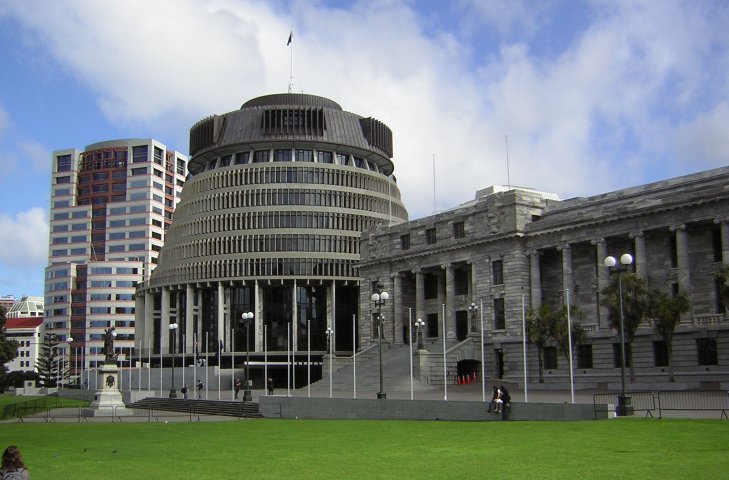
- Country:
- New Zealand
New Zealand's Parliament has wrapped up another active and highly productive year, with the Government advancing a wide range of legislation aimed at rebuilding the economy, restoring law and order, and easing pressures on households. Leader of the House Chris Bishop says the year's achievements reflect the Government's commitment to "fixing the basics and building the future."
Major Progress on Core Government Priorities
Chris Bishop highlighted that the Government's legislative programme is a central driver of its wider economic and social agenda. With inflation pressures still challenging households and key sectors, the Government has used this parliamentary year to focus on laws that support economic growth, reduce bureaucracy, improve public safety, and make everyday life more affordable.
In 2025 alone, 81 Government Bills passed their third readings, becoming law. In addition, 91 Government Bills completed their first reading, giving them the opportunity to progress through the full legislative process, while 79 Government Bills were reported back from select committees after detailed scrutiny.
Key Legislation Passed in 2025
The Government advanced several flagship reforms central to its policy priorities:
-
Budget 2025 Legislation & the Investment Boost InitiativeIntroduced a major tax incentive programme designed to stimulate business investment, lift productivity, drive economic growth, and increase wages for New Zealand workers.
-
UAE Comprehensive Economic Partnership Agreement (CEPA) LegislationStrengthened New Zealand's trade relationship with the United Arab Emirates, providing improved market access for Kiwi exporters, and supporting diversification of international trade partnerships.
-
Resource Management (Consenting and Other System Changes) Amendment BillStreamlined consenting processes for infrastructure and development projects, addressing long-standing delays within the resource management system.
-
Public Works (Critical Infrastructure) Amendment BillSimplified the approval framework for building essential infrastructure, a move expected to reduce delays, support economic development, and enhance national resilience.
-
Income Tax (FamilyBoost) Amendment BillDelivered additional financial assistance to tens of thousands of families to help cover early childhood education costs, supporting both household budgets and workforce participation.
A Landmark Constitutional Achievement
Bishop expressed particular pride in the unanimous passage of the Parliament Bill, describing it as a significant constitutional milestone. The reform modernises the laws that govern Parliament itself—a project developed over nearly a decade—and reinforces the foundations of New Zealand's democratic institutions.
Acknowledging the People Behind the Scenes
The Leader of the House also extended his thanks to the many teams that ensure Parliament functions seamlessly. These include the House Office, the Parliamentary Counsel Office, security staff, cleaners, chamber staff, reception, the Parliamentary Library, Hansard reporters, and members of the Business Committee. Special recognition was given to Deputy Leader of the House Hon Louise Upston for her contribution to managing the Government's parliamentary programme.
Looking Ahead to 2026 and the Remainder of the 54th Parliament
Parliament will return in January, with the Government expecting another productive year as it works to deliver on its commitments. Bishop said the momentum built in 2025 will continue as ministers and MPs work to advance legislation that supports economic stability, safer communities, and more efficient public services.
2025 Parliamentary Year: Key Statistics
-
55 Bills introduced– 35 Government Bills– 1 Local Bill– 1 Private Bill– 18 Members' Bills
-
105 First Readings completed– 91 Government Bills– 1 Local Bill– 1 Private Bill– 12 Members' Bills
-
88 Bills reported back from Select Committees– 79 Government Bills– 2 Local Bills– 7 Members' Bills
-
89 Third Readings passed– 81 Government Bills– 2 Local Bills– 4 Members' Bills
-
1,516 papers presented to the House by Ministers
-
79 Question Times– 946 Oral Questions answered– Thousands of supplementary questions
-
58,938 written parliamentary questions submitted to Ministers as of this morning


 Google News