

Paul Mashatile Urges Matriculants to Seize Govt-Supported Education, Skills and Employment Opportunities
Minister Gwarube described the results as a reflection of the collective efforts of educators, learners, families and communities across the country.
- Country:
- South Africa
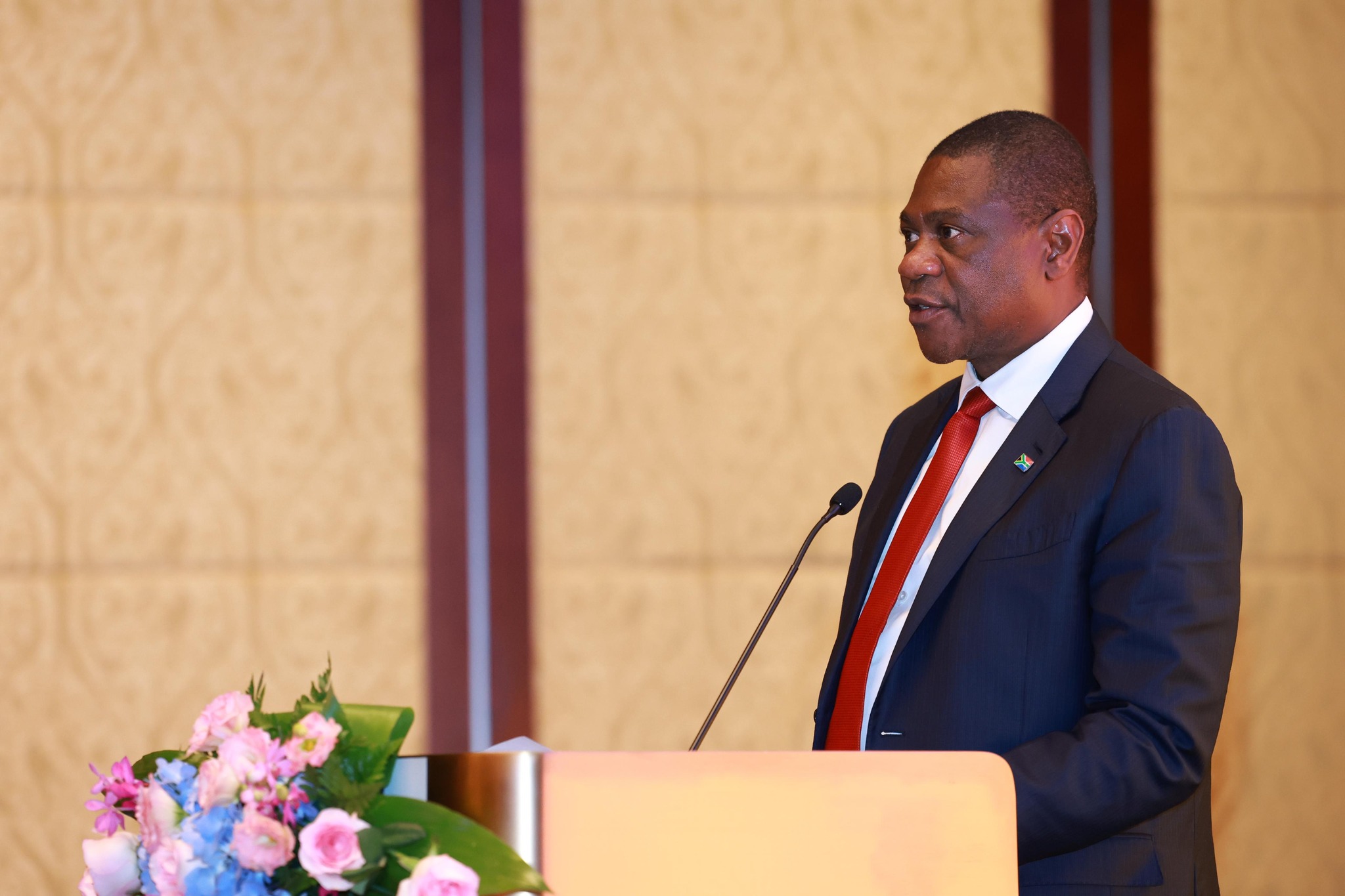
Deputy President Paul Mashatile has called on South Africa's newly qualified matriculants to actively utilise government-supported programmes designed to help young people transition into higher education, skills development and employment.
In a statement issued by the Office of the Deputy President, Mashatile reaffirmed government's commitment to investing in youth and expanding inclusive opportunities that enable young people to participate meaningfully in the economy and society.
Record-Breaking Matric Results for the Class of 2025
The call follows the announcement of the 2025 National Senior Certificate (NSC) examination results by Minister of Basic Education Siviwe Gwarube on Monday evening at the Mosaic Church in Randburg, Johannesburg.
Key highlights of the 2025 results include:
-
Highest-ever national pass rate of 88%, a 0.7 percentage point increase from 2024
-
More than 900 000 candidates wrote exams at approximately 6 000 centres nationwide
-
Over 656 000 learners passed the NSC
-
The majority of candidates were 18 years old
Minister Gwarube described the results as a reflection of the collective efforts of educators, learners, families and communities across the country.
"These results represent not merely numbers, but a testament to the collective efforts of educators, learners and communities nationwide," she said.
Improved Access and Focus on Quality Passes
The Minister highlighted significant progress in learner retention, noting that:
-
The proportion of learners unable to sit for any exam papers declined from about 17% in 2017 to around 2% in 2025
She also stressed the importance of quality passes, which determine access to post-school opportunities:
-
46% of candidates achieved Bachelor passes (down slightly from 48%)
-
Despite the percentage dip, the number of Bachelor passes increased by 8 700, reaching over 345 000 learners
-
28% of candidates achieved Diploma passes
-
13.5% obtained Higher Certificate passes
"These are passes that open doors to Bachelor's studies, Diploma studies and Higher Certificate studies," Gwarube emphasised.
Deputy President Congratulates the Class of 2025
Deputy President Mashatile congratulated the Class of 2025 on their achievement, praising their resilience and determination.
"The Deputy President commends the matriculants for their resilience, discipline and determination in reaching this important milestone, noting that their achievement represents both personal success and a critical contribution to the country's future development," the statement said.
Tackling Youth Unemployment Through Integrated Programmes
Mashatile reiterated government's focus on addressing youth unemployment, which he previously described as a national concern during a session of the National Council of Provinces (NCOP).
Government initiatives currently underway include:
-
Skills training and work experience opportunities
-
Support for entrepreneurship
-
Wage subsidies to improve labour market access
Expanded Public Works Programme (EPWP)
Cabinet approved Phase V of the Expanded Public Works Programme (EPWP) in February 2024, with the aim of:
-
Creating five million work opportunities between April 2024 and March 2029
-
Operating on an estimated R178 billion budget over five years
The programme focuses on mass employment projects such as:
-
Road maintenance and pothole repairs
-
Public infrastructure development
-
Public space beautification
-
Waste management
-
Social services
Skills Development and National Partnerships
The Deputy President highlighted collaboration with social partners, the private sector and educational institutions through:
-
The National Skills Development Plan
-
The National Skills Fund
These initiatives aim to equip young people and marginalised groups with market-relevant skills to stimulate job creation.
Through the Human Resource Development Council (HRDC), chaired by Mashatile, government works with business, labour and civil society to implement a coordinated national response to youth unemployment.
National Youth Service and Sectoral Opportunities
Mashatile also noted the SANDF-led National Youth Service Programme, developed by the Department of Women, Youth and Persons with Disabilities in partnership with the Department of Defence. The programme seeks to empower youth, women and persons with disabilities as emerging industrialists in sectors such as:
-
Agriculture
-
Energy security
-
Aerospace and maritime industries
-
Digital economy
-
Defence
"We are committed to moving from fragmented efforts to an integrated national programme that encompasses skills development, economic opportunity, workplace experience, entrepreneurship support, soft skills and civic education," Mashatile said.
Key Government-Supported Programmes for Youth
Young people are encouraged to explore the following opportunities:
-
National Youth Service Programme (NYSP) – Community service and skills development
-
Youth Employment Service (YES) – Paid 12-month work experience for youth aged 18–35
-
Presidential Youth Employment Initiative (PYEI) – Short-term work and skills opportunities via SAYouth.mobi
-
Expanded Public Works Programme (EPWP) – Temporary employment with training
-
National Youth Development Agency (NYDA) – Entrepreneurship support, grants and mentorship
-
Young Creatives Programme (TYCP) – Support for youth in arts and culture
-
SETAs – Learnerships and sector-specific skills training
-
TVET colleges and skills funds – Technical and vocational education pathways
Investing in Youth for National Development
Deputy President Mashatile concluded by emphasising that empowering young people through education, skills and employment is central to South Africa's long-term development and economic growth, urging matriculants to take full advantage of the opportunities available to them.
ALSO READ
-
Angola’s Development Gains Bring Power, Water and New Opportunities to Millions
-
Cambodia’s Career Fair Draws Young Jobseekers to Explore 35,000 Opportunities
-
World Bank Backs Tonga’s Push for Better Jobs and Business Growth With $15M Grant
-
ADB Approves $100 Million to Build Job Skills for Young Sri Lankans
-
Kosovo’s Hospitality Skills Gap Holds Back Tourism Growth and Decent Jobs for Youth


 Google News