

U.S. Intervention in Sri Lanka Intensifies Tensions with Iran
The U.S. has urged Sri Lanka not to repatriate survivors from an Iranian warship sunk by a U.S. submarine near Sri Lanka, as well as the crew of a second detained Iranian ship. This marks a major geographic escalation in tensions with Iran, emphasizing the global impact.
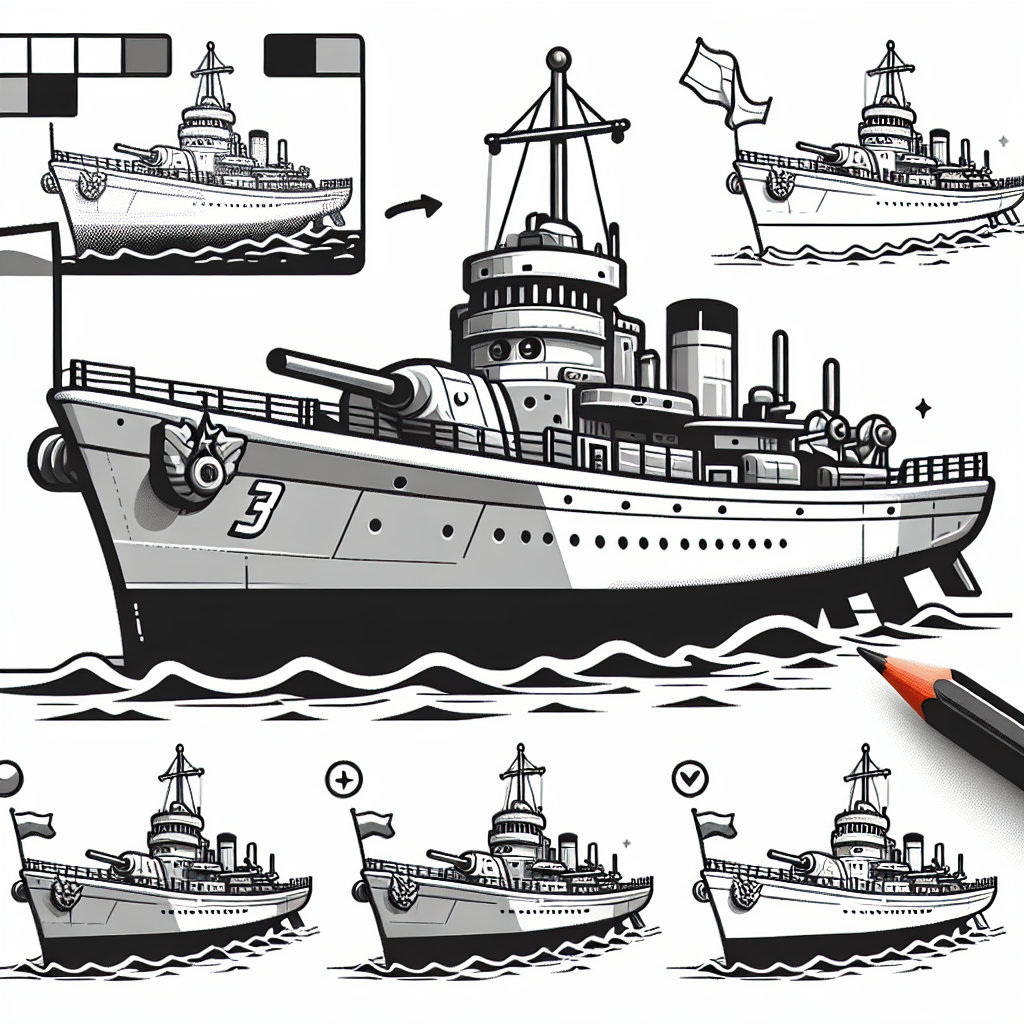
The United States is urging Sri Lanka not to repatriate crew members of two Iranian ships involved in recent naval clashes, according to an internal State Department cable leaked to Reuters. A U.S. submarine sank the Iranian frigate Dena in the Indian Ocean this week, resulting in numerous casualties and a significant escalation of U.S-Iran tensions.
Following the incident, Sri Lanka began offloading 208 crew members from a second Iranian ship, Booshehr, held in their exclusive economic zone. President Anura Kumara Dissanayake stated that Sri Lanka has a humanitarian obligation to assist the surviving crew. The geopolitical ramifications of these actions are profound, as they reflect the widening geographic scope of the conflict with Iran.
The U.S. has stressed that the Dena survivors and Booshehr crew should not be repatriated to Iran, fearing they might be used for propaganda. Nonetheless, Sri Lanka retains sovereignty in resolving the issue while engaging in dialogue with the U.S. to manage the threat posed by Iran.


 Google News