

KZN Positions Richards Bay as Energy Hub with R123 Billion Investment Pipeline
KwaZulu-Natal is moving to position Richards Bay as a strategic energy and industrial hub, leveraging its existing port infrastructure, industrial base and logistics networks.
- Country:
- South Africa
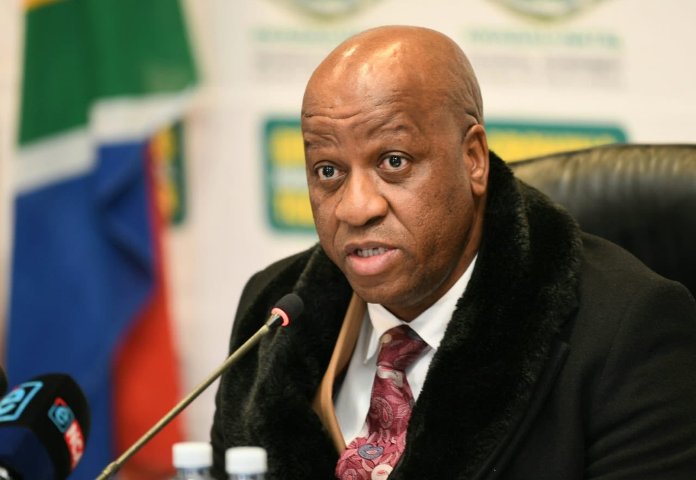
KwaZulu-Natal Premier Thamsanqa Ntuli has called for stronger collaboration between government, industry and investors to accelerate energy investment and industrial development as the province positions itself as a major energy hub.
Speaking at the inaugural KwaZulu-Natal Energy Indaba underway in Richards Bay, Ntuli emphasised that reliable and affordable energy will be critical to unlocking economic growth, expanding industrial capacity and creating jobs across the province.
The two-day event, hosted at Thembela Venue in Richards Bay, is being convened by the Office of the Premier together with Economic Development, Tourism and Environmental Affairs (EDTEA) MEC Musa Zondi, in partnership with the Richards Bay Industrial Development Zone (RBIDZ).
The indaba has brought together representatives from national and provincial government, State-owned enterprises, energy producers, investors, development finance institutions and industry experts to explore solutions to energy security challenges and catalyse new investment.
Richards Bay Emerging as a National Energy Hub
KwaZulu-Natal is moving to position Richards Bay as a strategic energy and industrial hub, leveraging its existing port infrastructure, industrial base and logistics networks.
According to Premier Ntuli, the Richards Bay Industrial Development Zone is attracting large-scale investment in emerging energy sectors, including:
-
Gas-to-power generation
-
Renewable energy manufacturing
-
Green hydrogen production
-
Energy storage technologies
Energy-related projects currently make up more than 77% of the RBIDZ investment pipeline, representing approximately R123 billion of the zone's R140 billion total investment portfolio.
"This positions Richards Bay as one of the most important centres for energy investment and industrial expansion in the country," Ntuli said.
Major 3 000MW Gas-to-Power Project Gains Momentum
Among the key initiatives highlighted at the indaba is the proposed 3 000MW gas-to-power project planned for Richards Bay, which is expected to make a significant contribution to stabilising electricity supply in KwaZulu-Natal and across South Africa.
Gas-to-power infrastructure is increasingly viewed as a transitional energy solution capable of supporting the country's move towards a more diversified and resilient energy mix while reducing dependence on coal-fired power generation.
The project is also expected to stimulate related investments in gas infrastructure, port logistics and energy-intensive industries in the region.
Energy Security Central to Economic Growth Strategy
Ntuli stressed that energy security will remain a cornerstone of KwaZulu-Natal's long-term development strategy, particularly as government advances the KwaZulu-Natal Secondary Cities Programme.
The programme aims to develop new economic growth centres beyond major metros by strengthening industrial capacity and infrastructure in strategic towns and cities across the province.
"Reliable energy supply is fundamental to expanding manufacturing, attracting new industries and supporting sustainable economic development," Ntuli said.
Building Skills for the Energy Economy
Recognising the need for a skilled workforce to support emerging industries, the provincial government is strengthening partnerships between universities, Technical and Vocational Education and Training (TVET) colleges and industry.
These partnerships aim to equip young people with the technical skills required for employment in fast-growing sectors such as:
-
Hydrogen technologies
-
Renewable energy systems
-
Advanced manufacturing
-
Energy infrastructure development
Government believes these initiatives will help ensure that local communities benefit from new investment opportunities in the energy sector.
Advancing a Just Energy Transition
Ntuli reaffirmed the province's commitment to South Africa's Just Energy Transition, emphasising that the shift toward cleaner energy must balance environmental sustainability with economic stability.
He noted that the transition must protect industrial competitiveness, maintain energy security and create new economic opportunities, particularly for workers and young people.
Strengthening Partnerships to Unlock Investment
The Premier concluded by urging investors, development partners and industry leaders to work closely with government to unlock the province's energy potential.
He described the KwaZulu-Natal Energy Indaba as a critical platform for building partnerships, mobilising investment and positioning the province as a leading energy centre on the African continent.
Energy as the Backbone of the Economy
EDTEA MEC Musa Zondi said the indaba comes at a crucial moment as the province works to build a resilient and sustainable energy system under the theme "Driving KwaZulu-Natal's Energy Future."
Zondi emphasised that the province's energy strategy will focus on availability, accessibility, affordability and sustainability, while addressing socio-economic challenges such as poverty and inequality.
"Energy is not simply an input into production; it is the backbone of manufacturing, logistics, value-addition industries and every component of our modern economy," Zondi said.
"For communities, access to energy unlocks dignity, safety, education, health and entrepreneurship."
Through initiatives like the Energy Indaba, KwaZulu-Natal aims to strengthen collaboration between the public and private sectors to drive long-term industrialisation and economic growth.


 Google News