

Kruger National Park at 100: A Century of Conservation, Community and Coexistence
Today, Kruger National Park welcomes nearly two million visitors annually, maintaining its position as one of Africa’s premier safari destinations.
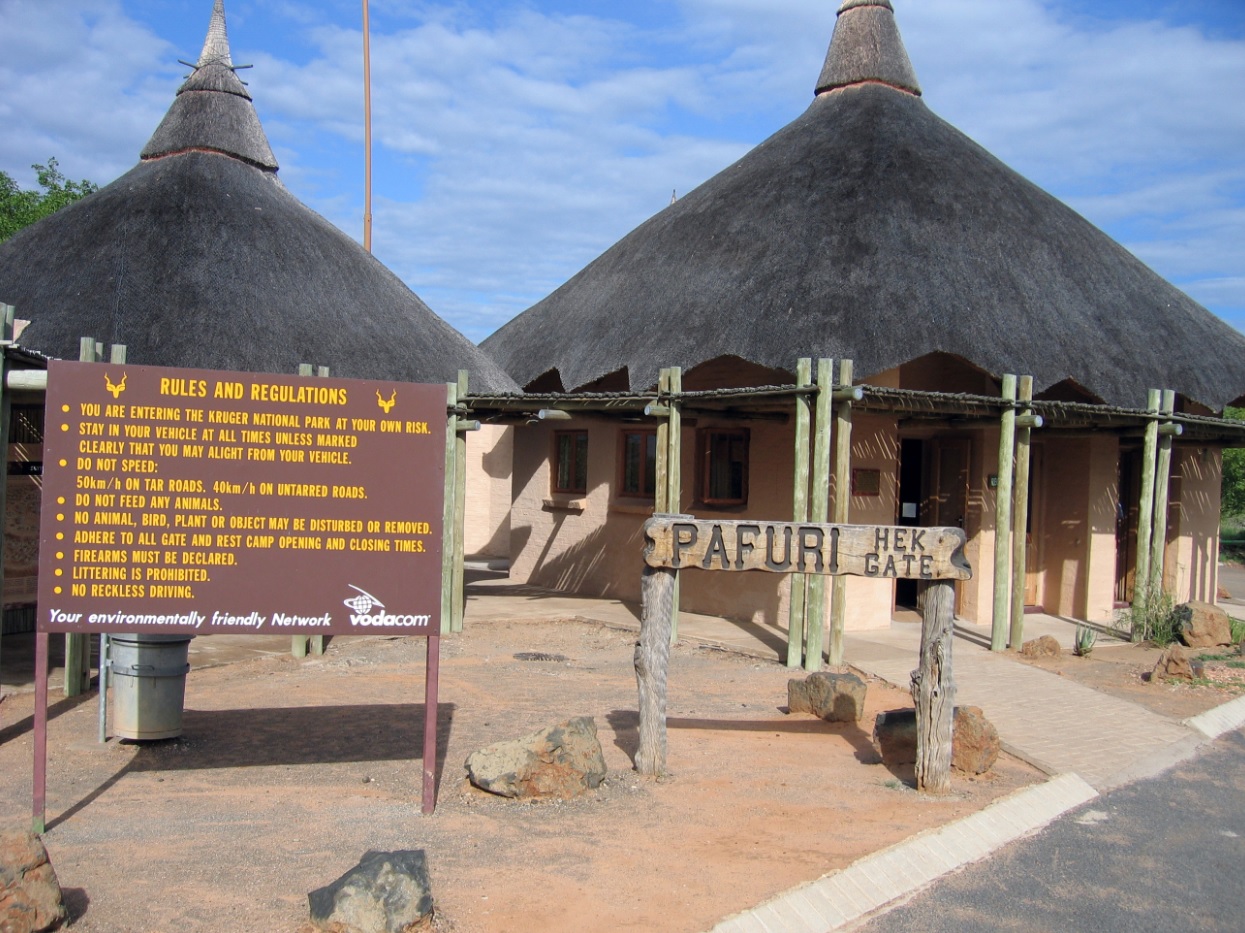
- Country:
- South Africa
By Niko Allie
As South Africa prepares to celebrate one of its most iconic natural treasures, the Kruger National Park (KNP) stands on the threshold of a historic milestone — 100 years of conservation excellence since its formal establishment in 1926.
For generations of South Africans and international visitors alike, Kruger has served as a gateway to the wild — a place where the rhythm of nature unfolds in its purest form and where encounters with the legendary Big Five leave lasting impressions. But beyond its scenic beauty and biodiversity, the park's centenary marks a deeper story — one of resilience, transformation, and the evolving relationship between people and nature.
A Global Safari Destination Rooted in Local Pride
Today, Kruger National Park welcomes nearly two million visitors annually, maintaining its position as one of Africa's premier safari destinations. What sets it apart is not only its global appeal, but its strong domestic footprint — approximately 80% of visitors are South African residents, reflecting a deep national connection to this conservation landmark.
In recent years, the park has also seen growing interest from neighbouring Southern African Development Community (SADC) countries, with many travellers visiting as day tourists — a trend that underscores Kruger's regional significance.
Economic Engine Beyond Conservation
While Kruger is globally recognised for its biodiversity, it is equally vital as an economic driver within South Africa's tourism ecosystem.
The park contributes hundreds of millions of rand to the economy, with tourism revenue exceeding R800 million, alongside strong and consistent performance in accommodation revenue streams. These revenues support thousands of jobs, sustain local businesses, and create opportunities in surrounding communities.
From hospitality workers and tour operators to informal traders and transport providers, the economic ripple effect of Kruger extends far beyond its gates — reinforcing the idea that conservation and development can coexist.
A Biodiversity Powerhouse
Kruger's ecological significance is unparalleled. The park is home to:
-
147 mammal species, including the iconic Big Five
-
More than 500 bird species
-
Diverse populations of reptiles, amphibians, and plant life
As part of the Great Limpopo Transfrontier Park, Kruger also plays a key role in a cross-border conservation network spanning Mozambique and Zimbabwe, enhancing ecological connectivity and regional biodiversity preservation.
Balancing Conservation and Social Realities
Kruger's journey over the past century has not been without complexity. The park exists within a broader socio-economic landscape shaped by inequality, historical dispossession, and ongoing calls for inclusion.
Communities living adjacent to the park continue to seek greater economic participation and cultural recognition, making inclusive development a central theme of the centenary.
The milestone offers an opportunity to strengthen ties between:
-
Park management and staff
-
Local communities
-
Visitors and conservation stakeholders
By fostering collaboration, Kruger can evolve into a more inclusive model of conservation — one that benefits both biodiversity and people.
Climate Change: A Growing Threat
Like many natural ecosystems worldwide, Kruger is increasingly feeling the effects of climate change.
Shifting rainfall patterns, prolonged droughts, and drying waterholes are placing mounting pressure on wildlife and habitats. Severe weather events, now more frequent across South Africa, have become part of the park's evolving narrative.
These challenges highlight the urgent need for:
-
Adaptive conservation strategies
-
Sustainable water management
-
Long-term environmental monitoring
Securing the Future: Investment and Protection
Looking ahead, ensuring Kruger's sustainability will require innovative thinking and sustained investment.
Key priorities include:
-
Expanding community-led tourism initiatives to drive local economic inclusion
-
Strengthening anti-poaching operations to protect endangered species
-
Enhancing infrastructure and visitor experiences while preserving ecological integrity
These efforts are essential not only for protecting wildlife but also for ensuring that surrounding communities share in the benefits of conservation.
A Living Monument of Coexistence
Often described as the jewel of South Africa's wildlife offerings, Kruger National Park stands as a living testament to the delicate balance between humans and nature.
Its centenary is more than a celebration — it is a moment of reflection and renewal. It reminds us that conservation is not static but an evolving journey shaped by environmental, social, and economic forces.
For every visitor who passes through its gates, Kruger offers more than just sightings of wildlife — it instils a deeper appreciation for nature and a shared responsibility to protect it.
A Century of Legacy, A Future of Possibility
As Kruger marks 100 years, it enters its next chapter with both pride and purpose. The park's story — rich with triumphs and challenges — reflects the broader South African narrative of resilience and transformation.
In an ever-changing world, Kruger stands as proof that humans and nature can coexist — and thrive together.
Its next century will depend on collective action, sustained commitment, and a shared vision for a future where conservation, community, and development move forward hand in hand.


 Google News