

Ramaphosa Rejects Xenophobia Claims as Anti-Immigration Protests Spread
According to Magwenya, the protests and broader migration concerns were discussed during a recent working visit to South Africa by Mozambican President Daniel Chapo.
- Country:
- South Africa
South African President Cyril Ramaphosa has rejected claims that South Africans are xenophobic, while warning that law enforcement agencies must act decisively against violence linked to growing anti-immigration protests spreading across several major cities.
The remarks, delivered through Presidential spokesperson Vincent Magwenya during a media briefing on Wednesday, come amid increasing demonstrations targeting undocumented immigrants and mounting public debate over migration pressures, border management and economic strain in South Africa.
The issue has rapidly evolved into one of the country's most politically sensitive challenges, with concerns growing over social tensions, unemployment, crime perceptions and pressure on public services.
Ramaphosa and Mozambican President Discuss Migration Tensions
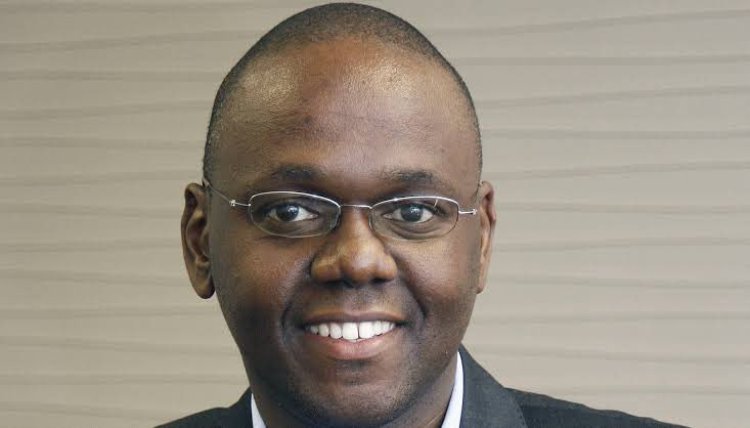
According to Magwenya, the protests and broader migration concerns were discussed during a recent working visit to South Africa by Mozambican President Daniel Chapo.
The discussions between the two leaders focused not only on the protests themselves, but also on the wider regional drivers of migration affecting Southern Africa and the continent as a whole.
"The matter was discussed yesterday between President Chapo and President Ramaphosa and they both agreed that South Africans are not xenophobic," Magwenya told reporters.
"What you have are pockets of protest which are permissible within our constitutional framework."
He stressed that while public demonstrations are protected under South Africa's constitutional order, violence and intimidation would not be tolerated.
Government Calls for Peaceful Protests
The Presidency acknowledged that immigration has become a major pressure point in South Africa, reflecting broader global debates around migration, border security and economic displacement.
Magwenya noted that concerns over immigration are not unique to South Africa, pointing to similar tensions emerging across multiple countries worldwide.
However, he emphasized that protests must remain peaceful and respect the rights and safety of all individuals living within South Africa's borders.
"What is important from our perspective is obviously respecting the rights of everybody that is within our borders and, when we protest, to do so peacefully without causing harm to anybody," he said.
The statement comes as authorities monitor demonstrations in various urban centres where some protesters have accused undocumented migrants of contributing to unemployment, pressure on housing, crime and overstretched public resources.
Ramaphosa Expects Law Enforcement Action Against Violence
Magwenya said President Ramaphosa expects police and security agencies to intervene wherever protests turn violent or threaten public safety.
The Government has faced increasing scrutiny in recent years over periodic outbreaks of anti-foreigner violence, particularly in densely populated urban communities where economic frustrations and social tensions are high.
"President Ramaphosa expects law enforcement to play its role to prevent any acts of violence against any individual," Magwenya said.
Security analysts warn that failure to contain isolated violence could risk escalating tensions both domestically and diplomatically, particularly with neighbouring countries whose citizens live and work in South Africa.
Migration Pressures Becoming Continental Challenge
The Presidency also framed migration as a broader African issue linked to political instability, conflict and governance challenges across parts of the continent.
According to Magwenya, both Presidents agreed that African nations must work collectively to address the root causes driving large-scale migration flows.
"Yesterday, both President Chapo and President Ramaphosa also agreed that the continent needs to work together to address the issues that are behind these levels of migration that we see across our continent," he said.
Among the factors identified were:
-
armed conflict
-
political instability
-
economic hardship
-
governance failures
-
insecurity
-
lack of economic opportunities
Officials acknowledged that these conditions are forcing increasing numbers of people to seek refuge and economic opportunities in more stable regional economies such as South Africa.
South Africa Under Growing Economic and Social Pressure
South Africa remains one of Africa's largest and most industrialised economies, attracting migrants from across the continent seeking employment, safety and better living conditions.
However, the country is also grappling with:
-
extremely high unemployment
-
slow economic growth
-
rising living costs
-
infrastructure challenges
-
energy instability
-
increasing public frustration over service delivery
Migration has increasingly become a politically charged issue, particularly in poorer urban communities where competition for jobs, housing and informal economic opportunities is intense.
Political parties and civil society groups remain deeply divided on how the Government should respond to undocumented migration and border control concerns.
Government Rejects "Xenophobic" Characterisation
Despite the rising tensions, the Presidency strongly rejected efforts to portray South Africans broadly as xenophobic.
Magwenya stressed that South Africa remains an open and welcoming society despite isolated incidents and localised protests.
"The President did emphasise that South Africa is a welcoming country, that South Africans are open, friendly and warm people," he said.
"We will reject any notion that seeks to characterise this country or its people as being xenophobic."
The Government's position appears aimed at balancing domestic political pressures over immigration with the need to preserve regional diplomatic relations and South Africa's international image.
Regional Cooperation Likely to Intensify
The discussions between Presidents Ramaphosa and Chapo suggest that regional cooperation on migration management may become increasingly important in Southern Africa.
Analysts say future cooperation could involve:
-
border management coordination
-
labour migration agreements
-
regional economic development initiatives
-
conflict prevention efforts
-
refugee management frameworks
-
stronger diplomatic engagement within the African Union and SADC
The issue is expected to remain politically sensitive in South Africa as economic pressures continue and migration debates intensify ahead of future political and policy discussions.
Observers warn that maintaining social cohesion while addressing legitimate concerns over migration management will likely become one of the Government's most difficult balancing acts in the coming years.


 Google News