

SA Hails R2.4 Billion Senqu Bridge as Milestone in Lesotho Highlands Water Project
The Senqu Bridge forms part of the broader Lesotho Highlands Water Project — a multi-phase treaty-based partnership established between South Africa and Lesotho on 24 October 1986.
- Country:
- South Africa
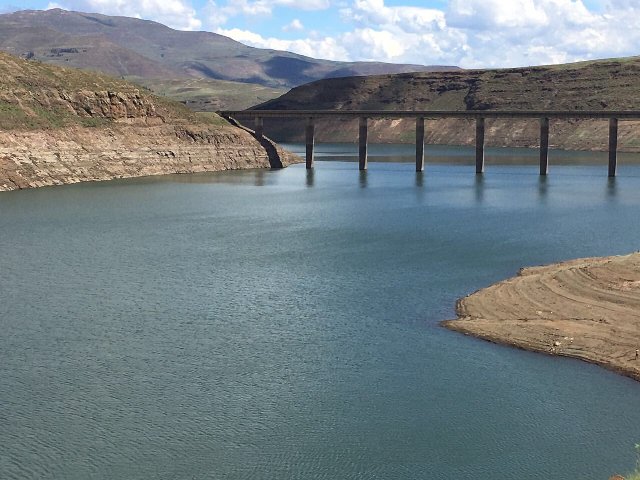
South Africa's Cabinet has hailed the newly launched Senqu Bridge in Mokhotlong, Lesotho, as a major engineering and regional development milestone under Phase II of the Lesotho Highlands Water Project (LHWP), one of Africa's most significant cross-border infrastructure partnerships.
The bridge, officially launched last month in the Kingdom of Lesotho, is expected to play a critical role in strengthening transport connectivity, supporting regional economic integration and ensuring uninterrupted access to remote mountain communities once the Polihali Reservoir becomes operational.
Speaking during a post-Cabinet media briefing on Thursday, Minister in the Presidency Khumbudzo Ntshavheni described the project as a landmark achievement that reflects the deep strategic cooperation between South Africa and Lesotho.
Strategic Infrastructure for Regional Water Security
The Senqu Bridge forms part of the broader Lesotho Highlands Water Project — a multi-phase treaty-based partnership established between South Africa and Lesotho on 24 October 1986.
The LHWP was designed to address multiple strategic objectives including:
-
regional water security
-
hydropower generation
-
economic development
-
infrastructure expansion
-
tourism promotion
-
irrigation support
The project is widely regarded as one of the largest and most ambitious water infrastructure programmes on the African continent.
Critical Role in South Africa's Water Supply
According to Cabinet, the LHWP remains essential for ensuring long-term water supply security for South Africa, particularly Gauteng province and the Vaal River system.
"The Lesotho Highlands Water Project ensures Gauteng has access to bulk water through the Vaal Water system whilst Lesotho generates hydropower and supports the provision of potable water, irrigation, fisheries, and the promotion of tourism," Ntshavheni said.
The project has become increasingly important as South Africa faces mounting pressure from:
-
rising urban water demand
-
climate variability
-
ageing infrastructure
-
municipal water system failures
-
recurring drought concerns
Senqu Bridge Largest Crossing Under Phase II
The newly completed Senqu Bridge is the largest of three major bridge crossings being developed under Phase II of the Lesotho Highlands Water Project.
Key specifications include:
-
estimated project cost: R2.4 billion
-
length: approximately 825 metres
-
height: around 90 metres above the river valley
The bridge is specifically designed to maintain regional connectivity after rising water levels from the future Polihali Reservoir inundate existing routes.
Officials say the structure will ensure uninterrupted access to:
-
Mokhotlong
-
Sani Pass
-
surrounding mountain communities
once reservoir operations commence.
Engineering and Connectivity Importance
The bridge represents a major engineering undertaking in one of Southern Africa's most mountainous and logistically challenging regions.
Experts say the project is strategically important because it preserves transport links and socio-economic access for communities that could otherwise become isolated by reservoir expansion.
The bridge is expected to support:
-
regional mobility
-
trade access
-
tourism connectivity
-
public service delivery
-
construction logistics
-
local economic activity
South Africa Invests Heavily in Lesotho Infrastructure
Cabinet highlighted that the Lesotho Highlands Water Project has already delivered substantial economic benefits to Lesotho beyond water and energy generation.
According to Ntshavheni:
-
South Africa has constructed hundreds of kilometres of roads in Lesotho
-
infrastructure upgrades have improved access to remote dam sites
-
Lesotho receives approximately R3.8 billion annually in royalty payments
The royalties contribute significantly to Lesotho's national fiscus and broader economic development.
Industry observers note that the LHWP remains one of the most economically significant bilateral partnerships in the region.
Hydropower and Economic Development Benefits for Lesotho
While South Africa benefits primarily through bulk water transfers, Lesotho gains through:
-
hydropower generation
-
infrastructure investment
-
royalties
-
employment opportunities
-
tourism growth
-
improved local services
The project has become central to Lesotho's economic planning and national development strategy.
Officials say the infrastructure investments associated with the LHWP are also improving long-term connectivity and economic inclusion in remote mountain regions.
Ramaphosa Highlights Deep Bilateral Partnership
President Cyril Ramaphosa attended the official launch ceremony of the bridge last month, where he described the project as a symbol of the strong relationship between South Africa and Lesotho.
The bridge was presented as evidence of:
-
regional cooperation
-
shared development goals
-
cross-border infrastructure collaboration
-
long-term strategic partnership
The two countries have historically maintained close political, economic and infrastructural ties.
Water Crisis Raises Importance of LHWP
The importance of the Lesotho Highlands Water Project has grown further amid South Africa's worsening domestic water challenges.
Just last week, President Ramaphosa called for urgent coordinated action across all spheres of government to address South Africa's deepening water crisis.
He warned that:
-
poor municipal performance
-
ageing infrastructure
-
inadequate maintenance
-
water management failures
are increasingly burdening ordinary citizens and threatening long-term water security.
Against this backdrop, projects like the LHWP are viewed as strategically critical for stabilising future water supply systems.
Phase II of LHWP Expanding Strategic Capacity
Phase II of the Lesotho Highlands Water Project includes major infrastructure developments such as:
-
Polihali Dam
-
water transfer tunnels
-
roads and bridges
-
transmission infrastructure
-
associated support facilities
The phase is expected to significantly increase water transfer capacity to South Africa while further expanding economic benefits for Lesotho.
Construction activities under the project have already generated:
-
employment opportunities
-
local procurement activity
-
infrastructure improvements
-
regional economic stimulation
Regional Cooperation Seen as Model for Africa
Analysts often cite the LHWP as one of Africa's most successful examples of long-term cross-border infrastructure and resource-sharing cooperation.
The treaty-based arrangement demonstrates how neighbouring countries can collaborate on:
-
water management
-
energy generation
-
infrastructure development
-
economic integration
-
environmental sustainability
Experts note that as climate change intensifies water pressures across the continent, cooperative transboundary water projects may become increasingly important.
Infrastructure and Water Security Becoming Strategic Priorities
Southern Africa faces mounting challenges related to:
-
climate change
-
water scarcity
-
urbanisation
-
infrastructure stress
-
energy insecurity
Projects such as the LHWP are therefore increasingly viewed not only as engineering ventures but as strategic instruments for:
-
regional resilience
-
economic stability
-
social development
-
long-term sustainability
The completion of the Senqu Bridge is being seen as another major milestone in strengthening the broader regional infrastructure architecture linking South Africa and Lesotho.


 Google News