

SA and Lesotho to Unveil Senqu Bridge, Advancing Lesotho Highlands Water Project
Progress on Phase II is advancing steadily, with the Polihali Dam now over 50% complete and tunnelling works approaching the halfway stage.
- Country:
- South Africa
South Africa and the Kingdom of Lesotho are set to officially unveil the Senqu Bridge on 22 April 2026, marking a major milestone in Phase II of the multi-billion-rand Lesotho Highlands Water Project (LHWP), one of Africa's most ambitious cross-border infrastructure initiatives.
Constructed at an estimated cost of R2.4 billion, the Senqu Bridge stands as the largest of three major crossings being developed under the project and is poised to become a critical transport lifeline for communities in Lesotho's highlands.
A Critical Link Across a Transforming Landscape
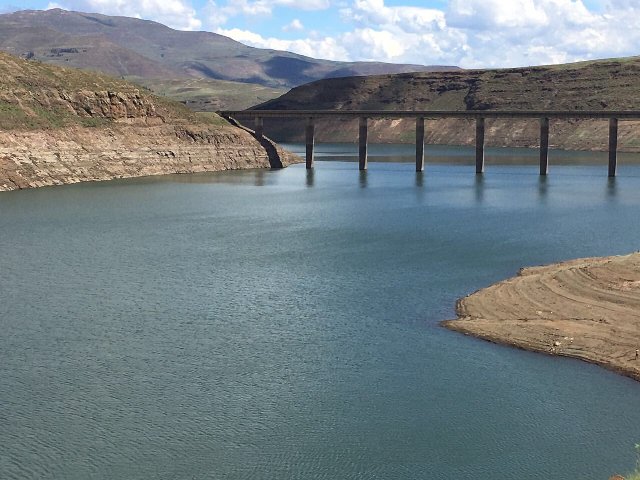
Spanning approximately 825 metres in length and rising about 90 metres above the Senqu River valley, the bridge will ensure uninterrupted connectivity across the future Polihali Reservoir—an area where existing routes will be submerged once the dam is completed.
The structure will maintain vital access to the A1 national route, linking Mokhotlong to the capital, Maseru, and ensuring that communities remain connected to essential services, trade routes, and economic hubs.
Officials have described the bridge as a "legacy infrastructure asset," designed not only for immediate transport needs but also for long-term resilience as the region undergoes significant environmental and infrastructural transformation.
Engineering Innovation in Challenging Terrain
The Senqu Bridge represents a significant engineering achievement in one of Southern Africa's most rugged landscapes. It is the first extradosed bridge in Lesotho—a hybrid design combining elements of cable-stayed and prestressed girder systems—constructed using advanced incremental launching techniques to enhance safety and minimize environmental impact.
Beyond its technical complexity, the project has delivered substantial socio-economic benefits. Construction generated around 250,000 person-days of employment, with a peak workforce of approximately 1,200 workers, the majority being Basotho nationals.
Procurement strategies also prioritized inclusivity, channeling significant investment into local enterprises, including South African black-owned firms, thereby strengthening regional economic participation.
Part of a Strategic Water Security Initiative
The bridge is a key component of Phase II of the Lesotho Highlands Water Project, a treaty-based partnership established in 1986 between South Africa and Lesotho to address water security, energy generation, and socio-economic development.
The LHWP harnesses the Orange–Senqu River system to transfer water to South Africa's Integrated Vaal River System, which supplies Gauteng—the country's economic heartland. In return, Lesotho benefits from hydropower generation, infrastructure development, and water royalties.
Phase II includes:
-
The construction of the 165-metre-high Polihali Dam
-
A 38-kilometre transfer tunnel linking Polihali and Katse reservoirs
-
Supporting infrastructure such as bridges, roads, and power systems
Once completed, the phase will increase water supply capacity from 780 million cubic metres to approximately 1.27 billion cubic metres annually, significantly enhancing long-term water security for South Africa.
Momentum Builds with Major Construction Milestones
Progress on Phase II is advancing steadily, with the Polihali Dam now over 50% complete and tunnelling works approaching the halfway stage.
Ahead of the bridge inauguration, ministers from both countries are also set to unveil a Tunnel Boring Machine (TBM) at the Polihali site—a crucial step in accelerating construction of the transfer tunnel.
A Model of Regional Cooperation
The LHWP is widely regarded as a flagship example of regional integration in Africa, demonstrating how shared natural resources can be managed through long-term cooperation and institutional frameworks.
As infrastructure like the Senqu Bridge comes online, the project is expected to deliver far-reaching benefits:
-
Improved regional connectivity and mobility
-
Enhanced access to services for remote communities
-
Job creation and local economic development
-
Strengthened water and energy security
Looking Ahead
The completion and commissioning of the Senqu Bridge signals not just progress in construction, but a broader advancement in regional development ambitions. As Phase II moves closer to completion, the LHWP continues to stand as a cornerstone of sustainable infrastructure development and cross-border collaboration in Africa.


 Google News