

Yellow-Legged Hornet Eradication Effort Shows Strong Progress in Auckland
Biosecurity Minister Andrew Hoggard says Biosecurity New Zealand’s intensive response operation remains on track after more than six weeks without any new hornet or nest detections.
- Country:
- New Zealand
New Zealand's campaign to eradicate the invasive yellow-legged hornet from Auckland is making strong progress, with officials increasingly confident the destructive pest can be successfully eliminated from the country.
Biosecurity Minister Andrew Hoggard says Biosecurity New Zealand's intensive response operation remains on track after more than six weeks without any new hornet or nest detections.
"It's been more than six weeks since we've found a hornet or nest – that's encouraging," Mr Hoggard said.
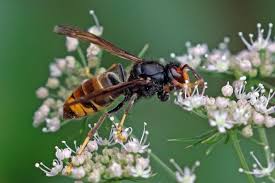
The yellow-legged hornet, considered a serious invasive species internationally, poses major risks to honeybee populations, biodiversity, and primary industries if allowed to establish itself in New Zealand.
Positive Signs for Eradication Effort
Officials say the absence of new hornet activity during autumn is a particularly promising sign.
At this time of year, mated queen hornets would normally still be active as they feed before entering winter hibernation.
The fact that no new hornets have been detected despite widespread surveillance, trapping, and field searches has strengthened confidence that the infestation may have been successfully contained within a small section of Auckland's North Shore.
"Not seeing any activity, despite intensive searching and trapping – and finding hornets only within a small part of the North Shore – are both positive signs," the Minister said.
However, authorities caution that the operation is not over and continued vigilance will remain essential for several years.
Biosecurity New Zealand says at least two years of surveillance with no further detections will be required before official eradication can be declared.
Winter Phase of Response Begins
As winter approaches, the biosecurity operation is now shifting into a new phase.
By late autumn, worker hornets and males naturally die off, while any surviving fertilised queens enter hibernation during winter before emerging in spring to establish new nests.
Officials say traps and monitoring systems will remain active throughout surveillance zones across Auckland, although some of the most intensive search operations will now be scaled back during the colder months.
"We'll keep traps in place and continue monitoring across the surveillance zones, but we'll scale back the most intensive field searching," Mr Hoggard said.
Over winter, response teams will analyse data gathered during the operation and prepare for renewed surveillance efforts in spring, when any surviving queens would likely become active again.
Public Urged to Stay Alert
Biosecurity New Zealand is continuing to urge Auckland residents and the wider public to remain alert for any possible hornet sightings.
Authorities are particularly warning people to exercise caution during outdoor activities such as gardening, clearing leaf litter, or moving firewood and outdoor equipment.
Queen hornets can hibernate beneath bark, inside woodpiles, under garden debris, or in sheltered outdoor spaces during winter.
If disturbed, they are capable of delivering painful stings.
Officials are also advising people to carefully inspect caravans, boats, trailers, vehicles, and outdoor gear before transporting them to other regions, to prevent accidentally spreading the pest.
"Check before you go, so a queen isn't accidentally transported to a new area," the Minister said.
Large-Scale Biosecurity Operation Praised Internationally
The eradication response, launched in November last year, has involved intensive trapping, field surveillance, scientific analysis, and public engagement.
Authorities say the operation has been guided by both local and international scientific expertise and supported through the use of advanced technology and detection methods.
International biosecurity experts have reportedly praised New Zealand's response as well-coordinated, well-resourced, and highly proactive.
The yellow-legged hornet is regarded as one of Europe's most problematic invasive insect species, where it has caused serious harm to bee populations and pollination systems.
New Zealand officials are determined to prevent the species from becoming established locally due to the significant risks it could pose to agriculture, horticulture, and native ecosystems.
Public Support Key to Success
Biosecurity New Zealand says public cooperation has played a critical role in the success of the operation so far.
Since the response began, authorities have received more than 17,300 public notifications related to possible sightings and concerns — an unprecedented level of engagement for a biosecurity response operation.
Minister Hoggard thanked Auckland communities for their strong support and vigilance throughout the campaign.
"Public reporting has been crucial," he said.
The Government says continued community awareness and reporting will remain essential as surveillance continues into spring and beyond.


 Google News