

New Zealand Expands Support for Abuse in Care Survivors With Funding
The Abuse in Care Royal Commission found that at least 4,000 unmarked graves are associated with psychiatric and psychopaedic institutions across multiple regions of New Zealand.
- Country:
- New Zealand
The New Zealand Government has announced continued funding to support survivors of abuse and neglect in state and faith-based care, including financial assistance for memorialising thousands of unmarked graves and expanding survivor-focused community services across the country.
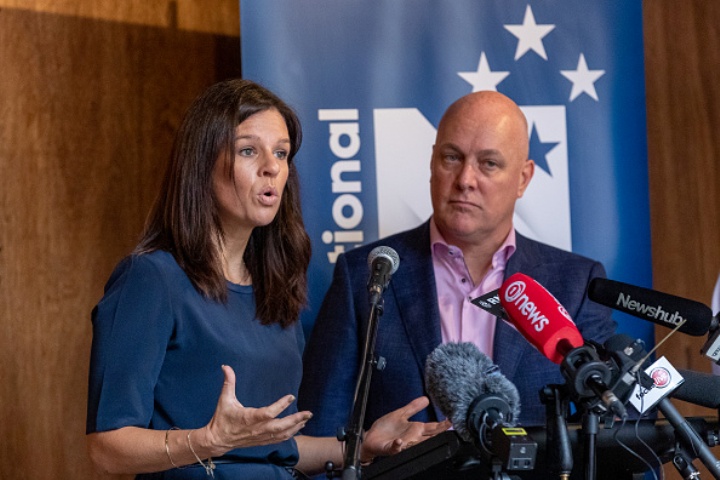
Lead Coordination Minister Erica Stanford confirmed that funding has now been allocated to seven local authorities and 68 non-government organisations and community groups as part of the Government's ongoing response to the Abuse in Care Royal Commission of Inquiry.
The initiative is aimed at both recognising the victims buried in unmarked graves connected to historical care institutions and providing practical support services for survivors still living with the long-term effects of abuse and neglect.
Thousands of Unmarked Graves Identified
The Abuse in Care Royal Commission found that at least 4,000 unmarked graves are associated with psychiatric and psychopaedic institutions across multiple regions of New Zealand.
The sites identified include locations in:
-
Auckland
-
Waikato
-
Nelson
-
Rangitikei
-
Horowhenua
-
Porirua
-
Otago
-
Westland
-
Canterbury
Many of these institutions operated for decades and housed vulnerable children, people with disabilities, and mental health patients.
The Royal Commission's findings exposed widespread abuse, neglect, mistreatment, and systemic failures across state and faith-based care facilities over many generations.
The discovery of large numbers of unmarked graves has become one of the most emotionally significant and symbolic findings of the inquiry, highlighting the historical lack of dignity and recognition afforded to many individuals who died while in institutional care.
Survivor Support and Recognition Fund Established
Following the Government's formal public apology to survivors in 2024, officials established the Survivor Support and Recognition Fund (SSRF).
The fund serves two primary purposes:
-
Supporting projects to memorialise and care for unmarked graves
-
Funding initiatives that directly assist survivors of abuse in care
Minister Erica Stanford said the fund is part of the Government's broader effort to acknowledge the harm caused by decades of institutional abuse and neglect.
She noted that survivor recognition and practical support remain central to the Government's response.
First Funding Round Distributed in 2025
The first round of SSRF funding was released in February 2025.
This initial non-contestable funding round totalled NZ$2 million.
According to the Government:
-
Approximately NZ$1.3 million was allocated to 26 non-government organisations
-
Funding was also provided to the Rangitikei District Council
The funding supported a range of survivor assistance initiatives and local memorialisation efforts.
Second Funding Round Expands Support
A second, larger funding round was launched in November 2025.
This round involved a contestable funding pool of NZ$2.9 million aimed at expanding both survivor services and memorial projects.
Under the latest allocations:
-
42 non-government organisations and community groups will receive approximately NZ$2 million
-
Six local authorities have been allocated NZ$884,076 to support projects related to unmarked graves
The local authorities will carry out initiatives focused on:
-
Memorial construction
-
Site preservation
-
Grave identification work
-
Community remembrance projects
-
Ongoing maintenance and care of burial sites
Officials say these projects are intended to provide dignity, acknowledgement, and historical recognition for those buried in institutional grounds without proper markers or memorials.
Support Services for Survivors
The Government says the funded organisations will deliver a variety of survivor-focused services aimed at helping individuals cope with the long-lasting impacts of abuse and neglect.
The initiatives include:
-
Peer-to-peer support programmes
-
Therapy and counselling services
-
Educational workshops
-
Mental health support
-
Community healing initiatives
-
Survivor advocacy services
Many survivors of abuse in care continue to experience trauma, mental health challenges, social isolation, and financial hardship decades after leaving institutional care.
Community organisations have often played a key role in providing culturally appropriate and survivor-led support services.
Ongoing National Reckoning
The Abuse in Care Royal Commission of Inquiry is considered one of the largest and most significant investigations in New Zealand's history.
The inquiry examined decades of abuse and neglect within:
-
State care institutions
-
Psychiatric facilities
-
Disability institutions
-
Religious organisations
-
Foster care systems
The Commission heard evidence from thousands of survivors and documented systemic abuse spanning generations.
Its findings prompted a formal national apology by the Government in 2024 and led to increasing calls for compensation, institutional reform, accountability, and memorialisation efforts.
Government Emphasises Long-Term Commitment
Erica Stanford said it is important for New Zealanders to continue recognising the enduring impact that abuse and neglect in care have had on survivors, families, and communities.
She acknowledged the role of community organisations in helping survivors rebuild their lives and access support.
The Minister thanked the funded groups for the work they are doing to assist survivors and preserve the memory of those who died in institutional care.
Broader Efforts Still Underway
While funding announcements mark an important step, many survivor groups continue to advocate for broader reforms and additional support measures.
These include calls for:
-
Faster compensation processes
-
Greater access to mental health services
-
Improved historical record transparency
-
Continued grave identification efforts
-
Institutional accountability
-
Long-term survivor support funding
The Government has indicated that further work remains ongoing as New Zealand continues to confront the legacy of abuse in care and seeks to provide recognition, healing, and justice for survivors.


 Google News