

Rights chief calls for immediate lifting of US restrictions on Cuba
According to the UN rights chief, shortages of medicine and medical supplies have reached critical levels, leaving hospitals and healthcare workers struggling to provide treatment.
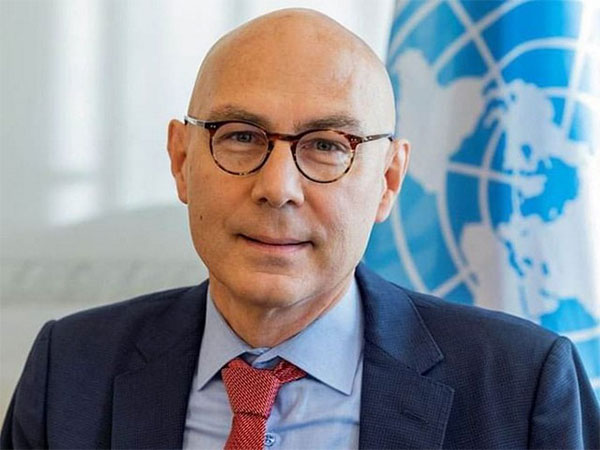
United Nations High Commissioner for Human Rights Volker Türk has warned that expanded United States sanctions on Cuba are causing severe hardship for millions of people, disrupting access to healthcare, food and other essential services.
Speaking on Monday, Türk said the combination of fuel restrictions introduced earlier this year and additional sanctions imposed in recent months is having a devastating impact on ordinary Cubans, particularly the most vulnerable members of society. He called for the measures to be lifted immediately, arguing that they are contributing to worsening living conditions and putting lives at risk.
According to the UN rights chief, shortages of medicine and medical supplies have reached critical levels, leaving hospitals and healthcare workers struggling to provide treatment. He said children are among those suffering the most, with doctors facing difficulties obtaining essential medicines and equipment needed to save lives. The concerns come as Cuba faces a growing economic and humanitarian challenge driven by fuel shortages, supply disruptions and mounting pressure on public services.
Healthcare, food production and daily life under strain
The crisis intensified after the United States declared a national emergency in January, a move that disrupted fuel shipments to Cuba. By mid-May, the country's fuel reserves had fallen sharply, triggering widespread power shortages and daily blackouts that often last more than 20 hours.
Further sanctions introduced in May expanded restrictions on companies and organizations connected to key sectors of the Cuban economy. The measures affect entities involved in fuel supply as well as businesses linked to the country's energy, finance, defence, mining and security sectors.
The consequences are being felt across the economy. Fuel shortages have disrupted transportation and agricultural production, contributing to a reported 60 per cent decline in food output. The reduced supply has also pushed up the cost of basic food items, placing additional pressure on households already struggling with rising living expenses.
Healthcare services are facing particularly serious challenges. The UN cited recent public health data showing infant mortality has risen to 9.9 deaths per 1,000 births, nearly double previous levels. Survival rates for childhood cancer patients have reportedly fallen from 85 per cent to 65 per cent during the same period.
Hospitals providing cancer treatment, dialysis services and maternal healthcare are operating under growing pressure as supplies become increasingly difficult to obtain.
Humanitarian agencies face growing obstacles
The UN says the sanctions are also complicating humanitarian operations and limiting the ability of aid organizations to deliver assistance. Many private companies have reportedly reduced or ended business activities involving Cuba because of concerns about violating sanctions rules. According to the High Commissioner, this has created delays in procurement, shipping disruptions and uncertainty across humanitarian supply chains.
Recent interruptions in shipping services affected the delivery of more than 2,900 metric tons of humanitarian food aid, highlighting the broader challenges facing relief agencies. Türk warned that Cuba is becoming increasingly isolated from international markets and financial systems. He noted that fewer airlines are operating routes to the country and that businesses are withdrawing from the Cuban market.
The situation could become even more difficult in the coming months as rising summer temperatures increase the risk of waterborne and vector-borne diseases. The start of the Atlantic hurricane season adds another layer of vulnerability for communities already facing shortages and economic hardship. While calling for sanctions relief, Türk also urged Cuban authorities to respect fundamental freedoms, including the rights to peaceful assembly, association and freedom of expression. He called on the government to release individuals who have been arbitrarily detained and to pursue dialogue aimed at reducing social tensions.
The UN rights chief said urgent action is needed to prevent further deterioration and reduce the suffering being experienced by the Cuban people.


 Google News