

Sindisiwe Chikunga Calls for United Action to Boost Women's Economic Inclusion
Addressing delegates from government, business and academic institutions, Chikunga said no single sector can build an inclusive economy on its own.
- Country:
- South Africa
Minister in the Presidency for Women, Youth and Persons with Disabilities Sindisiwe Chikunga has called for stronger collaboration between government, business and academia, saying lasting progress in women's economic empowerment depends on all three sectors working together.
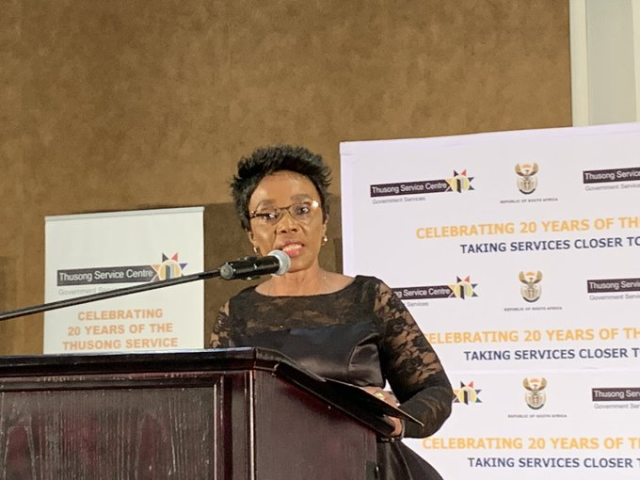
Speaking at the 8th Annual Regenesys Women in Business and Leadership Conference in Sandton on Wednesday, Chikunga said building an inclusive economy requires partnerships that create real opportunities for women across the country. The conference was held under the theme, "Building an Inclusive Economy – The Role of Government, Business and Academia."
Stronger Partnerships Needed for Inclusive Growth
Addressing delegates from government, business and academic institutions, Chikunga said no single sector can build an inclusive economy on its own. She explained that government provides the policy environment, businesses create economic opportunities and academic institutions prepare people with the skills needed to participate in the economy.
The Minister said these sectors must work together to ensure that economic growth reaches all women, especially young women, women with disabilities and those living in rural and township communities. She added that stronger partnerships should focus on education, skills development, entrepreneurship and improving access to finance.
Investing in Women Creates Lasting Economic Benefits
Chikunga encouraged the development of public-private partnerships that place human capital at the centre of economic growth. She said these collaborations can help close funding gaps, improve public services, strengthen innovation and create more opportunities for women to participate in the economy.
She also stressed that every partnership should be guided by fairness, transparency, accountability and sustainability so that support reaches those who need it most instead of reinforcing existing inequalities. Early childhood development, technical and vocational education, healthcare, digital infrastructure and innovative financing were identified as priority areas where joint action could make a meaningful difference.
Expanding Financial Opportunities for Women
The Minister said improving women's financial inclusion should remain a national priority. She called for greater participation of women in economic decision-making, better access to financial resources and increased recognition of the care economy as a key factor in women's economic participation.
Among the proposals discussed were specialised banking services for women, expanded microcredit programmes, gender-responsive financial technology and stronger procurement opportunities for women-owned businesses. Chikunga also highlighted the need for affordable childcare, flexible workplace policies and shared household responsibilities to reduce the unpaid care burden carried by many women.
Women's Month Marks a Time for Action
Marking Women's Month and the 70th anniversary of the 1956 Women's March, Chikunga paid tribute to generations of women who challenged discrimination and fought for equal opportunities.
She urged leaders from every sector to move beyond promises by setting clear goals, measurable actions and accountability, saying future generations deserve greater opportunities than those inherited by the women who came before them.


 Google News