

Crocodile population rises In Bhitarkanika National Park
- Country:
- India
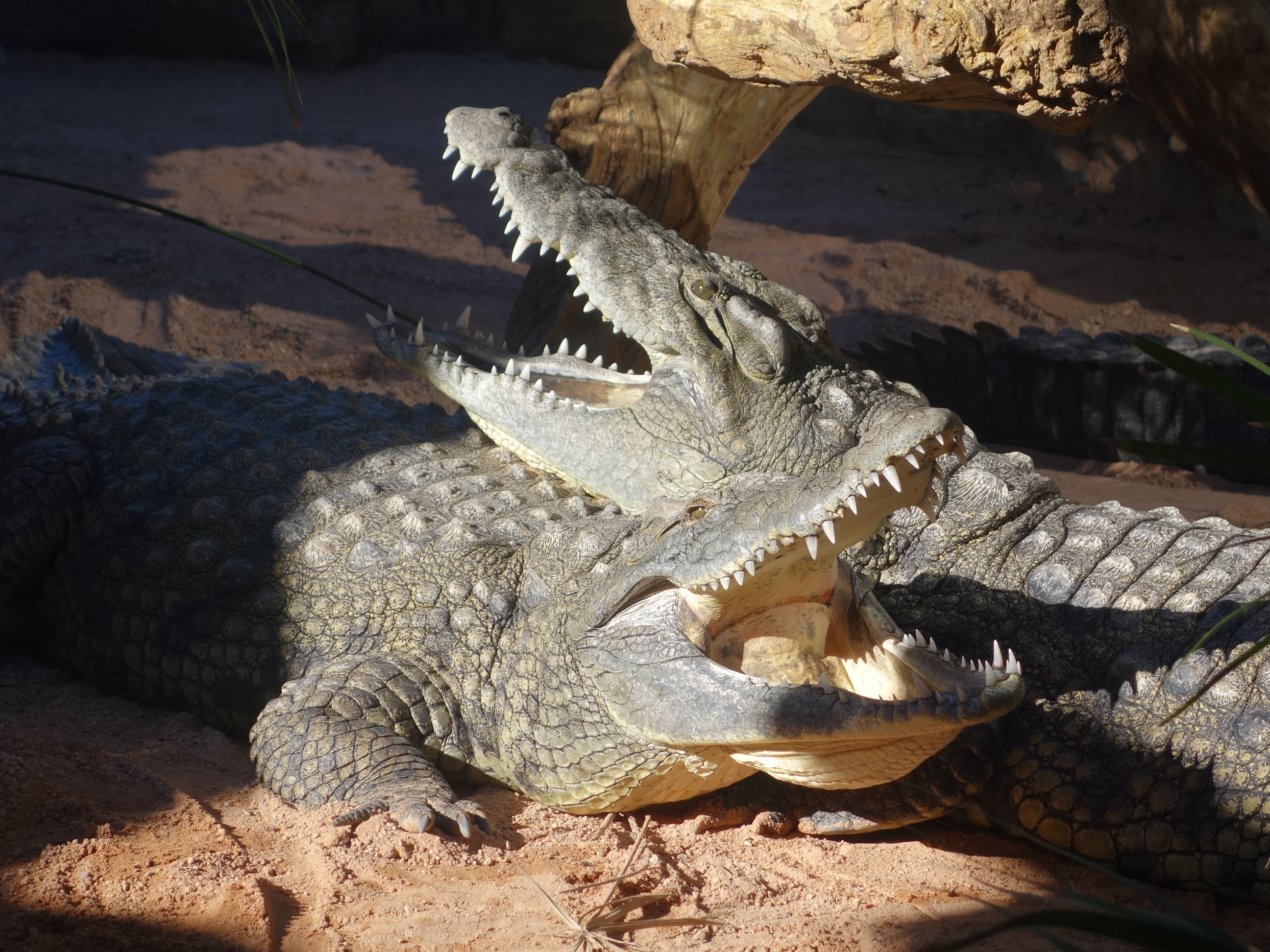
The number of crocodiles in Bhitarkanika National Park in Odisha's Kendrapara district has increased as per the findings of the latest headcount of the reptiles. At least 1,757 salt-water crocodiles including albino species were counted this year along the water-bodies of Mahanadi deltaic region while the census figure recorded last year stood at 1,742, said Divisional Forest Officer, Rajnagar Mangrove (wildlife) Forest Division, Bikash Ranjan Das.
Though the estuarine crocodiles are also found in West Bengals Sundarbans and the Andaman Islands, the density of the croc population is more in Bhitarkanika, he said. The latest census figure of these animals, which was released by the Forest department on Saturday, has come out with an encouraging trend of rising in the number of estuarine crocodiles.
Four giant male crocodiles measuring more than 20-feet long were sighted by enumerators. This included a 21-foot long crocodile that finds a pride of place in the Guinness book of record as the world's largest living crocodile, the official said. The breakup of crocodiles sighted is Hatchlings-620, Yearlings-325, juveniles-288, sub-adults-185, adults-339, said the census report.
The region is crisscrossed by innumerable water inlets, creeks and nullahs all forming the part of the Bhitarkanika river system. The enumerators extensively covered vulnerable riverside villages where reports of man-croc conflict had reached a flashpoint in the recent past. However, the sighting of these reptiles was few and far.
Four decades ago when the Government of India and UNDP thought of saving crocodiles, there were hardly three to four nests detected in the area while the population of salt-water crocodiles in the Bhitarkanika area was estimated to be 95, including 34 adults. Now, the population has swollen to 1,757. Since 1977, salt-water crocodile eggs have also been collected locally, and young crocodiles have been released in the creeks and the estuaries. "We have been able to reverse declining crocodile population and make the area a safe habitat for the reptile", said the official.


 Google News