

From Coal to Renewables: Achieving Net-Zero Emissions in the Drina River Basin by 2050
Researchers from KTH, Simon Fraser University, and Sutubra Research Inc. highlight that the Western Balkans have significant renewable energy potential, with a substantial 94.4 GW available to support decarbonization by 2050, requiring integration of non-hydro renewables and policy measures to achieve climate goals. This transition is crucial for aligning with EU climate policies, improving air quality, and ensuring energy security in the region.
 CoE-EDP, VisionRI
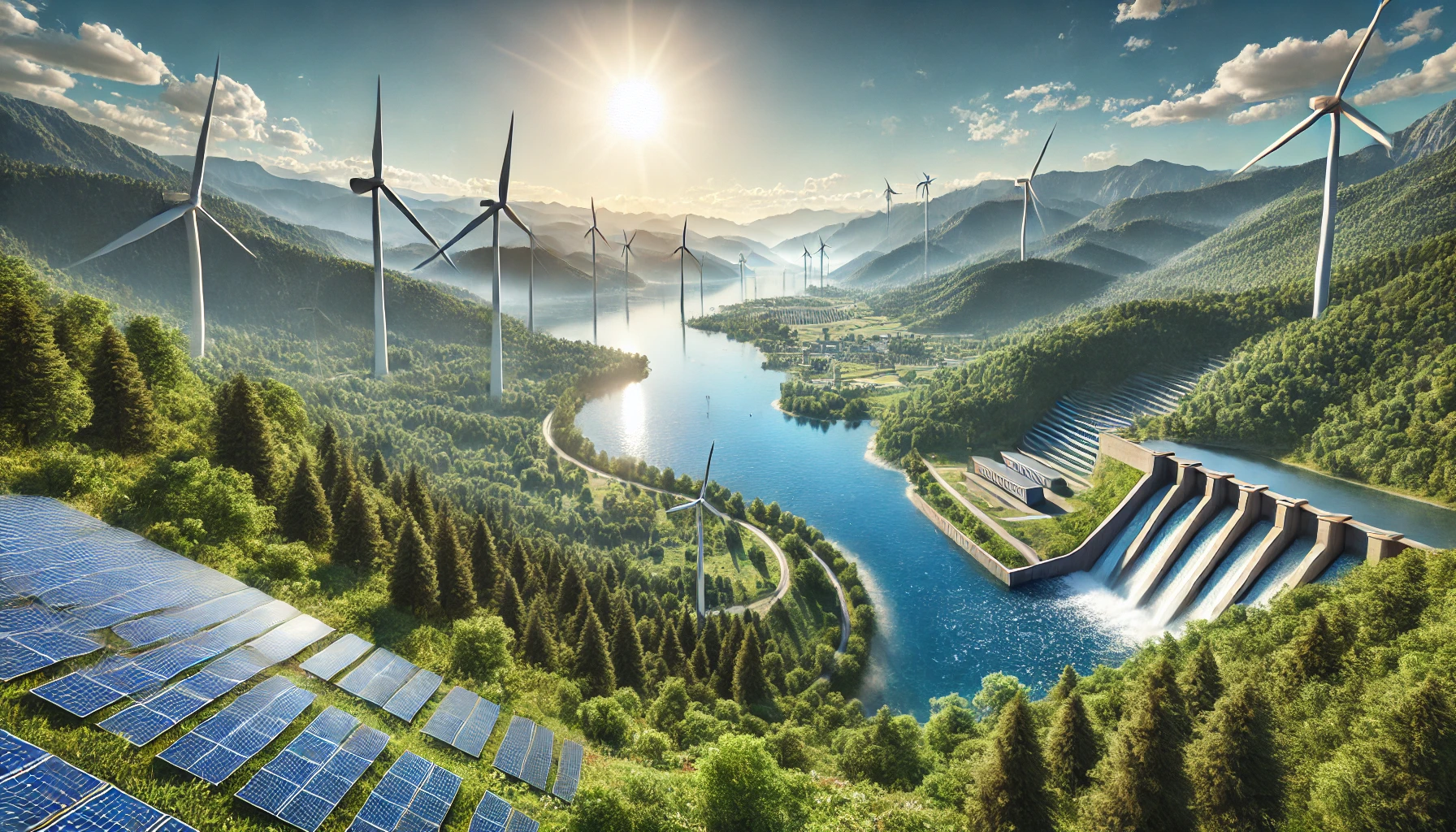
The power sectors of Bosnia and Herzegovina, Montenegro, and Serbia in the Western Balkans are heavily reliant on coal, making their transition to renewable energy critical for meeting European Green Deal and climate neutrality goals by 2050. Researchers from KTH, Simon Fraser University, and Sutubra Research Inc. have delved into this issue, focusing on the Drina River Basin, which these countries share. The basin holds significant hydropower potential, with 60% untapped, and its renewable energy potential is crucial for the region's decarbonization efforts. The paper utilizes the Open-Source Energy Modelling System (OSeMOSYS) to explore various development pathways, aiming to understand how variable renewable energy (VRE) sources like solar and wind can support this transition.
Unlocking the Renewable Energy Potential
The findings indicate that the renewable energy potential in the Western Balkans is a substantial 94.4 GW, which is 68% higher than previously estimated. The analysis shows that under scenarios targeting net-zero emissions by 2050, 17% of this VRE potential could be utilized to support the decarbonization of the power sectors. This includes assessing the impact of VRE on the hydropower cascade shared by the three countries. While the overall impact of VRE technologies on total power generation output from the hydropower cascade is limited, increased deployment of solar energy shifts the operation of the cascade towards increased short-term balancing, moving away from baseload power generation patterns. This shift is crucial for accommodating the intermittent nature of solar power, which requires more responsive power generation to maintain grid stability.
Challenges and Opportunities in the Transition
Scenarios assuming high wholesale electricity prices show prolonged use of thermal power plants, leading to increased emissions. Conversely, scenarios with low-cost electricity trade suggest power sector developments that lead to decreased energy security. The research underscores the importance of integrating non-hydro renewables to achieve climate goals. The transition from coal to renewable energy is not only vital for aligning with EU climate policies but also for improving air quality and public health in the region. The study emphasizes the need for consistent methodologies and high-resolution data to accurately estimate VRE potentials and inform policy measures.
Beyond Hydropower: Embracing Solar and Wind
The researchers highlight that the Drina River Basin countries must incorporate renewable resources other than hydropower into their energy mix to achieve decarbonization and align with climate policies implemented at the EU and global levels. This incorporation is crucial for meeting the commitments made under the Sofia Declaration and the 2030 Agenda for Sustainable Development Goals (SDGs). The potential for VRE in the Drina River Basin countries is significant, and the study provides a comprehensive assessment of this potential, addressing inconsistencies in previous estimates.
Modeling a Greener Future
The model created using the OSeMOSYS framework shows that the renewable potential of the countries is a substantial 94.4 GW. Under an emission limit scenario, assuming net zero by 2050, 17% of this VRE potential is utilized to support decarbonization. The impact of VRE on the existing hydropower cascade is limited, but increased solar deployment shifts the operation of the cascade towards more responsive power generation patterns. This shift highlights the role of hydropower as a short-term balancing option, essential for managing the variability of solar power.
Policy Measures for a Sustainable Transition
The prolonged use of thermal power plants in high-cost electricity trade scenarios leads to increased emissions, underscoring the need for policy measures that support renewable energy development. The findings suggest that expanding renewable energy infrastructure is crucial for reducing reliance on coal and achieving the EU's climate goals. The transition to renewable energy is not only essential for meeting climate targets but also for enhancing energy security and public health in the region.
The study calls for policy measures to support the development of renewable energy infrastructure, emphasizing the importance of consistent methodologies and high-resolution data for accurately estimating VRE potentials. The research provides valuable insights into the potential and impact of VRE on the power sectors of the Drina River Basin countries, highlighting the need for a coordinated approach to achieve climate neutrality by 2050. The integration of renewable energy sources, coupled with the responsive capabilities of hydropower, can significantly contribute to the decarbonization of the Western Balkans' power sectors, ensuring a sustainable and secure energy future.
- FIRST PUBLISHED IN:
- Devdiscourse


 Google News