

From Farm to Market: Enhancing Nigerian Agriculture with Mobile Innovation
Despite agriculture contributing significantly to Nigeria's GDP, food insecurity remains due to low productivity; the Sell Harvest mobile app aims to mitigate post-harvest losses by connecting farmers directly with buyers, enhancing sustainability and profitability.
 C0E-EDP,VisionRI
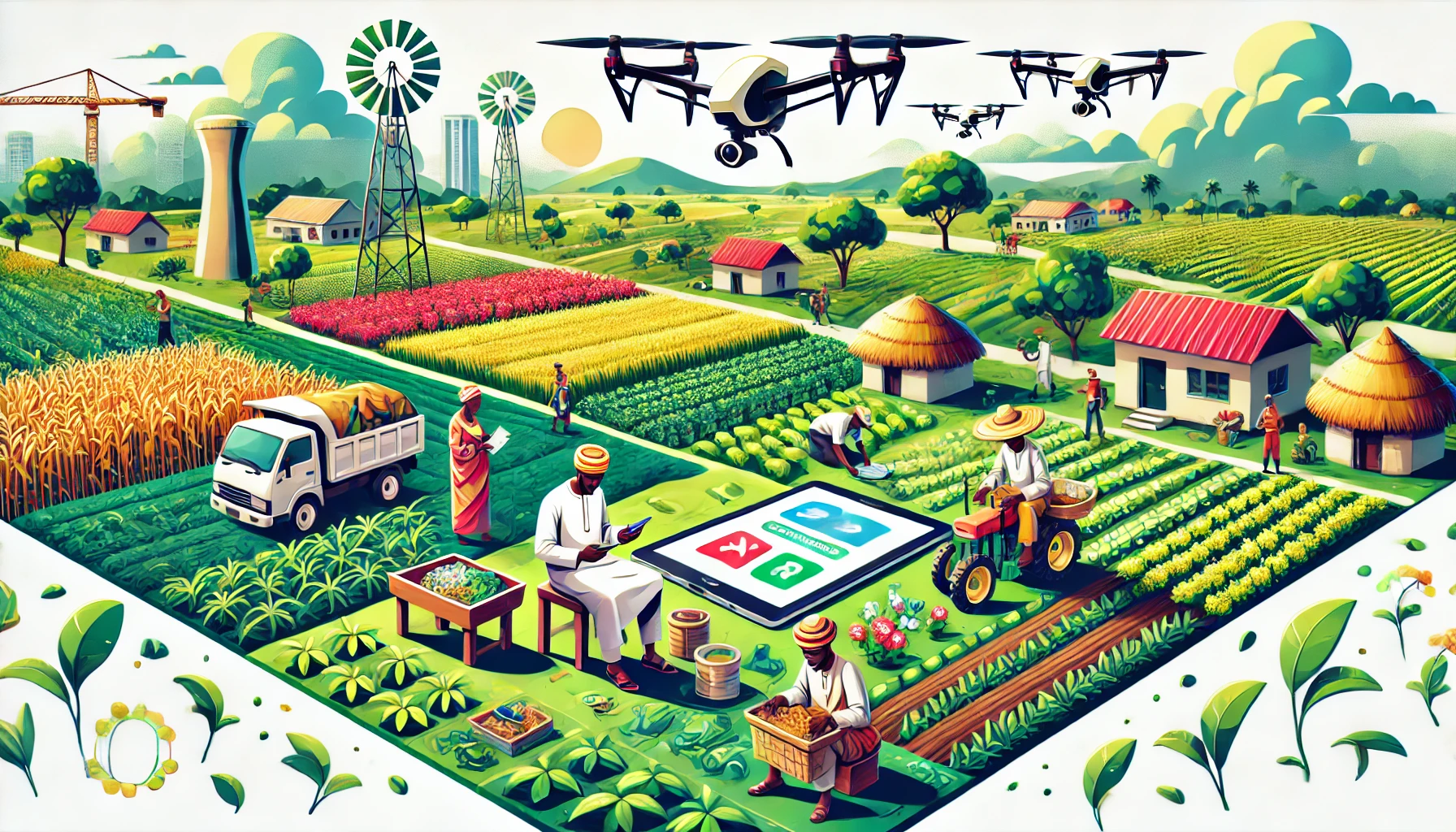
Agriculture has long been a cornerstone of Nigeria's economy, contributing a significant portion of the country's Gross Domestic Product (GDP). In the first half of 2022, agriculture accounted for about 23% of Nigeria's GDP, yet paradoxically, food insecurity remains a pressing issue. Despite the country's vast agricultural activity, productivity is hampered by various challenges, including limited access to credit facilities, inadequate agricultural information, and insufficient modern technology. Over 80% of Nigerian farmers are smallholders who struggle with these limitations, leading to a significant disconnect between high agricultural activity and the nation's food security. Researchers from Usmanu Danfodiyo University in Sokoto and Creative Associates International, New York–Abuja, have been focusing on these issues to find sustainable solutions.
Advanced Agricultural Technologies: Bridging the Gap
To bridge this gap, the introduction of advanced agricultural technologies is crucial. Innovations such as smart farming, which utilizes on-farm and remote sensors to optimize production processes, and livestock farming technology, which enhances data-driven animal management, are making strides in improving productivity. Agricultural drones, equipped with multispectral sensors, are also being employed to monitor crop growth and soil variations, offering a high-tech solution to traditional farming challenges. These drones provide essential data on crop health and growth stages, helping farmers make informed decisions about irrigation and fertilization, ultimately leading to higher yields and more efficient resource use.
Sell Harvest: A Mobile Solution to Post-Harvest Losses
One promising solution proposed to address post-harvest losses, particularly in fruits and vegetables, is the mobile application Sell Harvest. Nigeria's post-harvest losses have reached an alarming N3.5 trillion annually, with approximately 50% of fruits and vegetables perishing before reaching the market. Sell Harvest aims to mitigate these losses by directly connecting rural and smallholder farmers with potential buyers in urban areas, thus eliminating middlemen who often drive up prices. This app provides real-time market information, weather forecasts, and educational resources on modern farming techniques, all localized in Nigeria's three dominant languages—Hausa, Yoruba, and Igbo.
Empowering Farmers with Real-Time Data and Education
Sell Harvest features several key components to support farmers and enhance the agricultural value chain. These include direct negotiation capabilities between buyers and sellers, thorough verification of users and commodities to ensure transaction security, and a market price index to provide reliable information on the supply and demand of major crops. Additionally, the app offers a learning page with video content in local languages to educate farmers on efficient farming, storing, and processing practices. This educational content is crucial for smallholder farmers who often lack access to modern agricultural knowledge and techniques. By making this information readily available, Sell Harvest empowers farmers to adopt more sustainable and productive farming methods.
A Multi-Faceted Approach to Overcoming Agricultural Challenges
Furthermore, the app integrates weather forecasting to help farmers make informed decisions based on climatic conditions. This feature is particularly important in agriculture, where weather patterns significantly impact crop growth and harvest times. By providing accurate and timely weather information, Sell Harvest enables farmers to plan their activities better, reducing the risk of crop failure due to unexpected weather changes. The app also encompasses various agricultural business sectors such as marketing, transportation, renting, leasing, retailing, processing, and loan and investment services. By offering these comprehensive services, Sell Harvest not only aims to reduce post-harvest losses but also strives to make farming more sustainable and profitable for Nigerian farmers.
In addition to technological innovations, addressing the broader challenges facing Nigerian agriculture requires a multi-faceted approach. Limited access to credit facilities remains a significant barrier for smallholder farmers. Without adequate financing, these farmers cannot invest in modern equipment or high-quality inputs, which are essential for increasing productivity. Therefore, improving access to credit is a critical component of any strategy aimed at enhancing agricultural productivity and food security in Nigeria.
Moreover, there is a need to address the issue of agricultural land use. Despite Nigeria's vast cultivable land, a significant portion is being converted to other uses, reducing the area available for farming. Implementing policies to protect and expand agricultural land is essential to support the growing population and ensure food security. Additionally, providing farmers with better access to agricultural information can help bridge the knowledge gap and promote the adoption of modern farming technologies.
Transforming Nigeria's Agricultural Landscape
The implementation of mobile technology like Sell Harvest represents a significant step toward addressing food insecurity in Nigeria. By leveraging digital tools and modern agricultural practices, this solution can help smallholder farmers increase their productivity, reduce post-harvest losses, and ultimately contribute to the country's goal of achieving food security. The collaborative efforts of researchers and institutions like Usmanu Danfodiyo University and Creative Associates International are vital in driving these innovations and supporting the agricultural sector. By addressing the underlying challenges and promoting the adoption of advanced technologies, Nigeria can transform its agricultural landscape and ensure a more secure and sustainable food future.
- FIRST PUBLISHED IN:
- Devdiscourse


 Google News