

Women Still Missing From the News: GMMP 2025 Reveals Stalled Progress
The findings reveal that women are still overwhelmingly absent as sources, experts, and subjects across broadcast, radio, and print news.
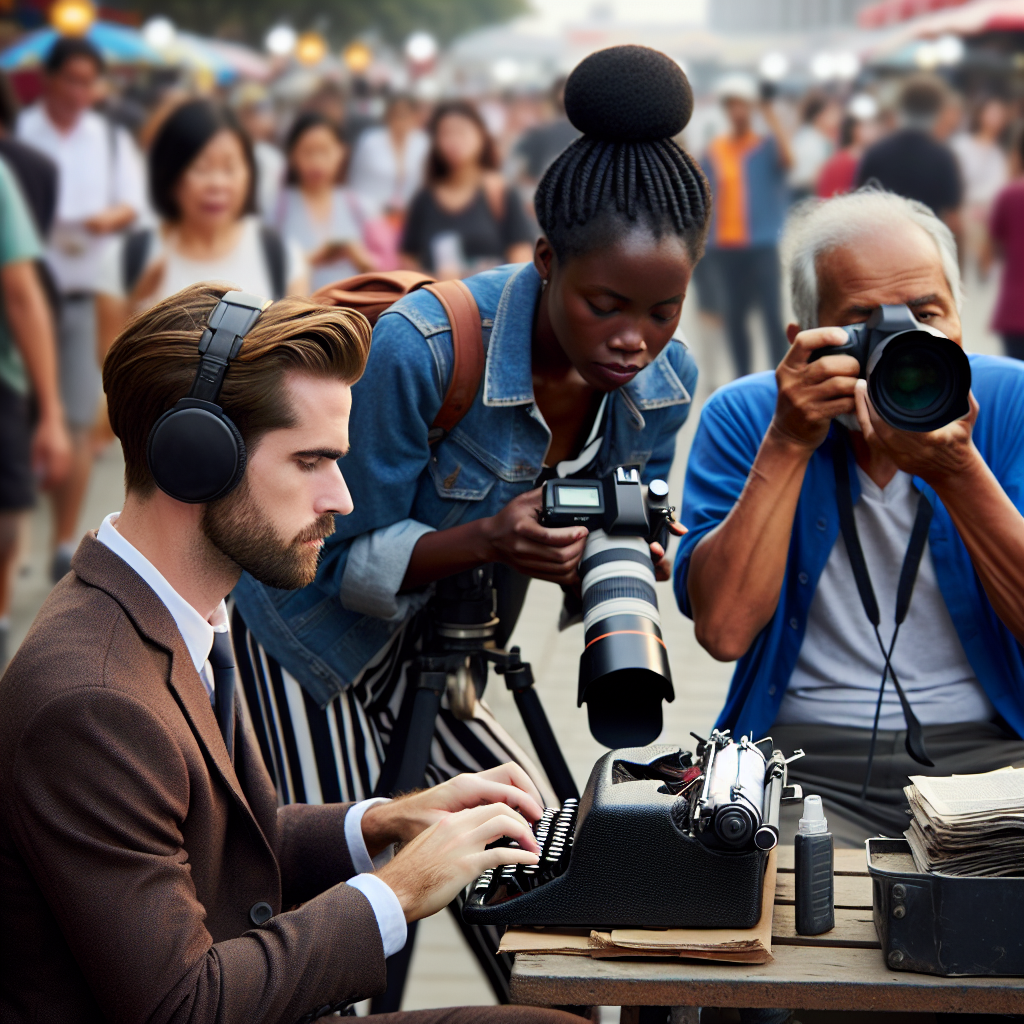
Despite making up half the world's population, women continue to be vastly underrepresented in the news. The 2025 Global Media Monitoring Project (GMMP) — the world's largest and longest-running research study on gender in news media — has found that women account for only 26 percent of people seen, heard, or read about in news stories.
The study, coordinated by the World Association for Christian Communication (WACC) and supported by UN Women's ACT to End Violence against Women programme, exposes how little has changed in nearly three decades of monitoring. In fact, the percentage of women in news coverage has shifted by only nine points since the GMMP began 30 years ago.
A Persistent Gap in Representation
The findings reveal that women are still overwhelmingly absent as sources, experts, and subjects across broadcast, radio, and print news. For young women and girls, this invisibility is particularly damaging, as it denies them relatable role models in public life and reinforces stereotypes about whose voices matter.
Equally troubling is the near invisibility of gender-based violence (GBV) in the news. Although GBV affects women globally, fewer than two out of every 100 news stories cover this issue. Similarly, only 2 percent of stories actively challenge gender stereotypes, the lowest level recorded since GMMP monitoring began.
"Journalism that counters stereotypes is at its lowest level in three decades," noted the GMMP report, pointing to a wider global backlash against women's rights and the erosion of hard-fought progress.
The Stakes for Democracy and Equality
The lack of representation in media is not just a gender issue; it's a democratic one. "Media reflects reality – and is essential for democracy and a fair and equal world for all women and girls. But when women are missing, democracy is incomplete," said Kirsi Madi, UN Women Deputy Executive Director.
She emphasized that the data is both a wake-up call and a call to action, urging newsrooms, governments, and platforms to reimagine media's role in advancing gender equality. "Without women's voices, there is no full story, no fair democracy, no lasting security and no shared future."
Progress in the Newsroom, But Not in Coverage
There has been some progress in women's participation as journalists. In 1995, only 28 percent of reporters were women. By 2025, this figure had risen to 41 percent. Importantly, the study found that stories written by women journalists are more likely to feature women as subjects (29 percent) than those written by men (24 percent).
This highlights a clear pathway: improving gender parity in newsroom staffing can directly impact representation in news content. However, systemic biases remain, as men continue to dominate coverage in roles of authority or expertise, while women are disproportionately cited as eyewitnesses or personal voices rather than as subject matter experts.
A Tool for Accountability
"The GMMP is a global accountability tool," explained Sarah Macharia, GMMP Expert Group Convenor. "Thirty years of data reveal both the persistence of deep-rooted stereotypes and the need to radically change our strategies toward a more inclusive, representative journalism."
The 2025 report arrives at a pivotal moment: the world is entering the final five years of the Sustainable Development Goals (SDGs) and marking Beijing+30 at the 80th UN General Assembly — milestones meant to advance gender equality. Yet, the findings confirm that progress has stalled and backlash is real, demanding urgent accountability.
The Call to Action
"Women and girls deserve to see themselves represented in media and to have their stories told," Madi said. "The responsibility now lies with governments, editors, platforms and policymakers to make this equality real. We will not back down until women's voices are heard in every newsroom and every story."
The GMMP's findings are a reminder that the media, as a driver of public discourse and democratic values, must do more than reflect society as it is. It must also help shape a more inclusive and equal future.
ALSO READ
-
EIB’s $37.5 Million Investment Helps Egypt’s Tanmiya Fund II Close at $130 Million
-
Mexico Honours Women Scientists as New Programme Inspires the Next Generation
-
Unequal Paid Leave Keeps Mothers Carrying Most Care as Fathers Seek More Family Support
-
Women Lead Global Solidarity Efforts as Harassment and Violence Threaten at Work
-
Women School Leaders Can Help Students Succeed, but Barriers Still Stand in Their Way


 Google News