

UNDP Warns Afghanistan’s Returnee Areas Near Breaking Point Amid Crises
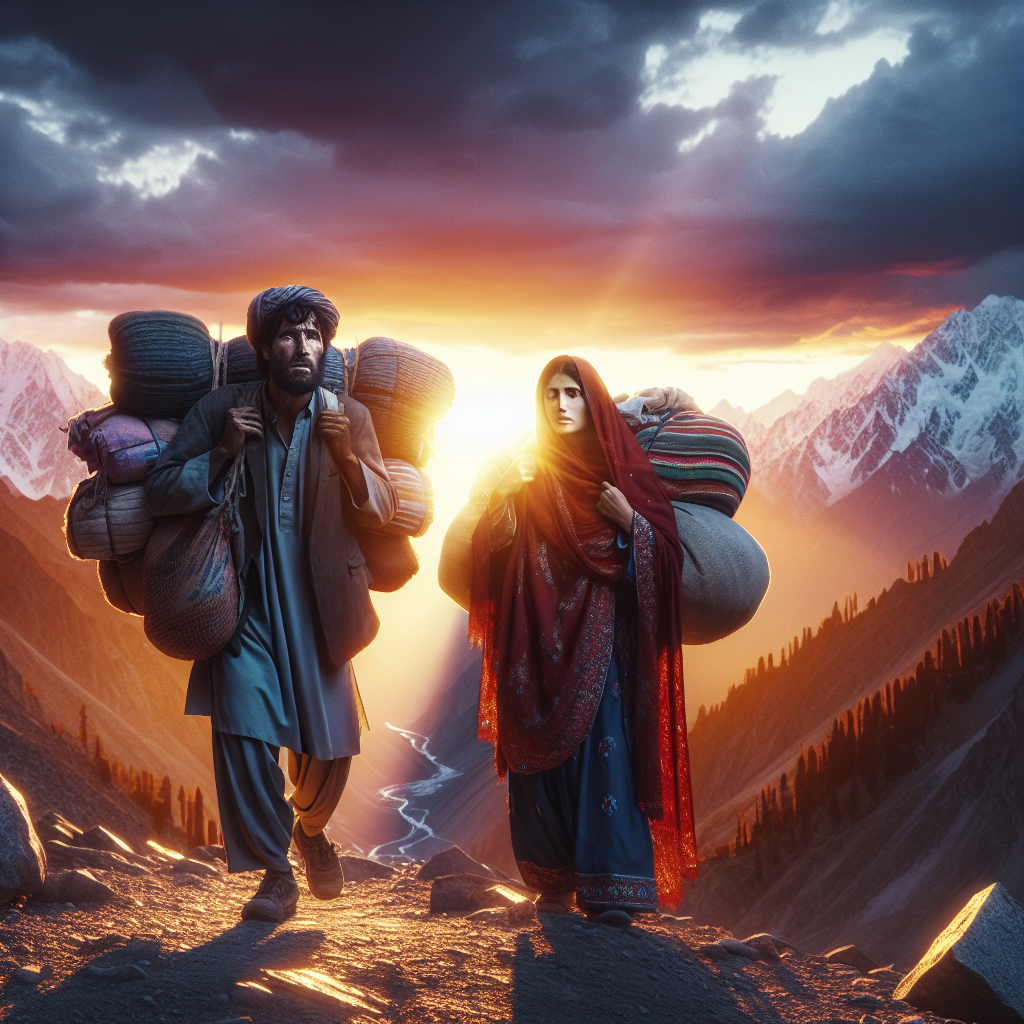
Returnees are overwhelming impoverished eastern and northern provinces, with districts in Nangarhar, Kunar, Samangan, Kunduz, and Takhar absorbing the highest numbers.
- Country:
- Afghanistan
A major new report released by the United Nations Development Programme (UNDP) has revealed that Afghanistan's communities designated as "areas of return" are facing severe and escalating pressures, as millions of Afghans return to an already fragile country grappling with economic collapse, climate disasters, and continued restrictions on women.
The report, From Return to Rebuild for Afghan Returnees and Host Communities, is based on one of the largest nationwide surveys conducted since 2021—covering 49,000 Afghan households, including more than 1,500 returnee families. Its findings paint a stark picture of communities pushed to the brink, with returnees settling in areas already struggling with poverty, limited services, and widening gender disparities.
Overstretched Communities as Millions Return Home
Returnees are overwhelming impoverished eastern and northern provinces, with districts in Nangarhar, Kunar, Samangan, Kunduz, and Takhar absorbing the highest numbers. These districts were already contending with:
-
Limited access to safe water
-
Overburdened health facilities
-
High unemployment
-
Severe housing shortages
The arrival of thousands of returnees—many deported abruptly from neighbouring countries—has intensified competition for scarce jobs, land, and services, placing unprecedented stress on host communities.
Across surveyed provinces, access to healthcare, clean water, schooling, and income opportunities has sharply declined since January, especially in rural areas and in settlements where women's mobility is highly restricted.
Households in Survival Mode: 9 in 10 Forced Into Harmful Coping Strategies
The report reveals almost universal use of negative coping mechanisms:
-
88% of returnee families report accumulating debt
-
81% of host households report debt
-
Many households are skipping meals, selling livestock or tools, and borrowing informally
-
A growing number are considering secondary displacement
Debt levels are rising fastest in households led by women, who face greater restrictions on earning income.
Natural Disasters Compound Humanitarian Pressures
Afghanistan continues to experience extreme climate shocks that have significantly aggravated humanitarian needs:
-
Major earthquakes in Nangarhar, Kunar, and Samangan
-
Flash floods across the north and central regions
-
A fourth consecutive year of severe drought
These disasters have destroyed homes, farmland, irrigation systems, and community infrastructure. Women-headed households—already structurally disadvantaged—are described as "among the hardest hit".
Restrictions on Women Deepen Crisis and Block Aid Delivery
The report highlights the urgent need to lift all bans on women, including prohibitions on women working for NGOs, international agencies, or government offices.
A UNDP analysis found:
-
In some provinces, 1 in 4 households rely on women as the primary breadwinner
-
Bans on women's work and travel directly undermine efforts to deliver aid and rebuild communities
-
Women returnees face almost total barriers to economic reintegration
"When women are prevented from working, entire communities lose out," said Kanni Wignaraja, UN Assistant Secretary-General and UNDP Regional Director for Asia and the Pacific. "Cutting women out of frontline humanitarian teams means cutting off vital services to returnees and disaster-affected families."
The report underscores that excluding women from humanitarian operations not only violates rights but cripples recovery capacity.
UNDP's Area-Based Recovery Programmes Showing Measurable Impact
Despite severe constraints, targeted investments are helping stabilise high‑return districts. UNDP's area-based recovery model, implemented in partnership with UNHCR, IOM, UN-Habitat, and local NGOs, is improving access to:
-
Clean water systems
-
Healthcare facilities
-
Solar energy solutions
-
Cash-for-work and livelihood opportunities
-
Emergency shelter and housing repairs
These programmes are designed to support both returnee families and host communities, reducing pressure on local systems and strengthening social cohesion.
"Area‑based recovery works," said Stephen Rodriques, UNDP Resident Representative in Afghanistan. "By connecting jobs, services, and shelter support, we can reduce the risk of secondary displacement and help communities rebuild with dignity."
A Call for Sustained International Support
The report warns that without urgent and expanded international funding, current pressures could escalate into a widespread humanitarian collapse, particularly in rural areas where coping capacity is nearly exhausted.
UNDP calls for:
-
Restoration of women's rights and lifting of all movement and work restrictions
-
Increased investment in livelihoods, small infrastructure, and climate resilience
-
Protection of returnees from forced evictions
-
Scaled-up support for host communities overwhelmed by population influx
As Afghanistan faces one of the most complex humanitarian crises in the world, UNDP emphasizes that inclusive recovery is impossible without women, and that communities require long-term investment—not just emergency aid—to rebuild successfully.
ALSO READ
-
ISO and UNDP Launch Global Standard to Turn Sustainability Promises Into Action
-
Free AI Training Opens Doors for African Public Officials to Build Smarter Services
-
Italy and UN Partners Set Out Rome’s Growing Role as Global Development Finance Hub
-
KSrelief and UNDP Launch $5M Lifeline for Ukraine’s War-Affected Hospitals
-
Aid Under Pressure: Global Leaders Call for Local Control and Recovery From Day One


 Google News