

Lebanon Displacement Crisis Deepens as UNHCR Chief Warns of Catastrophic Spiral Without Urgent Global Action
In a dramatic escalation, more than 1 million people have been forced to flee in less than six weeks following intensified Israeli strikes, according to UN figures.
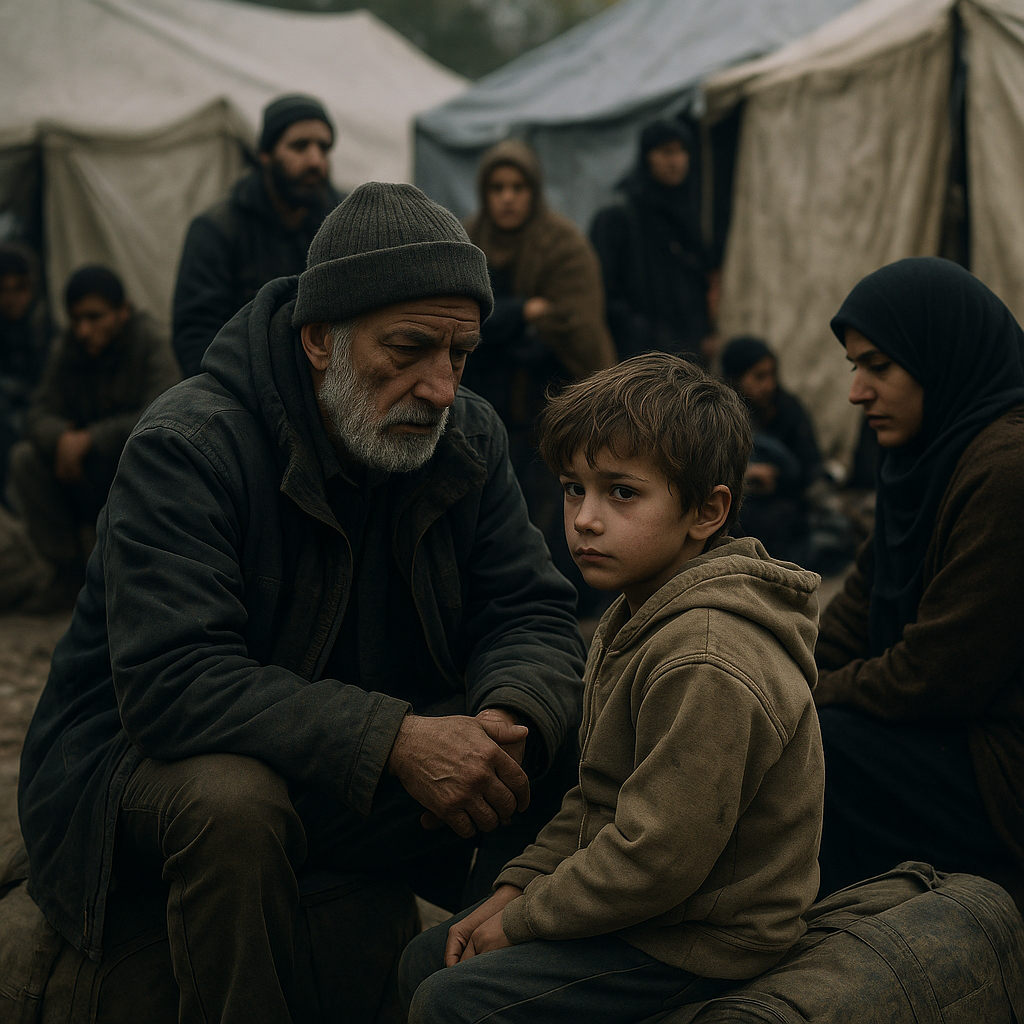
Lebanon is facing one of the most severe humanitarian crises in its recent history, with one in five people now displaced amid escalating conflict, prompting urgent warnings from the United Nations High Commissioner for Refugees, Barham Salih, for immediate international intervention.
During his first official visit to the country, Salih painted a stark picture of a nation under immense strain, where large-scale displacement, civilian suffering, and overstretched resources are pushing communities to the brink.
Over One Million Displaced in Weeks
In a dramatic escalation, more than 1 million people have been forced to flee in less than six weeks following intensified Israeli strikes, according to UN figures. The scale and speed of displacement have overwhelmed national systems and humanitarian capacity.
Since early March:
-
Over 1 million people displaced across Lebanon
-
2,100+ deaths and 7,000 injuries, according to Lebanese authorities
-
Refugees among casualties: 48 killed, 116 injured
"This is a rapidly deteriorating crisis. Entire communities have been uprooted almost overnight," Salih said.
Civilian Suffering and System Collapse Risks
Visiting affected areas in Beirut and the Bekaa Valley, Salih met families who had fled with little or no belongings, many escaping repeated evacuation orders under conditions of fear and uncertainty.
"What I witnessed on the ground is devastating. The destruction is immense, and the human suffering is heartbreaking," he said.
Displaced families expressed a strong desire to return home, despite widespread destruction of towns and infrastructure—highlighting both the emotional toll and the lack of viable alternatives.
Shelters Over Capacity, Secondary Displacement Rising
The humanitarian system is under severe pressure:
-
140,000+ people are housed in 684 government-run shelters
-
Most shelters are operating at near or full capacity
Compounding the crisis is the secondary displacement of refugees, particularly Syrians who had previously fled conflict and are now being forced to flee again.
Since 2 March:
-
280,000+ people have crossed into Syria
-
~238,000 Syrians
-
~44,000 Lebanese nationals
-
This reverse migration underscores the scale of instability and the erosion of Lebanon's role as a refuge.
UNHCR Scales Up Response Amid Resource Strain
The UN Refugee Agency is working closely with the Lebanese Government and humanitarian partners to coordinate emergency relief efforts.
So far, UNHCR and its partners have:
-
Assisted over 196,000 displaced individuals with essential supplies
-
Expanded emergency shelter support
-
Provided cash assistance and psychosocial services
-
Helped families recover documentation, reunite, and access services
Despite these efforts, humanitarian agencies warn that needs are outpacing available resources, raising concerns about worsening conditions in the weeks ahead.
High-Level Engagement Amid Crisis
During his visit, Salih held meetings with Lebanon's top leadership, including:
-
President Joseph Aoun
-
Prime Minister Nawaf Salam
-
Speaker of Parliament Nabih Berri
-
Senior ministers across foreign affairs, interior, and government
The discussions focused on strengthening coordination, scaling up relief efforts, and mobilising international support.
Urgent Call for Ceasefire and Global Support
Salih issued a strong appeal for an immediate de-escalation of hostilities, warning that without swift action, the crisis could spiral into a broader humanitarian catastrophe.
"The international community must act urgently to protect civilians, deliver life-saving assistance, and prevent this crisis from worsening further," he said.
A Nation at a Breaking Point
Lebanon—already grappling with economic collapse, political instability, and hosting one of the highest refugee populations per capita in the world—is now facing unprecedented pressure on its social and infrastructure systems.
Experts warn that without:
-
Immediate humanitarian funding
-
Sustained international engagement
-
A cessation of hostilities
the crisis could trigger long-term regional instability, increased migration flows, and deeper humanitarian consequences.
The Road Ahead
As displacement continues to rise and resources remain stretched, the coming weeks will be critical in determining whether the crisis can be contained or escalates further.
For now, the message from the UN is clear: Lebanon cannot face this crisis alone.
ALSO READ
-
Nearly Four Million Displaced as Central Sahel Crisis Pushes Families Beyond Borders
-
Gaza’s Women and Girls Face Devastating Loss, Displacement and a Deepening Aid Crisis
-
Gaza’s Women and Girls Face Loss, Displacement and Struggle to Keep Families Alive
-
Pandemic Preparedness Must Include People on the Move, Global Health Leaders Stress
-
Myanmar’s Deepening Poverty Leaves Millions With Little Strength for Another Crisis


 Google News