

ILO Raises Alarm Over 20,000 Seafarers Stranded Near Strait of Hormuz, Urges Urgent Global Action
In a strongly worded appeal, the STC Officers have called on all ILO Member States to act immediately and collectively to protect the lives, safety, and wellbeing of affected seafarers.
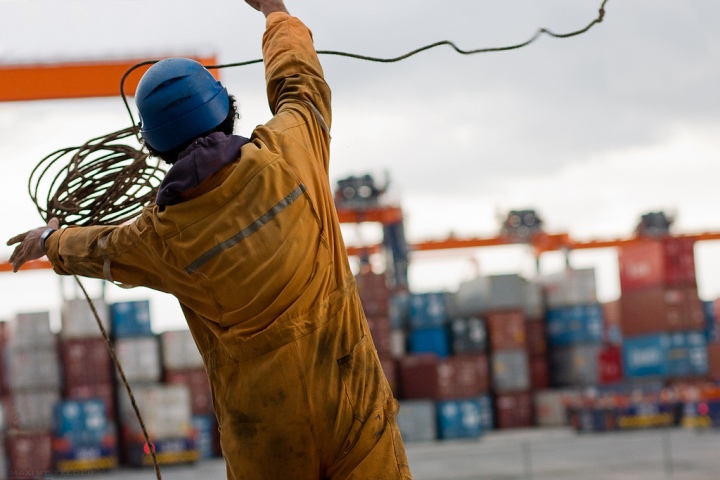
The International Labour Organization (ILO) has sounded a strong warning over the deteriorating safety and humanitarian conditions faced by thousands of seafarers trapped in one of the world's most volatile maritime zones. Officers of the Special Tripartite Committee (STC) of the Maritime Labour Convention, 2006 (MLC, 2006), have expressed grave concern over the plight of an estimated 20,000 seafarers stranded in and around the Strait of Hormuz, as tensions and security risks escalate in the region.
The Strait of Hormuz, a critical global energy chokepoint through which nearly a fifth of the world's oil supply passes, has become increasingly hazardous due to ongoing geopolitical instability. Commercial vessels navigating or anchored in the area are facing mounting risks, leaving thousands of crew members effectively trapped at sea with limited options for safe passage.
Urgent Call for Coordinated International Response
In a strongly worded appeal, the STC Officers have called on all ILO Member States to act immediately and collectively to protect the lives, safety, and wellbeing of affected seafarers. Governments have been urged to deploy all available diplomatic, logistical, and humanitarian measures to prevent further escalation of risks to maritime workers.
The Committee also appealed to flag States and the global shipping industry to exercise the highest level of caution, advising operators to reassess routes and operations until adequate security conditions are restored.
"The situation demands urgent and coordinated international action," the Officers emphasized, warning that delays could worsen an already precarious humanitarian and operational crisis.
Maritime Labour Convention Remains Binding
Reaffirming the legal framework governing seafarers' rights, the STC stressed that the Maritime Labour Convention, 2006 remains fully applicable even in times of crisis and conflict. In fact, the current situation makes adherence to the Convention more critical than ever.
The MLC, often described as the "seafarers' bill of rights," guarantees minimum standards for working conditions, health, safety, and welfare. The STC underscored that these protections cannot be suspended due to geopolitical tensions, and must be actively enforced to safeguard crew members stranded in high-risk zones.
Ensuring Lifelines: Supplies, Crew Changes, and Repatriation
Echoing the position of the International Maritime Organization (IMO), the STC Officers highlighted the urgent need to maintain uninterrupted delivery of essential supplies to vessels unable to leave the Strait. This includes critical provisions such as:
-
Food and drinking water
-
Fuel and operational necessities
-
Medical supplies and emergency care
Without these lifelines, conditions onboard could rapidly deteriorate, putting seafarers at risk of malnutrition, illness, and psychological distress.
The Committee also called on governments to facilitate crew changes and repatriation, ensuring that seafarers are not forced to remain indefinitely in dangerous conditions. Smooth crew rotation is essential not only for workers' wellbeing but also for maintaining safe ship operations.
Recognizing Seafarers as Key Workers
A key demand from the STC is the recognition of seafarers as "key workers", a status that gained prominence during the COVID-19 pandemic but remains inconsistently applied.
The Officers urged governments to take concrete steps to enable:
-
Safe transit across borders
-
Access to shore leave
-
Timely medical treatment
-
Efficient repatriation processes
These measures align with the 2025 amendments to the MLC, 2006, which strengthened provisions related to seafarers' welfare, mobility, and rights during emergencies.
Human Rights at the Forefront
Beyond operational concerns, the STC placed strong emphasis on human rights protections. Seafarers must retain the right to choose whether to work in high-risk areas, the Committee said, without fear of retaliation, blacklisting, or loss of future employment opportunities.
This principle is particularly critical in conflict zones, where the risks to life and safety are significantly heightened.
Global Maritime Leadership and Cooperation
The STC Officers welcomed the ongoing collaboration between ILO Director-General Gilbert F. Houngbo and IMO Secretary-General Arsenio Dominguez, noting that coordinated leadership is essential to managing the crisis.
They also commended the IMO's role in mobilizing international cooperation and coordinating responses, particularly in ensuring maritime safety and facilitating humanitarian access.
A Growing Maritime Crisis
The situation in the Strait of Hormuz highlights the broader vulnerability of global shipping to geopolitical shocks. With over 80% of global trade transported by sea, disruptions in key maritime corridors have far-reaching implications for energy markets, supply chains, and global economic stability.
For the seafarers on the frontlines, however, the crisis is deeply personal — marked by uncertainty, isolation, and heightened risk.
The Way Forward
The ILO's urgent appeal underscores the need for swift, coordinated, and sustained action by governments, industry stakeholders, and international organizations. Ensuring the safety and dignity of seafarers is not only a legal obligation under international conventions but also a moral imperative.
As tensions persist, the global community faces a critical test: whether it can act decisively to protect those who keep the world's trade moving, even in the most dangerous conditions.


 Google News