

UN Experts Raise Alarm Over Attacks on Religious Minorities in Nigeria
The experts said testimonies received from victims and survivors describe a pattern of trauma, coercion and insecurity.
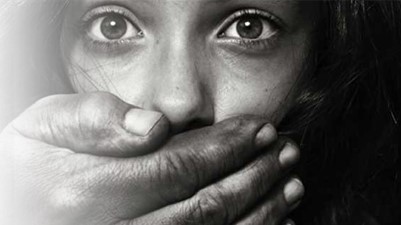
United Nations human rights experts have expressed serious concern over reports of killings, abductions, sexual violence and forced conversions targeting Christian and other religious minority communities in Nigeria, particularly women and girls living in the country's northern regions and Middle Belt.
According to the experts, the worsening security situation has created conditions that allow armed extremist groups and other violent actors to continue operating with devastating effects on civilians. Groups such as Boko Haram and the Islamic State West Africa Province (ISWAP), along with radicalized individuals linked to long-running farmer-herder conflicts, have been repeatedly associated with attacks that leave communities living in fear.
The experts said testimonies received from victims and survivors describe a pattern of trauma, coercion and insecurity. They stressed that those affected by the violence must receive protection, justice and long-term support, including rehabilitation services and access to remedies. Concerns were also raised about persistent reports of impunity, weak institutional responses and insufficient protection measures that have left vulnerable communities exposed to ongoing threats.
Women and girls face heightened risks
UN experts said Christian women and girls are facing particularly severe risks, with reports documenting cases of sexual violence, abductions, forced religious conversion and child marriage.
Several incidents highlighted in a communication sent to the Nigerian Government illustrate the scale of the problem. These include the reported abduction and sexual assault of Christian women, the disappearance of girls taken from a church in Borno State, and the alleged forced conversion and child marriage of a 13-year-old girl in Bauchi State.
Another reported case involved a 16-year-old Christian girl whose hand was allegedly severed after her family refused a forced marriage proposal from militants.
The experts said many women and girls who resist such demands reportedly face threats, punishment, disappearance or death. They also warned that displaced women from Christian and other minority communities remain highly vulnerable to sexual exploitation and abuse, particularly in camps for internally displaced persons.
In some areas, women reportedly hide their religious identity or wear clothing associated with the dominant religious community as a means of avoiding violence and discrimination.
Calls for urgent action and accountability
The experts said the reported abuses form part of a wider pattern of violence affecting religious minority communities in parts of northern Nigeria. Reports include attacks on churches and villages, killings, forced displacement and mob violence connected to allegations of blasphemy. They warned that if the allegations are confirmed, many of the acts could constitute serious violations of international human rights law, including violations of the rights to life, liberty, security, freedom of religion or belief, and protection from torture, slavery, trafficking and enforced disappearance.
The experts have urged Nigerian authorities to take immediate steps to protect vulnerable communities, secure the release and recovery of abducted women and girls, and conduct independent and impartial investigations into the reported incidents. They also called for those responsible to be prosecuted and for victims and survivors to receive meaningful support and access to justice.
According to the experts, allowing perpetrators to escape accountability risks encouraging further violence and deepening insecurity in affected regions. They stressed that urgent action is needed to prevent additional harm and restore confidence among communities that continue to live under the threat of attack.
ALSO READ
-
Mozambique Faces Fossil Fuel Trap; UN Expert Calls for Solar-Powered Future for All
-
Dora Moutot’s Conviction Sparks UN Expert’s Concern Over Women’s Safety and Free Speech
-
West Bank Checkpoints Are Taking Palestinian Time, Livelihoods and Lives, UN Expert Warns
-
UNESCO Brings Data to New UN Platform Connecting People With Trusted Information
-
UN Expert Urges Malaysia to Halt Myanmar Returns as Refugees Face War and Violence


 Google News