

Thailand Issues Identity Cards to Myanmar Refugees
The initiative, launched by the Royal Thai Government, formally recognizes refugees as "Myanmar Displaced Persons" and provides them with official non-Thai identification documents for the first time.
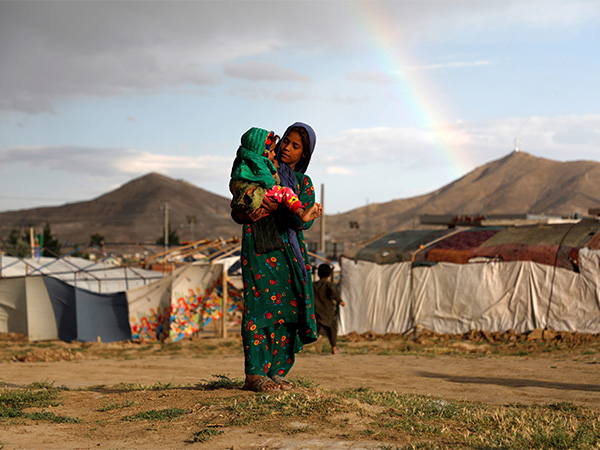
Thousands of refugees living in temporary shelters along the Thai-Myanmar border have begun receiving official identity cards in a significant step toward greater protection and inclusion.
The initiative, launched by the Royal Thai Government, formally recognizes refugees as "Myanmar Displaced Persons" and provides them with official non-Thai identification documents for the first time. The move has been welcomed by UNHCR, the UN Refugee Agency, as a major development for one of the world's longest-displaced refugee populations.
UNHCR Assistant High Commissioner for Operations Raouf Mazou described the identity cards as much more than a form of documentation, saying they provide refugees with access to protection, stability and new opportunities that can help them build more secure futures.
New System Expands Access to Services and Employment
The identity cards are supported by biometric registration and integration into Thailand's national civil registry system. They also include QR code verification technology designed to reduce the risks of identity fraud, human trafficking and exploitation.
Possessing official identification is expected to make it easier for refugees to access essential services such as healthcare, banking and telecommunications while strengthening their legal status within the country.
The programme builds on a major policy change introduced by Thailand in August 2025 that granted long-term refugees legal access to employment. Since the policy came into effect in October 2025, more than 5,500 refugees have entered the workforce, contributing to local economies and helping support their families with greater independence.
Officials hope that many more refugees will benefit from employment opportunities as the identification programme expands.
Decades-Long Refugee Crisis Still Requires Support
Thailand currently hosts around 80,000 people displaced from Myanmar in temporary shelters along the border. Many have spent decades living in refugee camps, relying heavily on humanitarian assistance for daily survival.
Almost 45 percent of the refugee population was born in the camps, highlighting how displacement has affected multiple generations. Despite recent progress, ongoing conflict, security concerns and human rights challenges inside Myanmar continue to prevent many refugees from safely returning home.
The identity cards will be issued in phases to refugees aged five and older, with the first stage focusing on those who are already employed.
UNHCR said the initiative reflects Thailand's commitment to supporting displaced communities while offering a model that other countries facing long-term refugee situations could learn from. The agency noted that expanding opportunities for refugees to work, access services and participate in society plays an important role in reducing dependence on humanitarian aid and helping people rebuild their lives with dignity.
ALSO READ
-
Refugee Protection Nears Breaking Point: UN Funding Cuts Put 8.3 Million Lives at Risk
-
Sudanese Families Flee to Chad as Violence Surges and Refugee Support Falls Behind
-
Refugees and Host Communities in Ethiopia at Heart of New ILO and UNHCR Work Pact
-
Yemen Violence Displaces 130,000 as Shelters Fill and Aid Funding Runs Short
-
Climate Change Is Deepening the Crisis for Millions Living Without a Nationality Today


 Google News