

Serbia’s Independent Media Face Mounting Pressure as Crucial Parliamentary Vote Nears
Journalists at Nova.rs described the offer as “pressure” on the newsroom and an attempt to “discipline” their reporting before the elections.
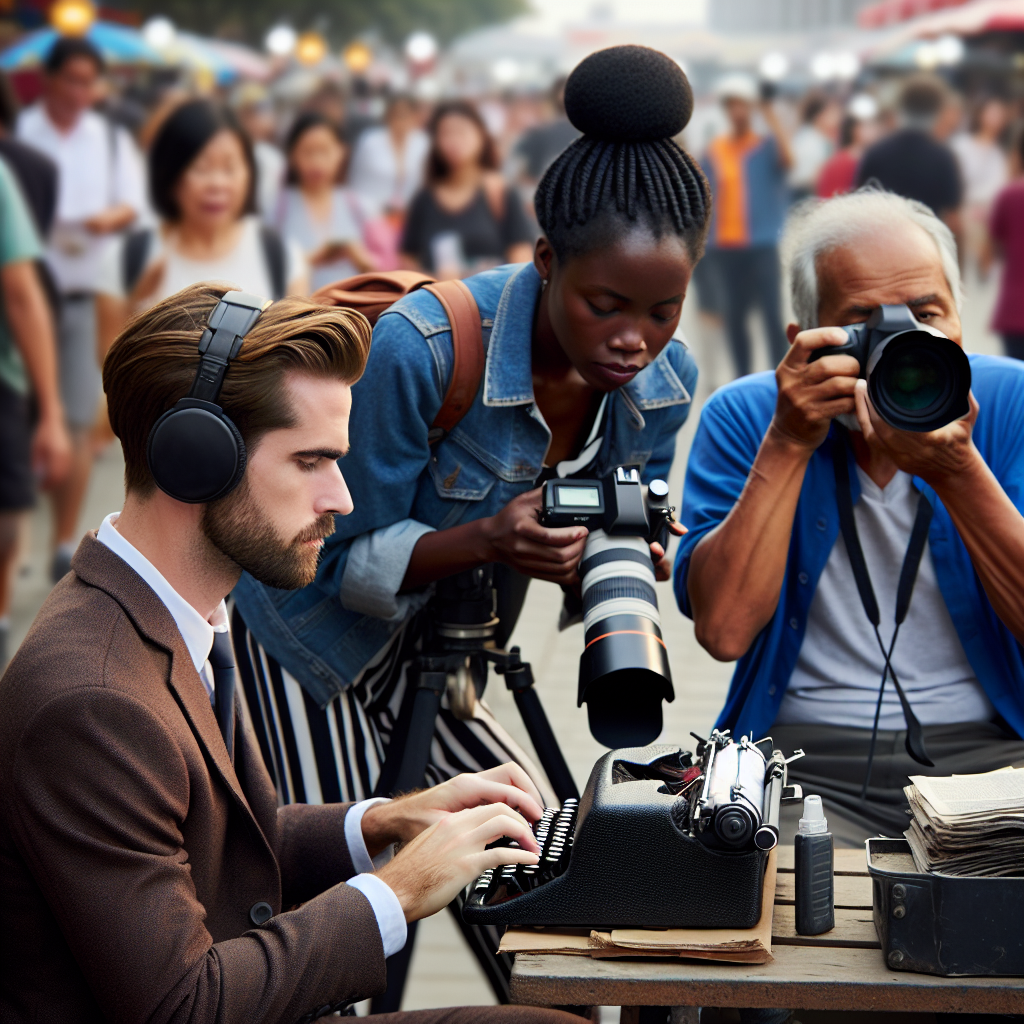
Journalists in Serbia are facing growing pressure over how they work and what they report as the country heads towards a crucial parliamentary election, UN experts have warned. Their concerns centre on interference in independent newsrooms, changes in media ownership and official criticism of outlets whose reporting gives voters access to perspectives beyond those of the authorities.
For reporters at the Nova.rs news portal, those concerns have taken a personal turn: they were reportedly given less than 48 hours to choose between working under new editorial leadership and leaving with severance. The experts said decisions affecting an entire newsroom deserve particular scrutiny so close to an election, when the public needs reliable reporting and a broad range of views to make informed choices.
A newsroom given less than 48 hours to decide
Journalists at Nova.rs described the offer as "pressure" on the newsroom and an attempt to "discipline" their reporting before the elections. The short deadline raised questions about their freedom to make that choice and what the changes could mean for independent coverage. "Independent journalism is essential to democratic elections," the experts said. "Voters must have access to diverse sources of information, and journalists must be able to report freely, without editorial interference."
The reported developments at Nova.rs follow management changes affecting N1, Nova, Danas and Radar in the context of Alpac Capital's acquisition of the wider media group. Media freedom organisations have warned that the transaction could threaten editorial independence and media pluralism. The concern reaches beyond who owns an outlet: it involves whether newsrooms can continue to make their own decisions about the stories they cover, the questions they ask and the people they hold to account.
The experts called for transparent ownership changes backed by adequate regulatory oversight and safeguards that protect editorial autonomy. They urged media owners to uphold newsroom independence and establish clear boundaries between business interests and editorial decisions.
Ministry's letter raises concerns about official pressure
The experts also questioned a public letter from Serbia's Ministry of Information and Telecommunications that criticised certain media outlets and called on N1 and Nova.rs to register in Serbia following the takeover. "Interventions by public authorities may be perceived as exerting undue influence on media organisations or their editorial policies," they warned.
Their concern places the ministry's intervention within a wider debate about the relationship between the state and independent journalism, particularly during an election campaign when official criticism can add to the pressure felt inside newsrooms.
"No media outlet should face political or other pressure because its reporting is critical of those in power," the experts said, calling on Serbia to safeguard journalists' freedom to report and the public's access to diverse viewpoints.
More than newsroom independence is at stake
The warnings come against a backdrop of restrictions on civic space and broader concerns about fundamental rights in Serbia. For more than a year, the experts have raised concerns about judicial independence and fundamental freedoms, concerns echoed in April by the UN High Commissioner for Human Rights.
They said freedom of expression, peaceful assembly and association are essential to free and fair elections, as well as public scrutiny of human rights and environmental harm connected to business activities. Pressure on journalists, civil society, human rights defenders and other critical voices risks weakening public debate and discouraging democratic participation.
The experts called on authorities to ensure that journalists, civil society groups, student movements and human rights defenders can take part in public life without intimidation or interference. From freedom of a newsroom to the choices available at the ballot box: voters need independent information, space to question those in power and the ability to hear competing views before deciding who should represent them.
"Free media and open civic space are cornerstones of democracy and credible elections," the experts said.


 Google News