

High Stakes: Trump and Prosecutors Deliver Final Arguments in Hush Money Trial
New York prosecutors and Donald Trump's lawyers make their closing arguments in the hush money trial over payments to Stormy Daniels. Trump faces 34 felony counts and denies wrongdoing. The trial impacts his bid to regain the presidency in 2024, while three other criminal cases loom.
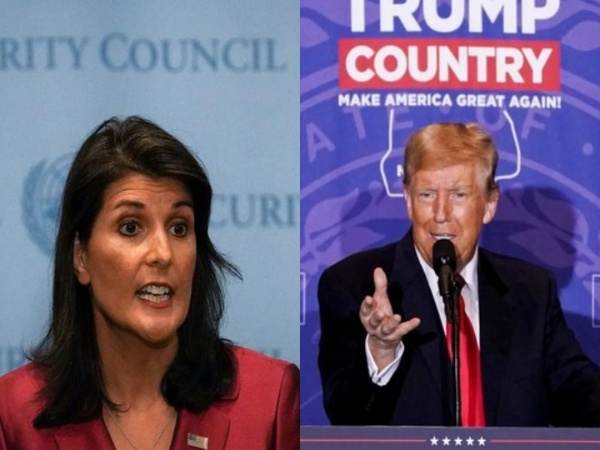
New York prosecutors and Donald Trump's lawyers make their closing arguments at his hush money trial on Tuesday in a final bid to influence the 12 jurors who decide whether he will become the first U.S. president to be convicted of a crime. After six weeks of trial, Trump's defense team will try to convince jurors he did not cover up evidence of a hush money payment to porn star Stormy Daniels before the 2016 presidential election.
Prosecutors will sum up the witnesses and evidence they have presented as they argue Trump, 77, illegally falsified business documents to cover up the payment that ensured Daniels would not go public with her story of a 2006 sexual encounter. Trump denies wrongdoing and says he never had sex with Daniels. Prosecutors have the burden of proving Trump is guilty "beyond a reasonable doubt," the level of certainty required by U.S. law. They will make their presentation after the defense, as is standard in New York criminal trials.
"Why can't the defense go last? Big advantage, very unfair," Trump said on social media early on Tuesday. Over the course of the trial, Trump's lawyers have tried to raise doubts about the credibility of prosecution witnesses, most notably Michael Cohen, who testified that as Trump's fixer he handled the payment to Daniels and that Trump approved the cover-up.
During cross-examination, Trump's lawyers got Cohen to discuss his felony convictions and imprisonment, his history of lying and his lingering animosity for his former boss. Cohen also admitted to stealing from Trump's company. If found guilty, Trump faces up to four years in prison, although imprisonment is unlikely for a first-time felon convicted of such a crime.
A conviction will not prevent Trump from trying to take back the White House from Democratic President Joe Biden as the Republican candidate in the Nov. 5 election, and it would not prevent him from taking office if he won. Opinion polls show the two candidates locked in a tight race. Trump faces 34 felony counts of falsifying business records, normally a misdemeanor under New York law.
Prosecutors in Manhattan District Attorney Alvin Bragg's office elevated those charges to felonies, saying Trump falsified those records to disguise what amounted to an illegal campaign contribution: the payment that bought Daniels' silence about the alleged 2006 sexual encounter at a time when Trump was already facing multiple accusations of sexual misconduct. Trump has pleaded not guilty and denies wrongdoing. His lawyers have implied that the $130,000 payment for Daniels' silence was intended to spare Trump's family from embarrassment, not to protect his White House bid. Prosecutors will cite testimony to argue otherwise.
Trump faces three other criminal prosecutions as well, but none is likely to go to trial before the election. Separate cases in Washington and Georgia accuse him of illegally trying to overturn his 2020 election defeat, while another case in Florida charges him with mishandling classified information after he left office in 2021.
Trump has pleaded not guilty in all of the cases and says they are an effort by Biden's Democratic allies to hobble his presidential bid.


 Google News