

Adhir Ranjan Chowdhury Questions PM Modi's Commitment to Swami Vivekananda's Ideals
West Bengal Congress President Adhir Ranjan Chowdhury questioned PM Narendra Modi's belief in Swami Vivekananda's ideals of unity and harmony. Chowdhury underscored Swami Vivekananda's teachings and raised concerns regarding the post-poll violence and the privatization of state milk cooperatives. He also discussed the performance and prospects of the Congress and CPI(M) alliance in the state elections.
- Country:
- India
West Bengal Congress President Adhir Ranjan Chowdhury on Monday questioned whether Prime Minister Narendra Modi adheres to the values of unity and harmony espoused by Swami Vivekananda.
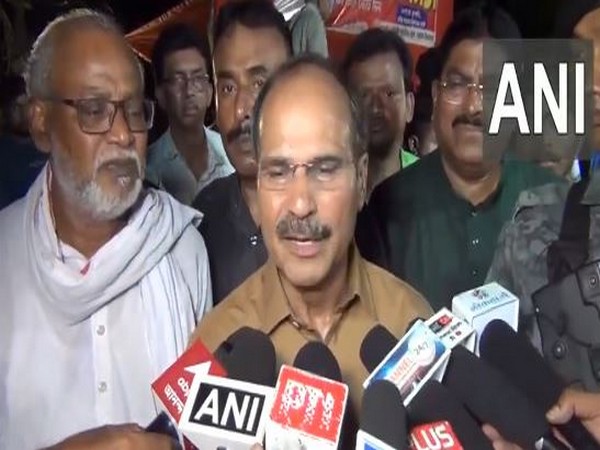
Two days after PM Modi completed a 45-hour meditation at the Vivekananda Rock Memorial in Kanyakumari, Chowdhury expressed his doubts during a press conference at his Berhampore constituency.
“Swamiji advised us to help each other and not fight; to assimilate and not destroy. I am unsure if Modi subscribes to these tenets,” Chowdhury remarked.
Addressing the upcoming state elections, Chowdhury was optimistic about the Congress and CPI(M) alliance, predicting a strong performance that could transform the political landscape into a triangular contest involving TMC, BJP, and Left-Congress.
He cited the alliance's promising prospects in districts such as Murshidabad, Malda Dakshin, Raiganj, Birbhum, and Purulia, and identified potential wins for the Left Front in Dumdum and Kolkata Dakshin.
Discussing national elections, Chowdhury referenced the Congress leadership's anticipation of securing 295 seats or more for the INDIA bloc, and he anticipated post-poll violence from TMC due to unmet expectations.
Chowdhury also touched on allegations of attacks on polling agents and post-poll violence, hinting at the involvement of the state administration.
Speculating on the share market's buoyancy post-exit polls, he suggested it was driven by speculative economic gains.
Finally, Chowdhury criticized the state government for privatizing state milk cooperatives, framing it as a move that favors corporate profits over public interests.


 Google News