

K P Sharma Oli Takes Oath as Nepal's 45th Prime Minister: Challenges Await
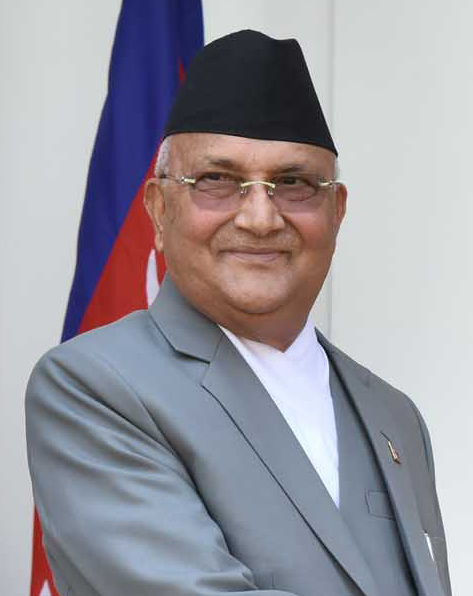
K P Sharma Oli has been sworn in as Nepal's Prime Minister for the fourth time, heading a coalition government. Facing political instability, Oli's primary tasks will include stabilizing the economy and fostering a cohesive government. However, his appointment has already faced legal challenges questioning its constitutionality.
- Country:
- Nepal
K P Sharma Oli was officially sworn in as Nepal's 45th Prime Minister on Monday, marking his fourth term in office. He now leads a coalition government amidst significant political instability.
President Ram Chandra Paudel appointed Oli to the position on Sunday, forming a coalition with the ruling Nepali Congress (NC) and other smaller parties. Oli succeeds Pushpa Kamal Dahal 'Prachanda,' who lost a vote of confidence in the House of Representatives last Friday.
Despite the ceremony facing a half-hour delay due to unresolved issues within the Nepali Congress over ministerial appointments, Oli was sworn in along with two Deputy Prime Ministers – Prakash Man Singh and Bishnu Paudel – and 19 other ministers. The President also administered oaths to these officials.
The new cabinet notably lacks Dalit representatives and has only two women. Soon after the swearing-in, Oli paid tribute to martyrs at Sahid Smarak and visited the UML’s central office to honor veteran Communist leaders.
However, just hours into his new role, three legal advocates filed a writ petition in the Supreme Court of Nepal challenging Oli's appointment as unconstitutional. The court has scheduled a preliminary hearing for July 21. The legal contention revolves around Articles 76 (2) and 76 (3) of the Nepal Constitution regarding coalition government formations.
Oli, who has secured the support of 165 House of Representatives members, must now obtain a vote of confidence from Parliament within 30 days. His coalition deal with NC President Sher Bahadur Deuba outlines a rotational leadership until the next general elections in 2027, reflecting Nepal's frequent political instability with 14 governments in the past 16 years.
The immediate focus for Oli's administration, as highlighted by The Kathmandu Post, is to invigorate Nepal's stagnant economy while maintaining a fragile coalition. The newspaper editorial advised Oli to mitigate his authoritarian tendencies and collaborate extensively with coalition partners and opposition parties to avoid past pitfalls of governmental instability.


 Google News