

Diplomatic Tensions Escalate Over South Africa's Land Policy
U.S. Secretary of State Marco Rubio will skip the G20 meeting in South Africa amid President Trump's threats to cut aid over alleged land confiscations. South African President Cyril Ramaphosa defends their policies as non-discriminatory and aimed at fair land redistribution. Land ownership remains contentious due to apartheid history.
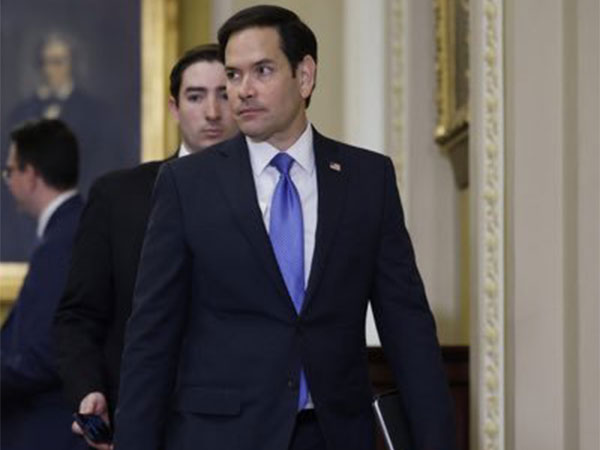
The U.S. Secretary of State, Marco Rubio, has announced that he will not be attending the G20 meeting in South Africa. This decision comes just days after President Donald Trump threatened to cease financial support to the African country, citing concerns about alleged land confiscation. The G20 foreign ministers will gather in Johannesburg on February 20-21, with South Africa presiding over the group from December 2024 to November 2025.
President Trump, without providing evidence, accused South Africa of 'confiscating land' and mistreating certain groups. In response, South African President Cyril Ramaphosa assured that their land policy aims to ensure fair public access, denying any illicit land seizures.
Land rights remain a sensitive issue in South Africa, rooted in colonial and apartheid legacies. A recent law permits land expropriation 'in the public interest,' a move partly aimed at addressing historical injustices, as nearly three-quarters of the farmland remains in the hands of white landowners. The Trump administration's stance against diversity, equity, and inclusion programs further fuels the debate.
ALSO READ
-
Hidden Costs, Lost Trust: Why Cross-Border Payments Need a Transparency Reset Now
-
AfDB selects four green hydrogen projects of $20 million grants in Africa
-
Following Money: South Africa’s Trade Gaps Point to Possible Illicit Flows
-
Crackdown on Cuban Nickel: US Sanctions Target Elite Enrichment
-
Bridging Diplomacy: Wang Yi's Call with Marco Rubio Amidst US-China Tensions


 Google News