

Friedrich Merz: A Power Play Amid Germany's Political Transition
Friedrich Merz's conservatives won Germany's national election, prompting him to press the outgoing SPD government to cooperate closely. His demands and style have sparked criticism and raised challenges in forming a coalition. Supporters see him as a strong leader in addressing economic and security issues, albeit with possible authoritarian traits.
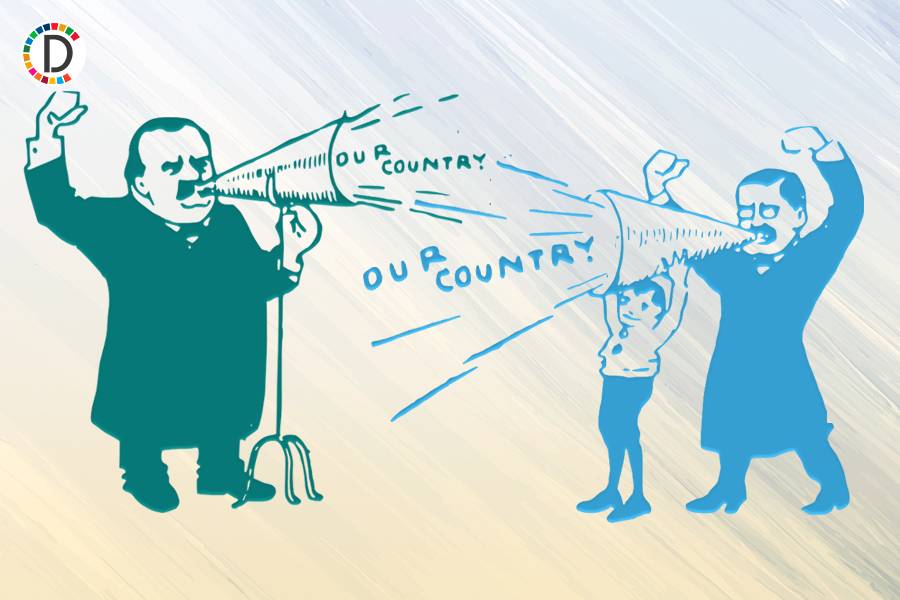
Hours after winning Germany's national election, Friedrich Merz and his conservative party issued a memorandum to the outgoing Social Democrat government, suggesting significant cooperation during the transition. Caretaker Chancellor Olaf Scholz was ordered to consult Merz's team before any major decisions, prompting headlines accusing conservatives of trying to control Scholz.
While transition cooperation is customary in Germany, Merz's approach has been unusual and divisive. Critics worry his abrasive style might hinder coalition formation, as the conservatives seek partners to secure a parliamentary majority. Merz is viewed by some as a needed force to tackle economic challenges, but others are concerned about authoritarian tendencies.
Amidst evolving alliances and internal criticism, Merz's memorandum and subsequent demands have strained ties with potential partners like the SPD. Opposition voices cite his unpredictability, noting his recent backtracks on several policy positions. The current government remains cautious in its engagement with Merz and critiques his assertive push for immediate power.


 Google News