

The Lukashenko Concession: A Cautious U.S. Approach
Belarus released U.S. prisoner Youras Ziankovich as a diplomatic gesture. Exiled opposition leader Sviatlana Tsikhanouskaya warns against trusting Lukashenko, linked to Russia, without more political prisoners' release. Diplomatic relations and Belarus' human rights record remain contentious.
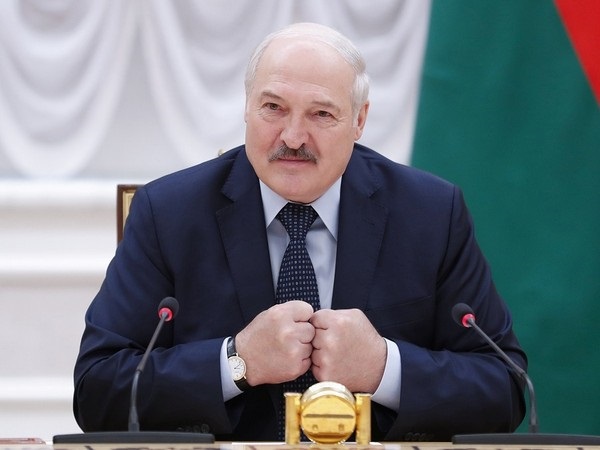
In a move seen as both diplomatic and strategic, Belarusian President Alexander Lukashenko released American citizen Youras Ziankovich ahead of opposition leader Sviatlana Tsikhanouskaya's visit to Washington. While the release has sparked dialogue, experts urge caution, questioning Belarus' motives and stressing the need for broader political reforms.
Despite Ziankovich's newfound freedom, Tsikhanouskaya, who decries Lukashenko's long-standing rule and the alleged election fraud, emphasizes that over 1,200 political prisoners remain behind bars. Her Washington visit aims to bolster U.S. support for democratic efforts in Belarus, highlighting the ongoing human rights struggle.
Amidst these developments, analysts debate the impact on U.S.-Belarus relations. Ivan Kravtsov speculates on potential diplomatic overtures, while Dmitry Bolkunets notes Lukashenko's limited autonomy due to Russian influence. Observers warn the U.S. not to rush into concessions without concrete reform.


 Google News