

Petro Ignites Labour Reform Debate with Voter Referendum
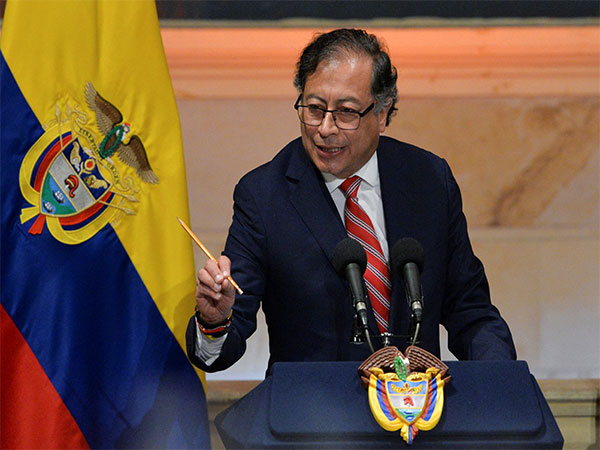
Colombian President Gustavo Petro circumvented legislative resistance by signing a decree for a voter referendum on labour laws, sparking controversy amid a politically volatile climate. The move follows the shooting of an opposition senator and unresolved tensions between Petro and Congress, which twice rejected his labour reform proposal this year.
- Country:
- Colombia
In a bold political maneuver, Colombian President Gustavo Petro bypassed legislative blockers to sign a decree mandating a voter referendum on reforming the country's labour laws. This surprising decision comes amid escalating tensions following a violent attack on an opposition figure.
The decree has Petro clashing with Congress after they twice rejected his labour reform efforts. The referendum, set to tackle issues such as working hours and holiday pay, represents a pivotal step in Petro's political agenda as he contends with a deeply divided legislative environment.
Meanwhile, the shooting of opposition senator Miguel Uribe Turbay has added a layer of urgency to the unfolding drama, with Petro's Labor Ministry now moving to submit the decree for Constitutional Court review, while authorities investigate the motives behind the assassination attempt.
ALSO READ
-
Colombia’s Former Enemies Join Search for Disappeared as UN Praises Victim Justice
-
Colombia's IMF Gamble: Can Fiscal Reform Restore Confidence Without Sacrificing Economic Growth?
-
Colombia Gets €15 Million Boost to Build Vaccine Capacity and Cut Import Dependence
-
Colombia Secures $200M World Bank Boost for Earthquake Recovery and Rebuilding
-
Colombia’s Tougher Drug Crackdown Could Deepen Racism Against Afro-Colombians


 Google News