

Trump's High-Stakes Gamble: U.S. Military Strike on Iran
In a groundbreaking decision, U.S. President Donald Trump authorized military strikes on Iran's nuclear facilities, marking a significant shift in foreign policy. The attack, conducted in collaboration with Israel, could escalate tensions, potentially leading to retaliation from Tehran and impacting global oil markets and regional stability.
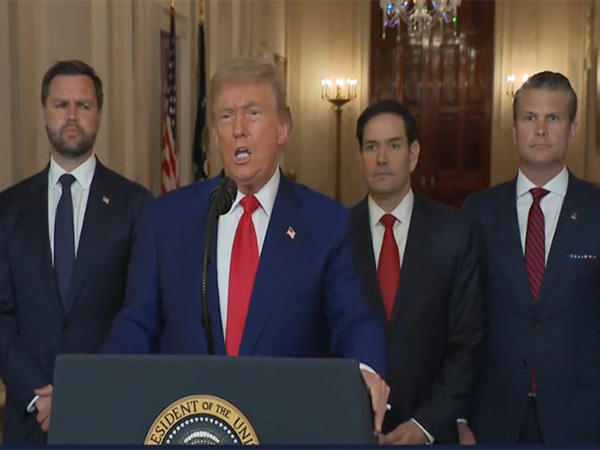
U.S. President Donald Trump's decision to launch military strikes on Iran’s fortified nuclear sites represents a dramatic shift in U.S. foreign policy. The operation, conducted alongside Israeli air attacks, marks Trump's biggest foreign policy gamble, carrying risks of escalating into a prolonged conflict in the Middle East.
Analysts warn that Tehran's potential retaliatory measures could destabilize the region further, by closing the strategic Strait of Hormuz or ramping up missile attacks. Despite Trump's bid for peace, Iran shows little inclination to concede, raising concerns about a new chapter in the long-standing US-Iran conflict.
While Trump touts the operation's success, experts caution that military strikes might inadvertently strengthen Iran's resolve to pursue nuclear ambitions. Trump's intervention raises questions about unintended consequences, potentially drawing him into broader engagements contrary to his initial campaign promises.
ALSO READ
-
Poverty in the Line of Fire: UN Experts Demand Iran End Border Courier Killings
-
Iran’s Civilians Trapped Between State Repression and Deadly Strikes, UN Warns
-
Lee Jae Myung's Diplomatic Milestones: Balancing Amidst Global Tensions
-
Diplomatic Moves: Takaichi's UN Meeting with Trump
-
Trade War Chessboard: Agriculture, Energy, and Rare Earths in Focus


 Google News