

Japan's New Premier and the Central Bank: A Delicate Balancing Act
Sanae Takaichi’s impending leadership as Japan's premier raises concerns over political interference in monetary policy. While she aims to assert government influence over the central bank, issues like inflation, a weak yen, and political challenges may limit her sway. The tension may impact market stability and central bank independence.
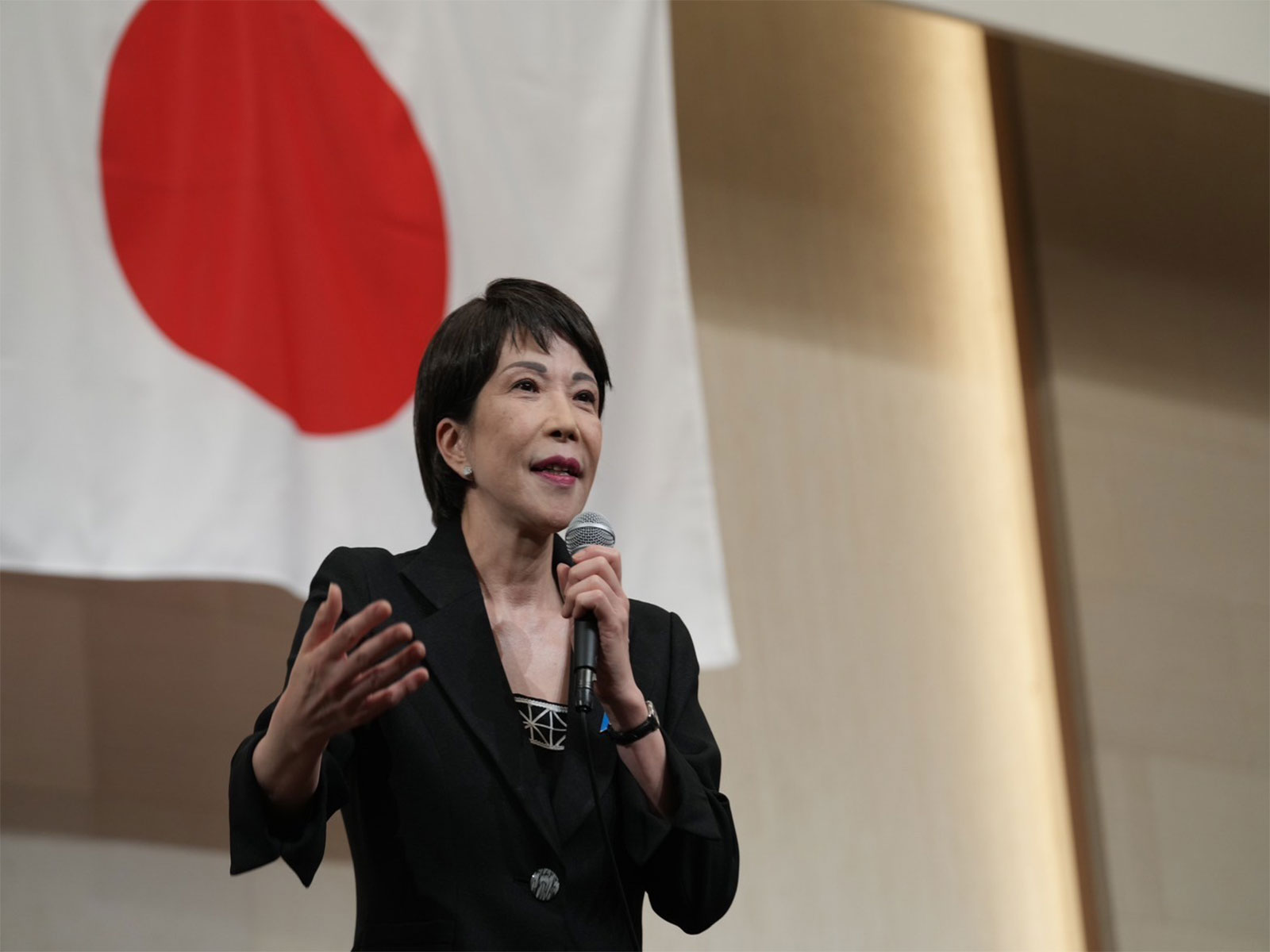
Sanae Takaichi, set to become Japan's new prime minister, has sparked concerns over potential political interference in central bank autonomy by declaring her willingness to influence monetary policy. This push to assert government control over the Bank of Japan (BOJ) mirrors former prime minister Shinzo Abe's economic strategies.
Analysts warn that Takaichi's leadership could pose the biggest challenge to BOJ Governor Kazuo Ueda, who may have to defend the bank's independence amid looming threats of inflation and yen depreciation. Despite these challenges, seasoned lawmakers and internal political dynamics within her party may temper Takaichi’s proposed assertive monetary stance.
Takaichi faces the dual challenge of managing political expectations and navigating Japan's evolving economic landscape. Her potential influence over the BOJ could stir market volatility, particularly if she opts for delayed interest rate hikes. Observers caution that a further decline in yen value could exacerbate inflation, complicating her premiership from the outset.
ALSO READ
-
Japanese Lawmakers Visit India to See Worker Protection and Skills Projects in Action
-
Japan-Backed ILO Projects Help 23,000 Workers Gain Rights and Fight Child Labour
-
Venezuelan Central Bank's Gold Transfer Nears Completion
-
Barclays Alters BoE Rate Forecast Amid Inflation Concerns
-
Russia Challenges EU Sanctions in Battle Over Frozen Assets


 Google News