

Redistricting Wars: A New Era of Gerrymandering in U.S. Politics
The U.S. Supreme Court's recent decision allows more aggressive gerrymandering, reducing competitive districts ahead of midterm elections. Experts warn that partisan redistricting could further polarize Congress, diminishing voters' influence. With advanced technology and political pressure, the landscape of American democracy is changing, marking an unprecedented era in political mapping.
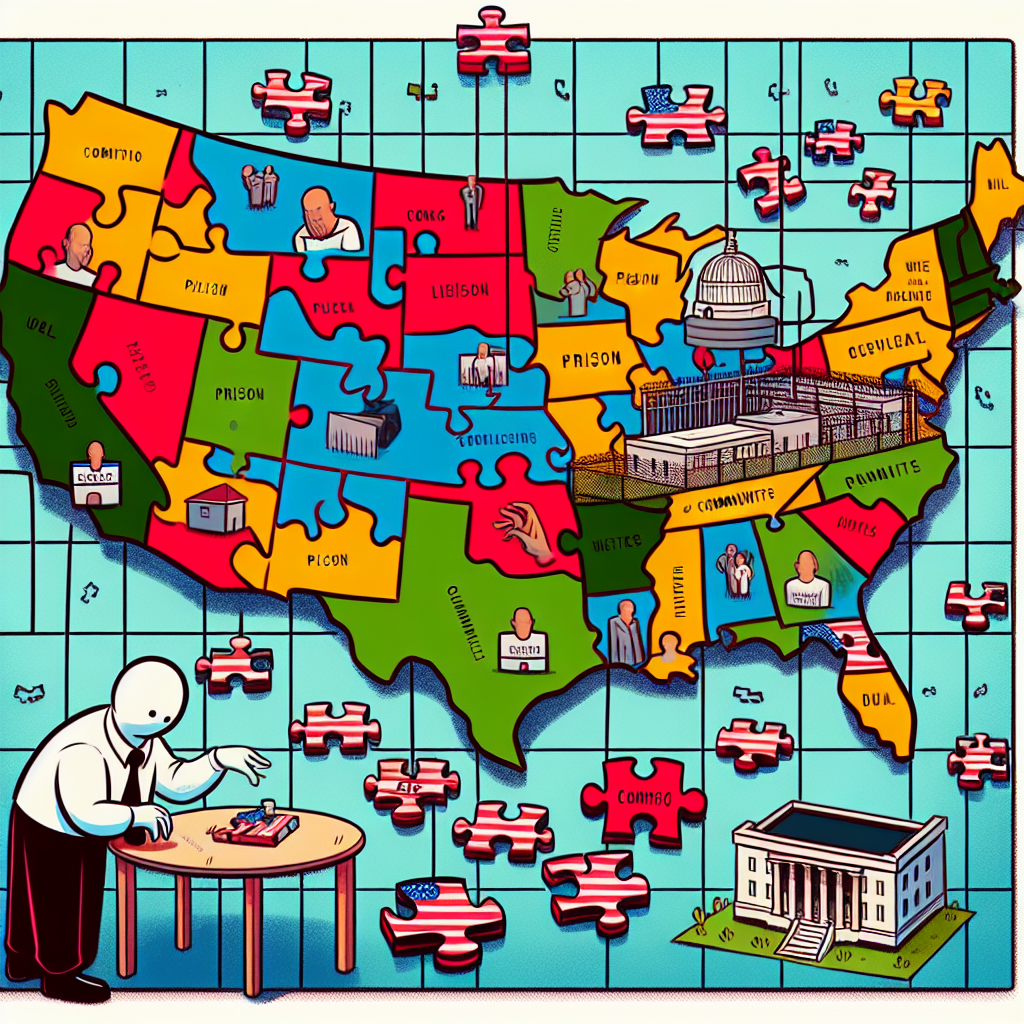
The U.S. Supreme Court's recent decision has paved the way for more aggressive gerrymandering, raising concerns about the democratic process ahead of the midterm elections this fall. Experts warn that this move could significantly reduce the number of competitive districts and further polarize Congress.
A Reuters analysis reveals that only 32 out of 435 seats in the House are deemed competitive, with the remaining districts entrenched in partisan lines. This lack of competition is attributed to political polarization and the strategic manipulation of district boundaries, known as gerrymandering, which has escalated since President Trump encouraged Republicans to redraw political maps.
The implications of this are stark: as parties draw districts to secure victories, voters' influence diminishes. The Supreme Court's ruling is expected to accelerate these tactics, particularly in Republican-led states targeting Democratic-held districts with significant minority populations. As political lines become more rigid, the chances for bipartisan collaboration in Congress may dwindle.


 Google News