

Hungary's government moves to abolish Orban-era Sovereignty Protection Office
In these studies, the office often accused opposition figures, journalists, NGOs, academics and others of serving "foreign interests." Such publications were frequently promoted by media outlets supportive of Orban's administration. The SPO stopped releasing these studies after April 10, just days before Orban's Fidesz party lost parliamentary elections after a 16-year rule to the centre-right Tisza party, led by Prime Minister Peter Magyar.
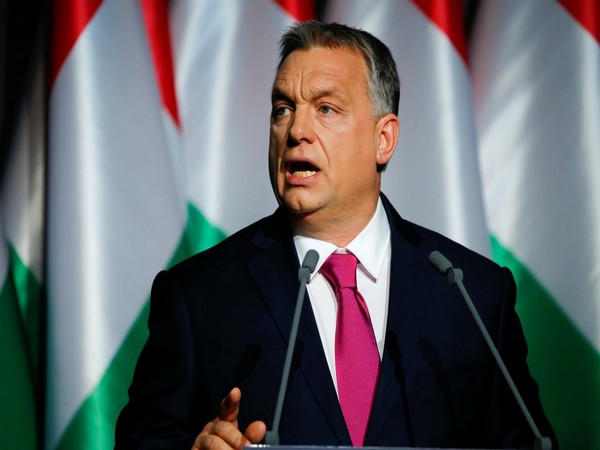
Hungary's governing Tisza party has submitted a bill to parliament to abolish an organisation set up by former Prime Minister Viktor Orban's government that stigmatized opposition figures and journalists for serving "foreign interests." The SPO was created in 2023 to monitor risks of what Orban's then-governing Fidesz party described as "undue political interference" by foreign entities. However, critics said it was a tool to suppress dissent, and the European Commission launched an infringement procedure targeting the law behind the agency's creation. "The Sovereignty Protection Office performs no actual public duty, and its creation served purely political intent and interest," said the bill, which was submitted to parliament late on Tuesday and was published on the parliament's website.
"The real purpose of the Sovereignty Protection Office was to exert pressure for political purposes on citizens, certain organisations, and media outlets," it added. The SPO did not immediately reply to emailed questions from Reuters.
During its tenure, the SPO's primary activities included publishing studies echoing Orban's stance on issues such as Ukraine, migration, and relations with the European Union. In these studies, the office often accused opposition figures, journalists, NGOs, academics and others of serving "foreign interests." Such publications were frequently promoted by media outlets supportive of Orban's administration.
The SPO stopped releasing these studies after April 10, just days before Orban's Fidesz party lost parliamentary elections after a 16-year rule to the centre-right Tisza party, led by Prime Minister Peter Magyar. A proposal last year by the Orban government aimed to empower the SPO with powers to compile a list of organizations receiving foreign funding, potentially restricting or shutting down their operations. Critics likened this to Russia's 2012 "foreign agents law," which prompted mass protests, leading to the bill's eventual withdrawal.


 Google News