

SAFE staff to march with School Strike 4 Climate NZ
Organizers of the third School Strike 4 Climate have made today’s protests a "general strike," mobilizing Kiwis of all ages across New Zealand to strike in solidarity with the country’s school students.
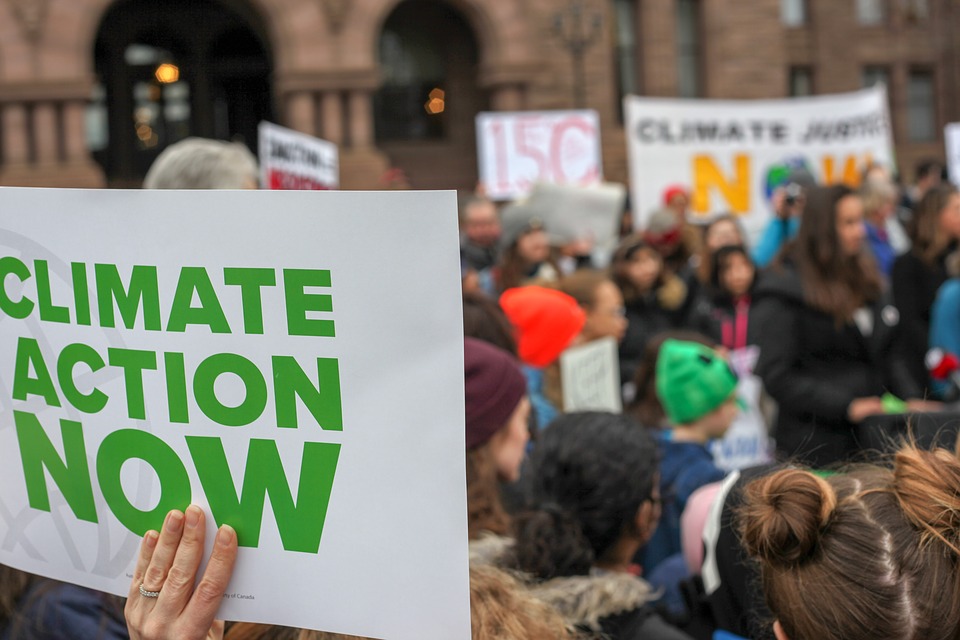
- Country:
- New Zealand
Staff from animal rights organization SAFE are going on strike today and will be marching with School Strike 4 Climate NZ in Auckland, Wellington, and Christchurch.
Organizers of the third School Strike 4 Climate have made today's protests a "general strike," mobilizing Kiwis of all ages across New Zealand to strike in solidarity with the country's school students. The School Strike 4 Climate movement was inspired by Swedish 16-year-old Greta Thunberg, who for the past year has staged weekly demonstrations under the banner "FridaysForFuture."
SAFE Campaigns Manager Marianne Macdonald says the strike is especially important to SAFE because the farming of animals and the treatment of the planet are closely interconnected.
"Students are striking because their future is at stake, so we're making a stand with them to demand action on climate change," says Ms. Macdonald.
"In New Zealand, half of our greenhouse gas emissions result from animal agriculture. Billions of animals are farmed globally every year, the majority in cruel factory farms. Not only does this cause immense suffering for the animals, but it is also destructive of our planet."
"The methane belched out by over seven million cows in New Zealand is a key pollutant causing the warming of our atmosphere. We need greenhouse gas emissions to be reduced to net zero."
In July the Interim Climate Change Committee proposed introducing the agricultural sector to the Emissions Trading Scheme (ETS) by 2025. One of the proposed options would mean that 95 percent of agriculture emissions would be exempt.
"Emissions pricing has been identified by both the Government and the agriculture industry as an important means to limit agriculture emissions. However, our Government currently can't agree on a proposed five percent levy on agriculture under the Emissions Trading Scheme."
"Responding to the climate emergency requires transformational change. If this country's response to climate change is going to be more than just hot air from our leaders, we need to transition away from animal agriculture to plant-based food production."


 Google News