

Science News Roundup: Brazilian viper venom may become tool in fight against coronavirus, study shows; Russian cosmonauts find new cracks in ISS module
Following is a summary of current science news briefs. Brazilian viper venom may become tool in fight against coronavirus, study shows Brazilian researchers have found that a molecule in the venom of a type of snake inhibited coronavirus reproduction in monkey cells, a possible first step toward a drug to combat the virus causing COVID-19.
Following is a summary of current science news briefs.
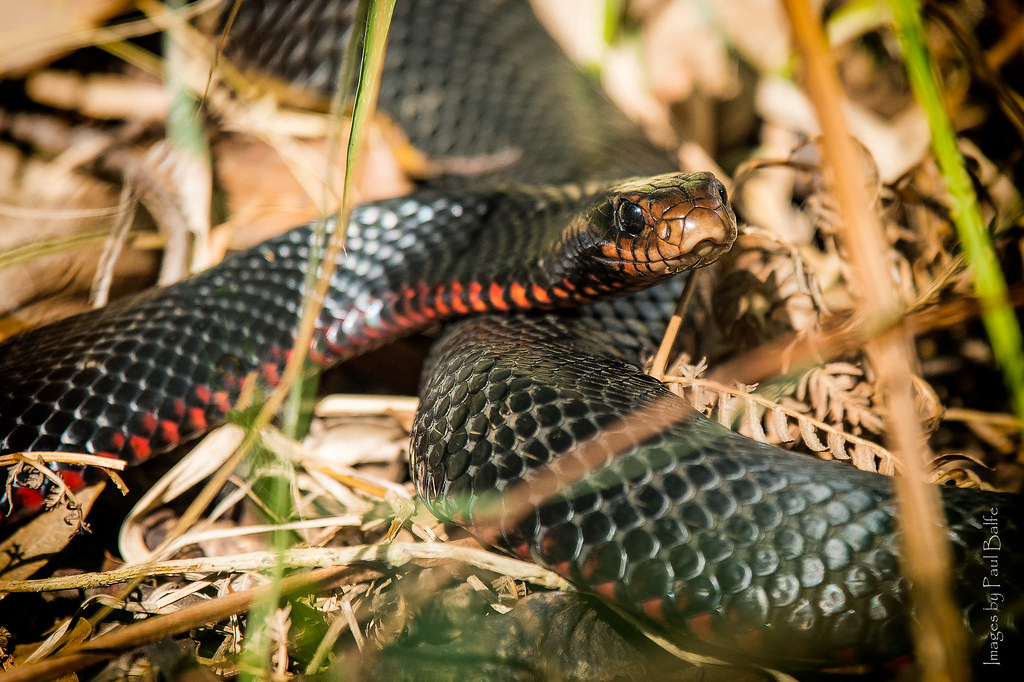
Brazilian viper venom may become tool in fight against coronavirus, study shows
Brazilian researchers have found that a molecule in the venom of a type of snake inhibited coronavirus reproduction in monkey cells, a possible first step toward a drug to combat the virus causing COVID-19. A study published in the scientific journal Molecules this month found that the molecule produced by the jararacussu pit viper inhibited the virus's ability to multiply in monkey cells by 75%.
Russian cosmonauts find new cracks in ISS module
Russian cosmonauts have discovered new cracks in a segment of the International Space Station that could widen, a senior space official said on Monday, the latest in a series of setbacks. "Superficial fissures have been found in some places on the Zarya module," Vladimir Solovyov, chief engineer of rocket and space corporation Energia, told RIA news agency. "This is bad and suggests that the fissures will begin to spread over time."


 Google News