

Science News Roundup: Cambodia bat researchers on mission to track origin of COVID-19; NASA splits human spaceflight unit in two, reflecting new orbital economy and more
Two samples from horseshoe bats were collected in 2010 in Stung Treng province near Laos and kept in freezers at the Institut Pasteur du Cambodge (IPC) in Phnom Penh. NASA splits human spaceflight unit in two, reflecting new orbital economy NASA is splitting its human spaceflight department into two separate bodies - one centered on big, future-oriented missions to the moon and Mars, the other on the International Space Station and other operations closer to Earth.
Following is a summary of current science news briefs.
Cambodia bat researchers on mission to track origin of COVID-19
Researchers are collecting samples from bats in northern Cambodia in a bid to understand the coronavirus pandemic, returning to a region where a very similar virus was found in the animals a decade ago. Two samples from horseshoe bats were collected in 2010 in Stung Treng province near Laos and kept in freezers at the Institut Pasteur du Cambodge (IPC) in Phnom Penh.
NASA splits human spaceflight unit in two, reflecting new orbital economy
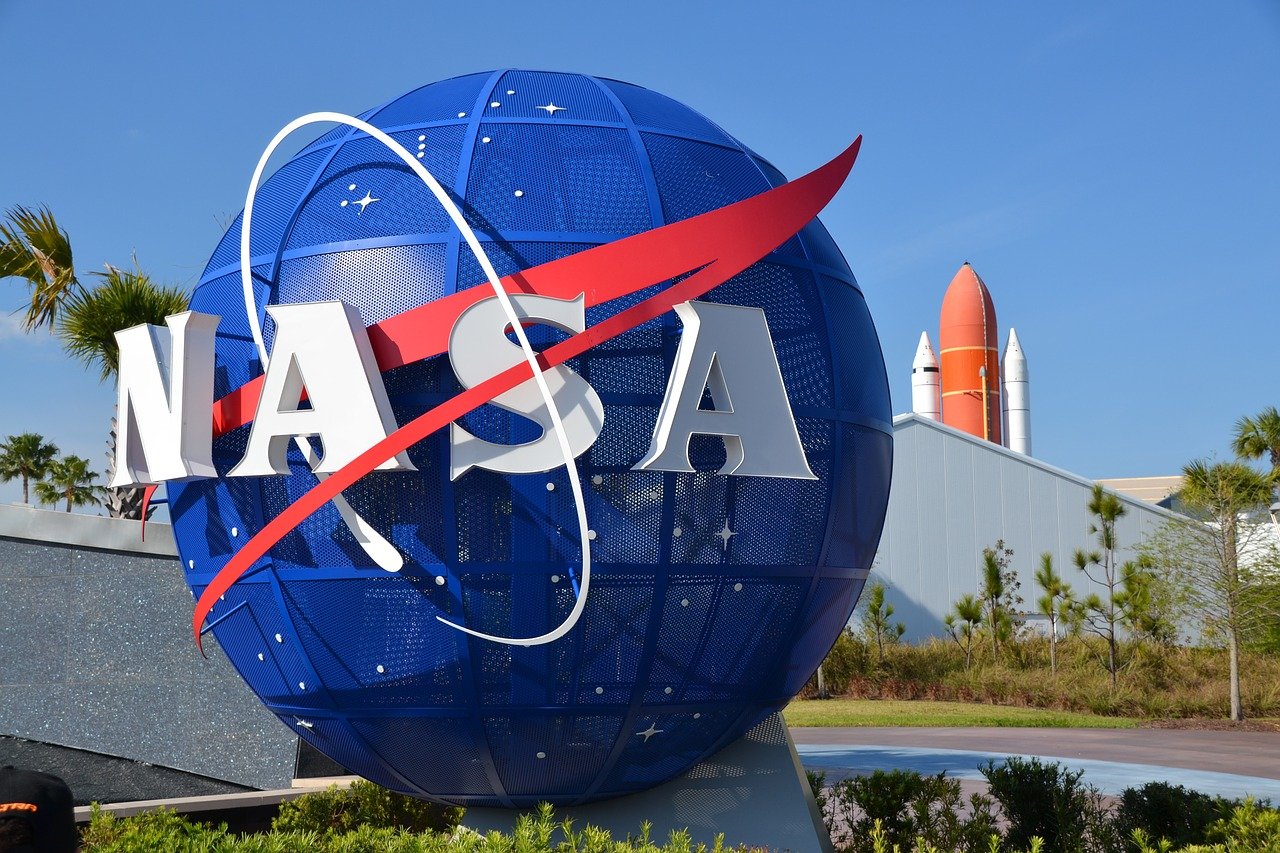
NASA is splitting its human spaceflight department into two separate bodies - one centered on big, future-oriented missions to the moon and Mars, the other on the International Space Station, and other operations closer to Earth. The reorganization, announced by NASA chief Bill Nelson on Tuesday, reflects an evolving relationship between private companies, such as SpaceX, that have increasingly commercialized rocket travel and the federal agency that had exercised a U.S. monopoly over spaceflight for decades.
Scientists in Singapore transform fruit leftovers into antibacterial bandages
Scientists at Nanyang Technological University (NTU) in Singapore are tackling food waste by turning discarded durian husks into antibacterial gel bandages. The process extracts cellulose powder from the fruit's husks after they are sliced and freeze-dried, then mixes it with glycerol. This mixture becomes soft hydrogel, which is then cut into bandage strips.
Tianzhou-3 cargo spacecraft docks with China space station module
A Chinese robotic resupply cargo spacecraft successfully docked with an orbiting space station module on Monday in the fourth of 11 missions needed to finish building China's first permanent space station by the end of next year. A Long March-7 rocket carrying the Tianzhou-3, or "Heavenly Vessel" in Chinese, blasted off at 3:10 p.m. Beijing time (0710 GMT) from the Wenchang Space Launch Center on the southern island of Hainan, state media reported.
Buckle up: Cambodian students build manned drone to aid community
Inspired at first by a desire to beat their city's notorious traffic, a group of Cambodian students has designed a prototype drone that they hope can eventually be used to ferry people around Phnom Penh and even help fight fires. With eight propellers and using a school chair for the pilot's seat, the drone was developed by students at the National Polytechnic Institute of Cambodia (NPIC) on the outskirts of the capital.


 Google News